1.5°C threshold: Year-round toll of record ocean warming revealed
A landmark KAUST study has catalogued more than 200 marine ecosystem impacts during the first year global temperatures exceeded 1.5°C, revealing year-round ecological disruption that current monitoring systems are failing to capture.
A landmark new study has documented more than 200 marine ecosystem impact events during the first year global temperatures temporarily exceeded 1.5°C above pre-industrial levels – revealing disruption that is broader and more persistent than existing monitoring systems were designed to detect.
The study, published in One Earth and led by researchers at King Abdullah University of Science and Technology, catalogued 201 ecological impact events spanning coral bleaching, harmful algal blooms, species mortality, habitat disruption and fisheries impacts.
Data was drawn from scientific literature, government agencies, environmental monitoring programmes and observations compiled across 17 languages.
“This study provides a real-world snapshot of how marine ecosystems responded during an exceptional period of ocean warmth,” said Dr Shannon Klein, lead author and Research Scientist at KAUST. “One of the clearest findings was that impacts were not confined to traditional summer heat extremes. We found evidence of ecological disruption across seasons, which suggests that understanding and responding to ocean warming requires year-round monitoring and assessment.”
That finding challenges a central assumption in marine monitoring – that ecological risk is concentrated in summer months when sea surface temperatures peak. The study found widespread disruption throughout the year, suggesting that monitoring systems calibrated around seasonal extremes may be missing significant events occurring between them.

In other news
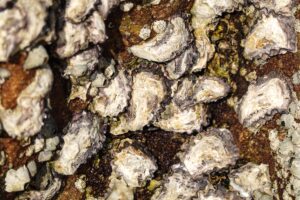
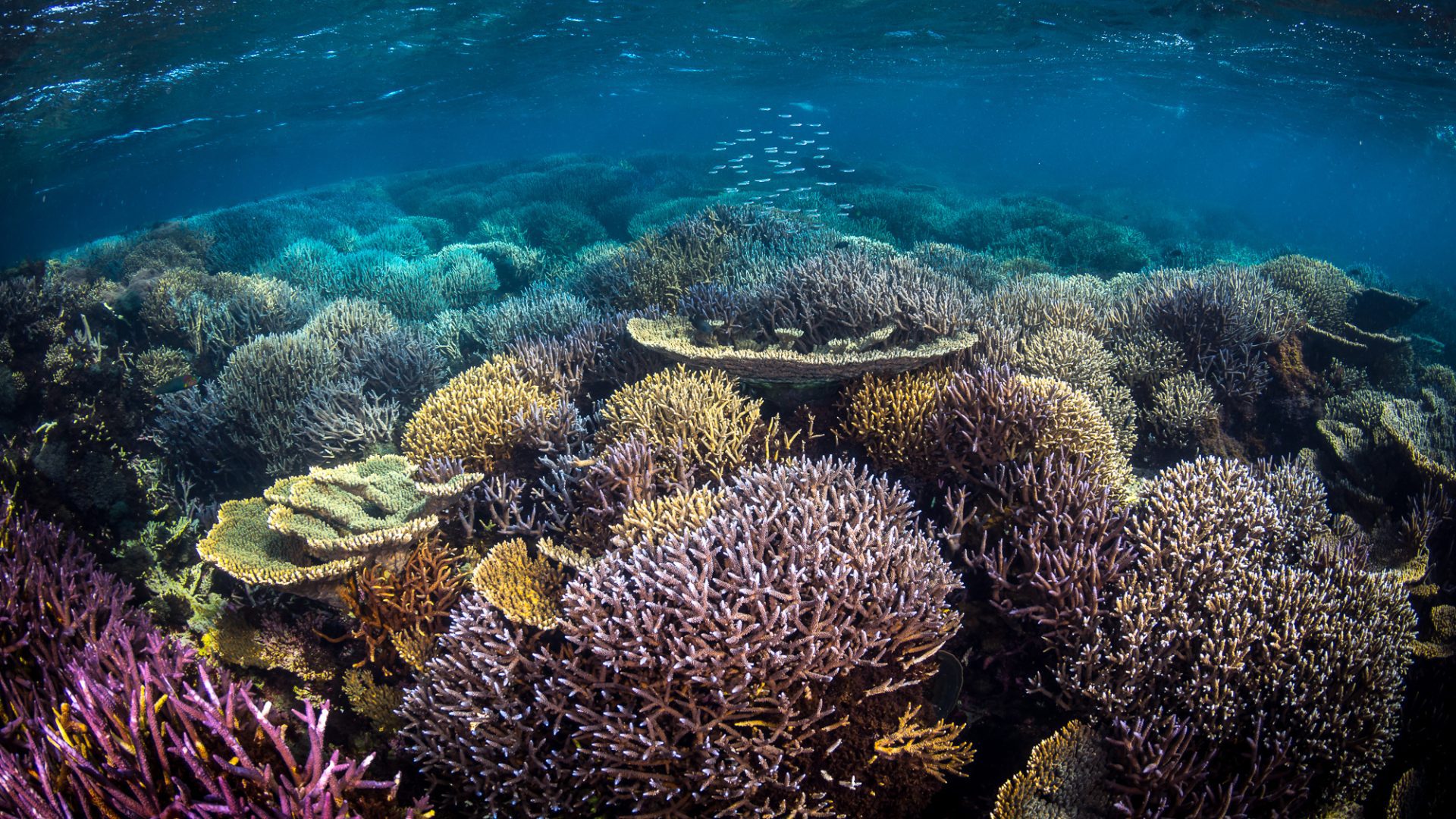
Ninety-eight percent of documented ecological impacts were associated with unusually warm sea temperatures, and more than half of all reported events involved mass mortality affecting marine species and ecosystems. The study also identified other drivers including major storms and extreme weather events, pointing to the role of multiple compounding pressures in shaping marine ecosystem health.
“Marine ecosystems are influenced by a combination of factors, including ocean warming and extreme weather events,” said Carlos Duarte, Distinguished Professor of Marine Science at KAUST and senior author.
“Studies such as this help us understand those interactions at a global scale while providing knowledge that can support monitoring, conservation, and resilience efforts in regions such as the Red Sea.”
The researchers stress the study was designed as a rapid assessment requiring future validation, but hope the findings will inform monitoring systems, preparedness planning and marine conservation efforts as ocean temperatures continue to break records globally.


"*" indicates required fields
Printed editions
Current issue
Back issues
Enjoy so much more from Oceanographic Magazine by becoming a subscriber.
A range of subscription options are available.