As seaweed slips the net, can farmers help save the ocean?
New research reveals seaweed habitats are largely unprotected despite their role in carbon capture and marine biodiversity. Scientists suggest partnering with local seaweed farmers to conserve wild stocks, enhance genetic diversity, and safeguard ecosystems and livelihoods.

Some of the ocean’s most vital habitats are slipping through the cracks of local and global protection efforts, including seaweeds that rarely benefit from direct action to protect them.
A new study led by scientists at the Natural History Museum reveals that, despite their critical role in capturing carbon and providing shelter for marine wildlife, seaweeds are rarely the primary focus of conservation plans. While seagrass meadows and coral reefs have long been recognised as endangered ecosystems, seaweed habitats are facing similar threats from rising temperatures and disease – but action has lagged behind.
The research points to an unexpected solution – the people who work with seaweed. Globally, millions are involved in cultivating and harvesting the algae, creating a potential army of local conservationists.
“Roughly half of the global seaweed industry is located within a kilometre of marine protected areas,” said Professor Juliet Brodie, co-author of the study published in Applied Phycology. “By working directly with local seaweed farmers, we can safeguard both their livelihoods and these essential habitats.”
Brodie has emphasised that collaboration can take many forms:, including knowledge exchange, community science programmes, and integrating conservation into existing farming practices. Early trials in Malaysia, for example, have successfully grown wild seaweed stocks in nursery farms, producing cultivars that are more resilient to pests and climate events like El Niño.
In other news

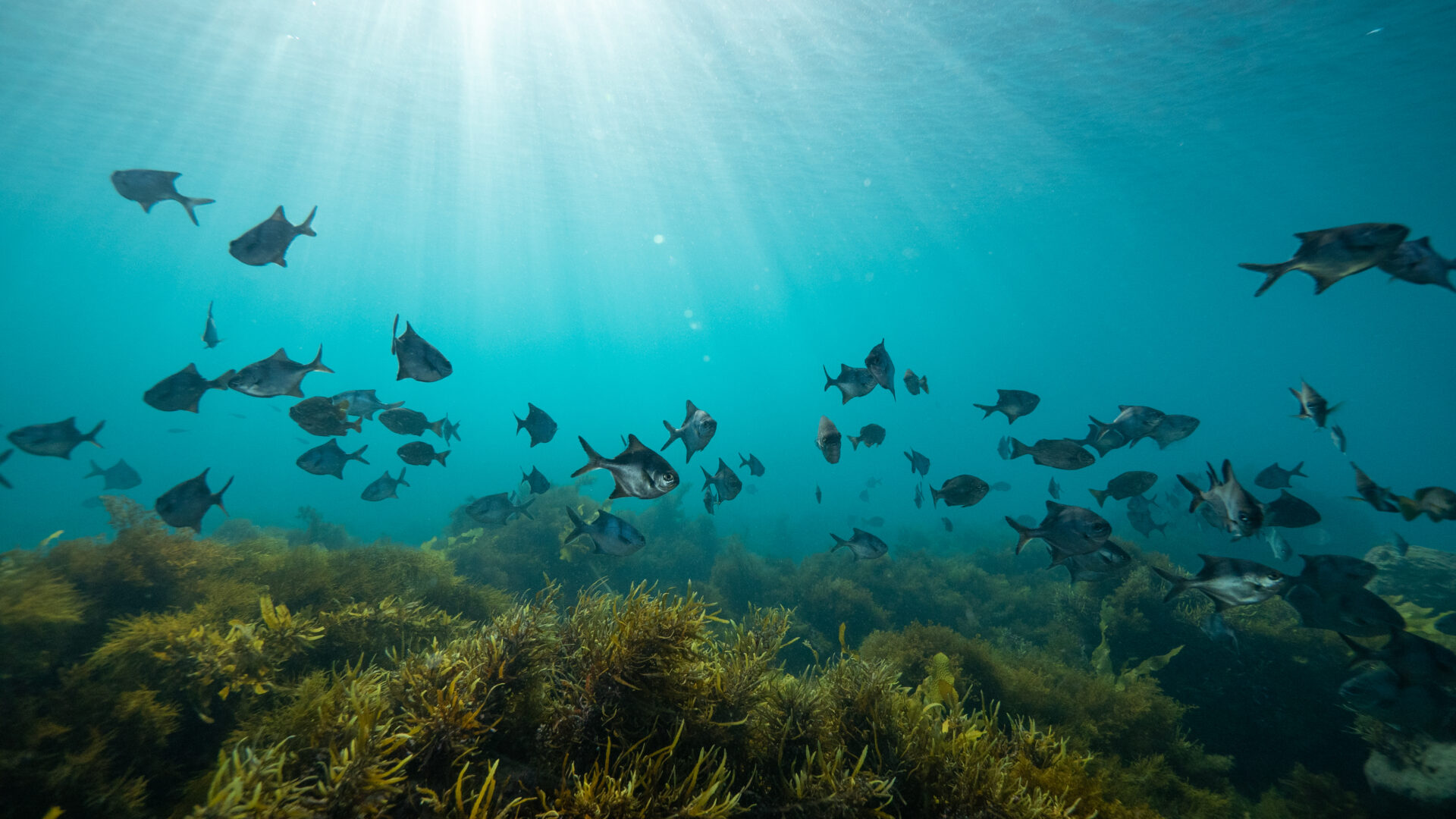
The stakes are high. The seaweed industry is booming, projected to be worth around £19 billion by 2028, with most production used for food – everything from sushi nori to carrageenan additives – and a smaller share for biofuels, fertilisers, and medicines. Yet only a tiny fraction of seaweed diversity is used commercially, leaving wild populations under pressure.
Commercial species like eucheumatoids, used for carrageenan, have shown declining production since a peak in 2015, likely due to low genetic diversity. Without intervention, farmed seaweeds risk becoming increasingly vulnerable to pests and environmental stress.
Marine Protected Areas (MPAs) could provide a lifeline. Currently, about 18% of seaweed farms overlap with MPAs, though the number may be higher. Properly designed MPAs could safeguard wild cultivars that, in turn, help improve the genetic resilience of farmed stocks.
Brodie and her team are now testing these ideas firsthand. “We’ve got permission to run a study inside an MPA to see if seaweed farms can contribute to restoring wild stocks,” she said. “The initial results are promising and could inform a broader global strategy.”
That strategy is taking shape through GlobalSeaweed-SUPERSTAR, a conservation initiative focused on measurable protections for seaweeds. Its flagship program, the Seaweed Breakthrough, aims to safeguard and restore seaweed habitats worldwide. Final plans will be unveiled at the COP31 climate summit in 2026.


"*" indicates required fields
Printed editions
Current issue
Back issues


Back Issues
Issue 43 Sir David Attenborough’s ‘Ocean’


Back Issues
Issue 41 Holdfast to the canopy
Enjoy so much more from Oceanographic Magazine by becoming a subscriber.
A range of subscription options are available.
