Bird flu makes official landfall on mainland Australia
The arrival of the virus via migratory seabirds follows a subantarctic outbreak that killed over 13,000 seal pups on remote Australian territory
The first case of bird flu has reached Australia’s mainland after two seabirds have tested positive for the virus on Australia’s southern coastline, last week
Since 2021 a newer strain of bird flu, HPAI H5N1, has caused a global animal pandemic, with enormous consequences for wildlife in all continents. Until now it had not reached Australia.
Giant petrels and brown skuas both breed in Antarctica’s summer but leave the frozen continent when temperatures drop, and spend the winter months foraging at sea to the north, including in Australia’s southern waters. As pelagic bird species, petrels and skuas sleep and forage at sea – meaning they rarely come ashore unless they are either sick or they see something inviting on a beach, like a whale carcass, to feed on.
Two subantarctic seabirds – white-headed petrels – have also been found in South Australia, on the same coastline as the other birds tested for bird flu. They are now being tested by authorities with results to be determined in the coming days.
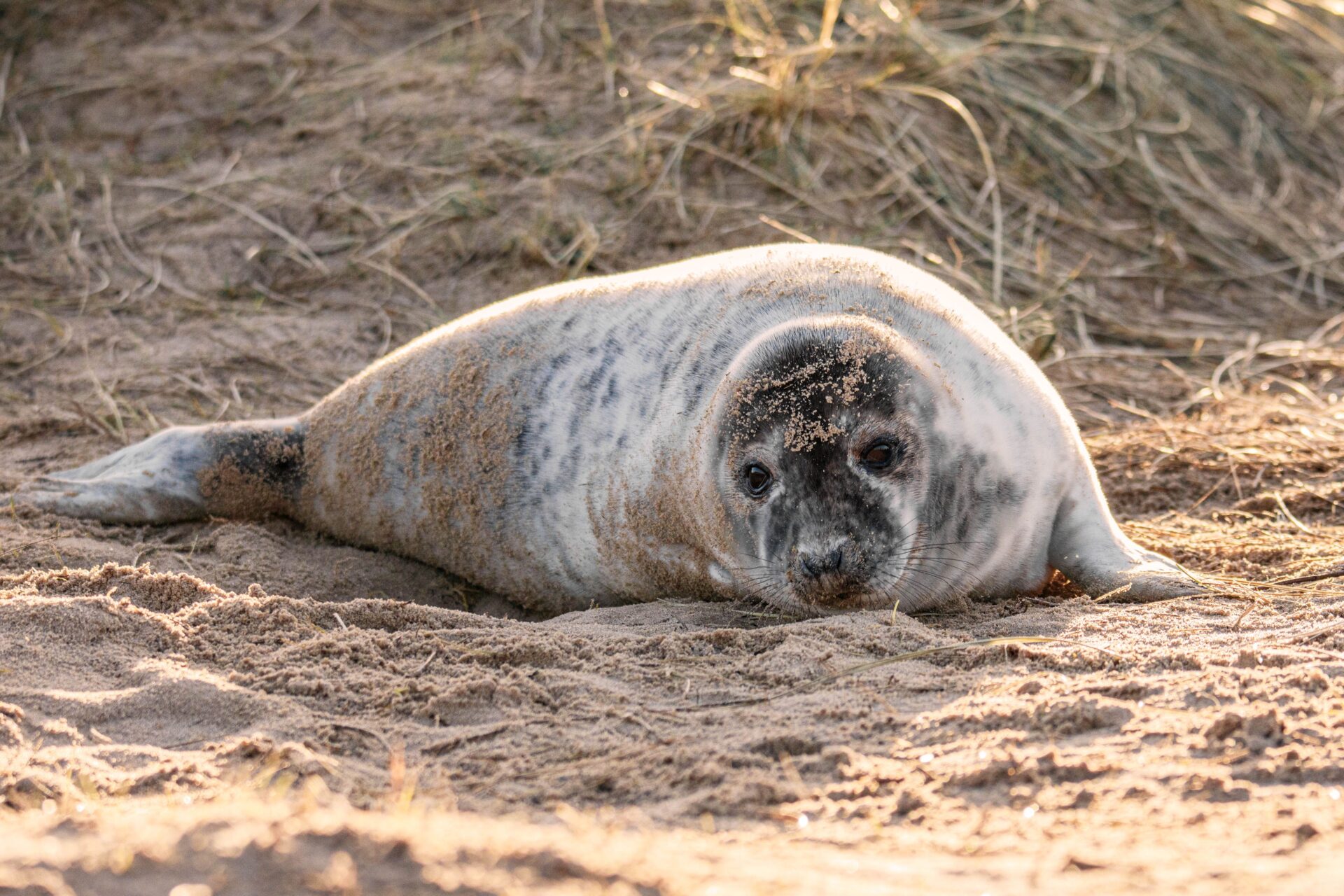
Last week, scientists confirmed that bird flu had killed more than 75% of baby seals, numbering roughly 13,000, on a remote Antarctic island belonging to Australia. The Heard and McDonald Islands’ penguins also suffered, as scientists found there to be higher-than-expected deaths in their population.
Further away from the currently anticipated infection site, two wild birds in Perth and in Western Australia’s (WA) Mid West are also being tested.

In other news




WA Agriculture Minister Jackie Jarvis said there was no confirmed evidence the virus had spread.
“I’m advised it’s not unusual for these types of migratory birds to be found along the West Australian coast, particularly this time of year when weather events can blow them off course,” she said.
“And so it is not a concern that these birds were found. I guess because of the species, the migratory nature of these birds, that’s why it was determined that they should be tested.”
So far, 94 reports of sick and dead birds in Western Australia have been made to a nationwide hotline, 11 of which have been sent for testing.
The South Australian government is on alert, and it has increased its monitoring of the state’s west coast, particularly between Ceduna and WA.


"*" indicates required fields
Printed editions
Current issue
Back issues




Enjoy so much more from Oceanographic Magazine by becoming a subscriber.
A range of subscription options are available.