Coastal conservation has to work for local communities, study finds
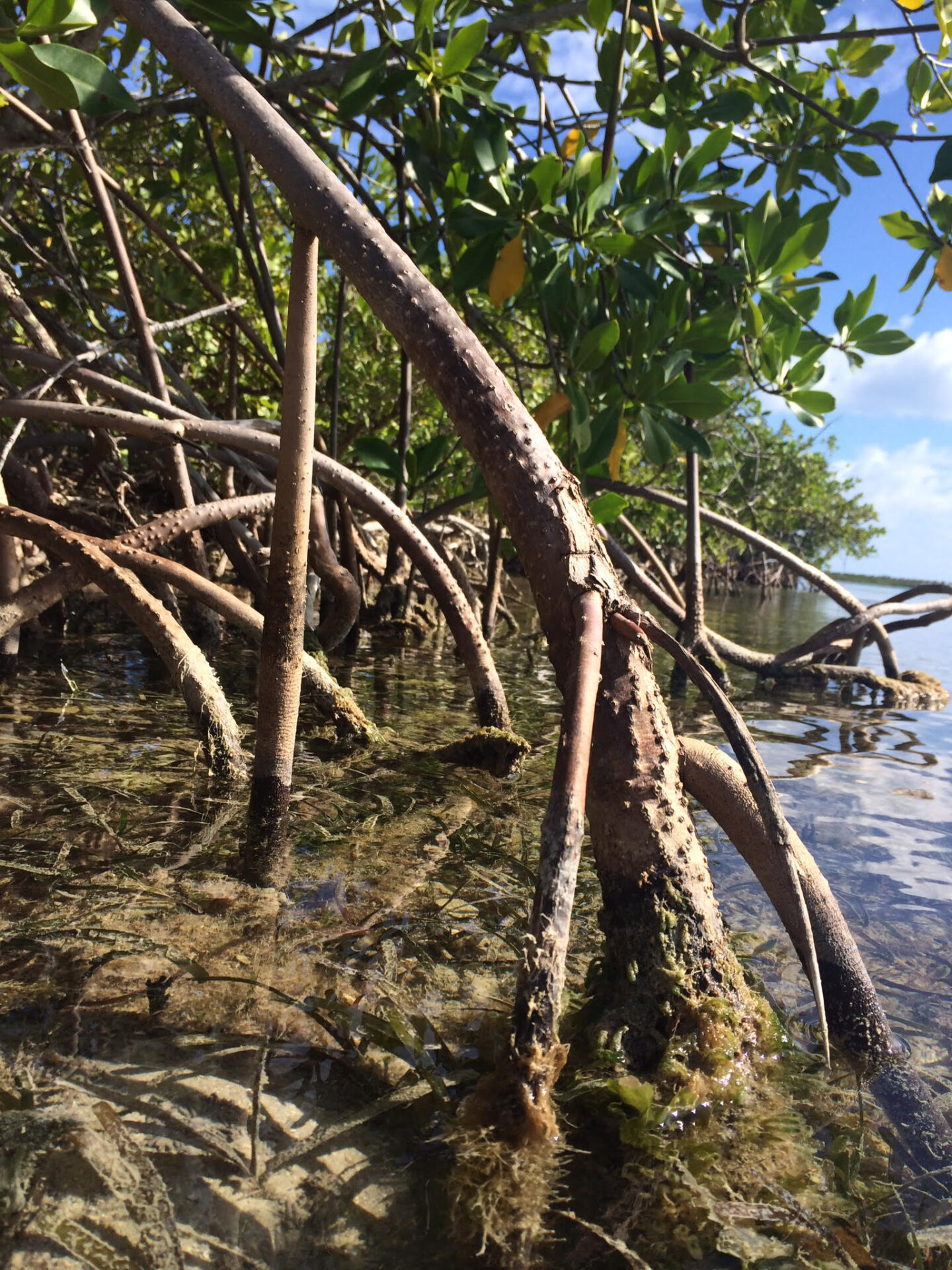
An international group of 30 scientists from 15 institutions have identified the ten most pressing questions facing blue carbon science over the next decade
A stronger link to local livelihoods and ecosystem management is needed to scale up blue carbon ecosystems and critical coastal conservation efforts, according to a new global study.
Despite the potential of blue carbon ecosystems – like mangroves and seagrass – only about 20% of eligible countries actually count blue carbon in their official climate reporting.
This gap means that countries are missing the opportunity to claim credit for coastal conservation under the Paris Agreement – reducing the incentive to protect and restore these ecosystems.
The paper, published today in Nature Ecology & Evolution, was written and researched by an international team.
Blue carbon ecosystems, if properly conserved and restored, could offset an additional 1-3% of global greenhouse gas emissions, amounting to a meaningful contribution to climate targets.
A group of 30 early career researchers, senior academics, and indigenous people from 15 institutions around the world gathered in Vienna to set out clear priorities for the future of blue carbon science globally.
They identified the ten most important questions that need to be answered over the next decade to scale up blue carbon ecosystems.
To do this, the group started with 116 submitted questions and narrowed them down. The need to integrate local communities’ livelihoods with large-scale blue carbon efforts emerged as the most pressing concern.

In other news


In doing so, the paper outlines the recognition that conservation can’t just be about carbon; it has to work for the people who live there too.
First author, Professor Peter Macreadie, from RMIT University said: “The field has shifted rapidly toward implementation, governance and equity, and bringing a large international group to agreement on what matters most proved both difficult and deeply worthwhile.”
Co-author Dr Hannah Morrissette, Smithsonian Environmental Research Center, USA, said: “Conserving blue carbon ecosystems for the livelihoods of coastal communities is not only a scientific achievement, but a universal responsibility of those in the blue carbon space.
“Merging traditional and academic ecological knowledge allows us to manage these ecosystems with a scientifically robust strategy based on local context for maximum effectiveness,” she added.
Professor William Austin, from the University of St Andrews, also involved in the research, said: “The need for multilateral cooperation in science and a vision for the protection and restoration of the world’s blue carbon habitats [is] more urgent than ever.”


"*" indicates required fields
Printed editions
Current issue
Back issues

Enjoy so much more from Oceanographic Magazine by becoming a subscriber.
A range of subscription options are available.
