Earth enters a 'new reality' as coral decline tipping point reached
The second Global Tipping Points Report, published by the University of Exeter in partnership with 87 institutions across 23 countries, reveals that coral reefs are the first of several Earth system tipping points humanity is beginning to cross.

A major scientific report released today has delivered a stark warning: the world has crossed a critical planetary threshold, with warm-water coral reefs – vital to marine biodiversity and the livelihoods of nearly a billion people – now tipping into irreversible decline.
The second Global Tipping Points Report, published by the University of Exeter in partnership with 87 institutions across 23 countries, reveals that coral reefs are the first of several Earth system tipping points humanity is beginning to cross, as the planet nears or exceeds 1.5°C of global warming.
“The reality is sinking in – coral reefs as we know them are vanishing,” said Professor Tim Lenton, Director of the Global Systems Institute and lead author of the report. “We’re seeing the start of widespread dieback that, without urgent reversal of global heating, will lead to the near-total collapse of warm-water coral ecosystems.”
These findings land just as ministers and negotiators gather in Brazil ahead of COP30. With the Amazon rainforest – itself approaching a critical tipping point – as the summit’s backdrop, scientists are calling on global leaders to act decisively to prevent further irreversible damage to Earth’s climate systems.
Beyond coral reefs, the report warns of looming risks from the melting of polar ice sheets, the collapse of the Atlantic Meridional Overturning Circulation (AMOC), and the dieback of the Amazon – tipping points that would have catastrophic implications for both people and planet.
The risk of crossing these thresholds grows with every fraction of a degree above 1.5°C. The report urges policymakers to take rapid steps to minimise the “overshoot” – the time spent above this critical temperature – by accelerating emissions reductions and deploying sustainable carbon removal strategies.
“The science is clear. Current policies are not sufficient,” said Dr Manjana Milkoreit of the University of Oslo. “We need governance systems that are agile, forward-looking and capable of managing tipping risks with urgency.”
In other news
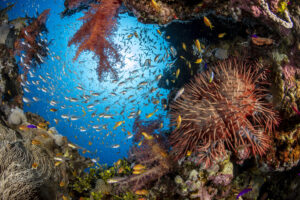


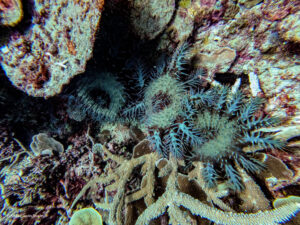
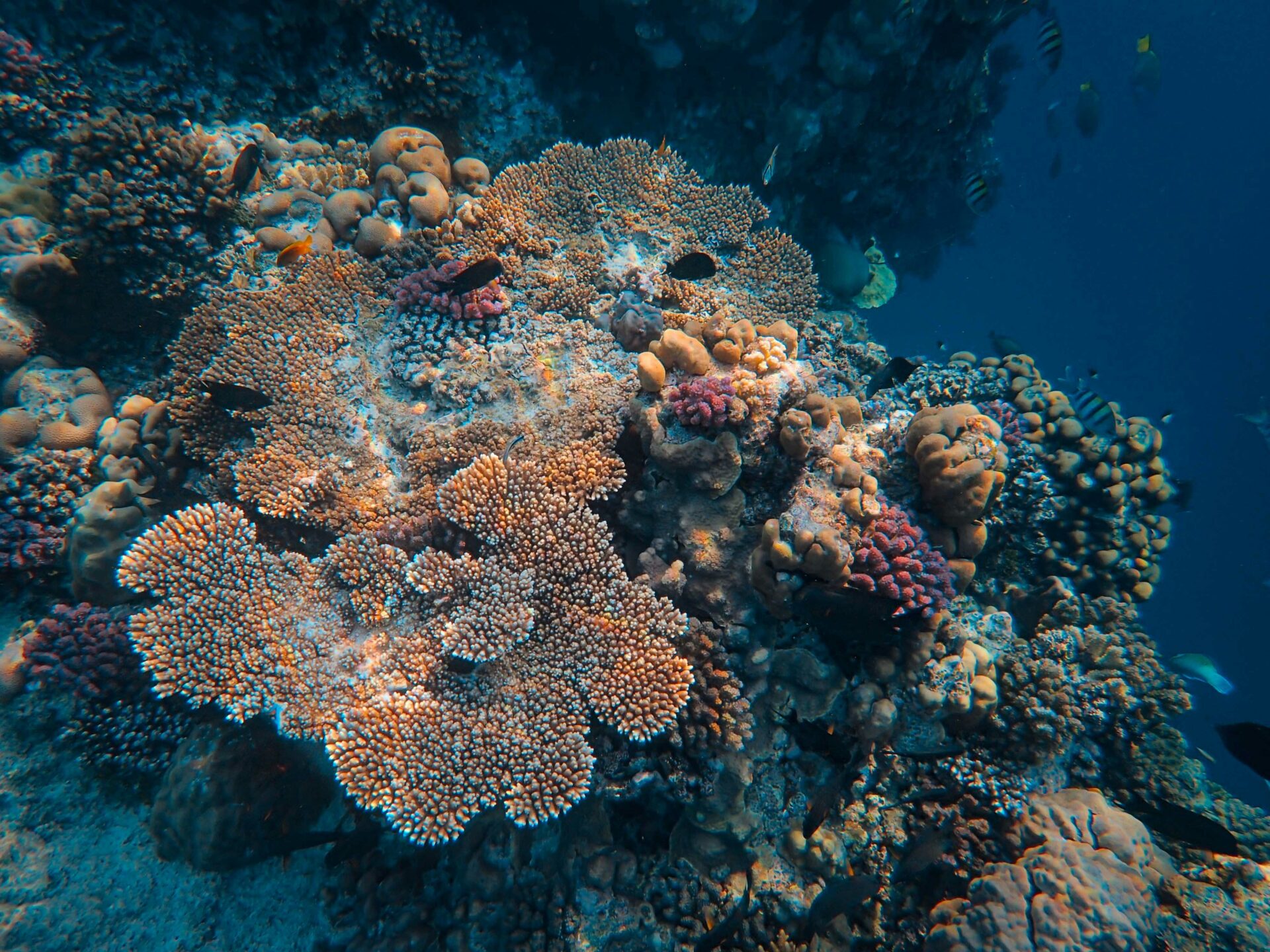
Warm-water coral reefs are reaching their thermal limits under current warming of 1.4°C. According to the report, reefs are already passing their tipping point – estimated at around 1.2°C – and even stabilising temperatures at 1.5°C will not be enough to prevent widespread collapse. Only a return to around 1°C warming, coupled with aggressive local conservation, offers hope of preserving remaining reef refuges.
“Coral reefs support a quarter of all marine life,” said Dr Mike Barrett, Chief Scientific Adviser at WWF-UK and report co-author. “Their decline is a tragedy unfolding in real time – a devastating blow to marine biodiversity and coastal communities.”
The report also lowers the estimated threshold for Amazon rainforest dieback to as little as 1.5°C, driven by a deadly combination of warming and deforestation. Over 100 million people rely directly on the Amazon for their wellbeing.
Meanwhile, the Atlantic Ocean’s vital circulation system, AMOC, is also under threat. Its potential collapse – projected below 2°C of warming – could disrupt monsoons in Africa and South Asia, intensify European winters, and destabilise global food systems.
Despite the grim outlook, the report offers a path forward: harnessing “positive tipping points” – self-propelling shifts toward sustainability already underway in sectors such as renewable energy and electric mobility.
Solar power, wind energy, and electric vehicles have already crossed critical thresholds in some markets, thanks to falling costs and shifting consumer demand. The report calls on COP30 negotiators to focus on “super-leverage points” – areas where policy changes can trigger cascading change across interconnected systems, from energy and transport to agriculture and cities.
Brazil, the host of COP30, has significant potential to lead in the development of green steel, hydrogen and ammonia – technologies that could spark global transformation in heavy industry.
“The transition is not only possible, it’s already happening in places,” said Professor Lenton. “But we must move faster and more deliberately to tip the balance toward a sustainable, thriving future.”
The COP30 Presidency has now launched the “Global Mutirão” – a call for collective mobilisation inspired by Brazil’s traditions of community action. Ambassador André Corrêa do Lago, President Designate of COP30, praised the report’s contribution to this vision.
“This is not just a scientific report,” he said. “It’s a rallying cry for humanity to choose change – and build a safe, just and prosperous future.”
The report concludes that addressing tipping points requires a systemic shift in global governance, including integrating tipping risks into national adaptation plans, legal frameworks, and climate finance mechanisms.
As the world looks ahead to COP30, the message from the scientific community is clear: the window to prevent cascading climate collapse is closing fast – but with immediate action, positive transformation is still within reach.


"*" indicates required fields
Printed editions
Current issue
Back issues

Back Issues
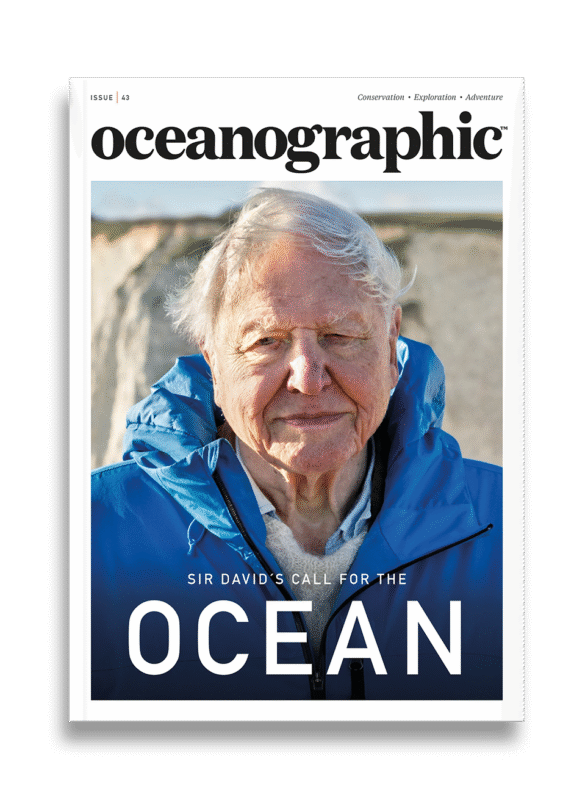
Issue 43 Sir David Attenborough’s ‘Ocean’


Back Issues
Issue 41 Holdfast to the canopy
Enjoy so much more from Oceanographic Magazine by becoming a subscriber.
A range of subscription options are available.
