Faroe Islands kill 15 times more whales than demand requires
A new report finds Faroese whale hunts kill 15 times more pilot whales and dolphins than domestic demand requires, as conservationists urge the UK to use trade leverage to end the Grind.
Marine conservationists have launched a report exposing the scale of animal cruelty, neglect and waste behind whale and dolphin hunts in the Faroe Islands – arguing that the annual kill count vastly exceeds what domestic consumption actually requires.
The Case Against the Grind, published by the Stop the Grind initiative, draws together evidence spanning animal welfare, public health, conservation science and international law. The report calls for an end to whale and dolphin hunting in the Faroe Islands – known locally as the Grindadráp, or Grind – which lie roughly 200 miles north of Scotland.
According to the report, Faroese demand for whale meat has collapsed from an average of 4.4 kilograms consumed per person in 1982 to just 1 kilogram by 2024, a fall of more than three-quarters within a single generation. On current figures, an estimated 55 whales would be enough to meet domestic demand.
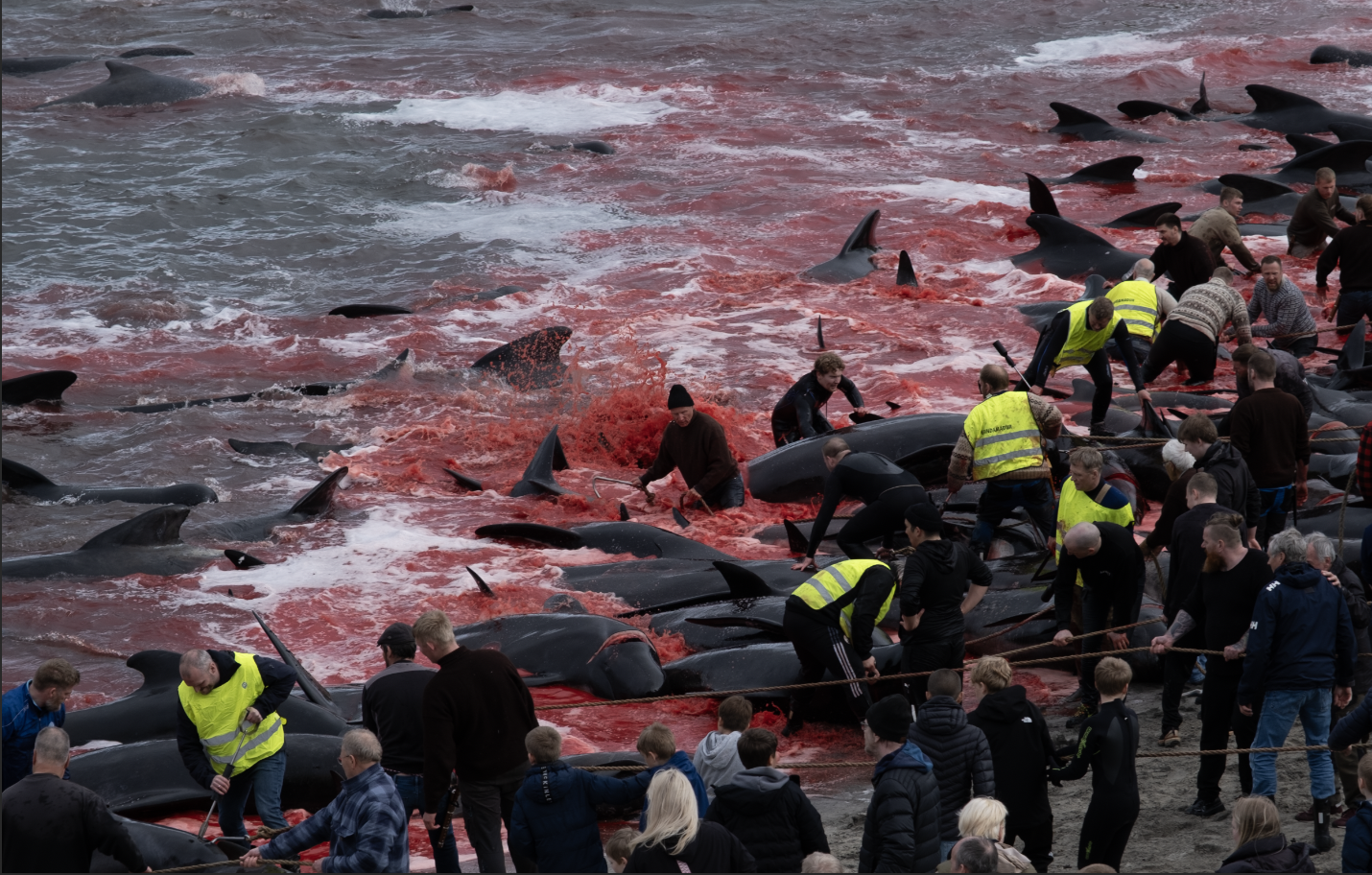
Despite that decline, kill numbers have stayed broadly stable at a yearly average of 827 pilot whales and other dolphins – some 15 times the number the report identifies as necessary.
The findings challenge the Faroese Government’s claims that the Grind is a sustainable practice, and arrive after a year of what the report’s authors describe as unprecedented regulatory backsliding on the hunts.
In late May, two days before the most recent Grind – in which more than 700 marine mammals were killed in a single day – lawmakers voted unanimously to exempt the hunts from animal welfare laws, effectively shielding whalers from prosecution for welfare abuses. Experts warn the move opens the door to larger, bloodier hunts.

In other news

The report was launched before MPs in Westminster, with Stop the Grind highlighting the UK-Faroese Free Trade Agreement as a potential lever for change. The UK imported approximately £147 million worth of fish and shellfish from the Faroe Islands in the year to Q4 2025, making Britain a significant contributor to the Faroese economy.
The initiative’s campaign has already drawn substantial cross-party support in Parliament, with more than 70 MPs signing motions demanding an end to the hunts.
Valentina Crast, Faroe Islands Campaign Director at Sea Shepherd, said: “For years, the Faroese Government and proponents of the Grind have argued that the hunts are justified by local demand and are sustainable. The new report published today challenges that claim: in reality, far more pilot whales and other dolphin species are being killed than can be justified by subsistence needs alone.
“And even the official kill figures do not tell the full story. They exclude the fetuses of pregnant whales and small juveniles killed during the hunts but not taken for human consumption. The true number of animals lost is therefore higher than the headline figures suggest.
“With the hunts now operating with even fewer legal protections than before, it is increasingly difficult to see how the Faroese Government can defend the scale of these hunts on cultural or subsistence grounds.
“Britain has real leverage through its trade relationship with the Faroe Islands, and we’re asking the UK Government to consider using it.”


"*" indicates required fields
Printed editions
Current issue
Back issues
Enjoy so much more from Oceanographic Magazine by becoming a subscriber.
A range of subscription options are available.