Insurers won't rule out fossil gas expansion across Coral Triangle
On Coral Triangle Day, the Insure Our Future coalition reveals that most major insurers refused to exclude LNG expansion from the world's most biodiverse marine region - with French insurer SCOR the sole exception.
The Coral Triangle – the vast marine region spanning Indonesia, Malaysia, the Philippines, Papua New Guinea, the Solomon Islands, and Timor-Leste – is often called the Amazon of the Sea. It contains around 76% of the world’s coral species, more than 2,000 species of reef fish, and supports the livelihoods of over 360 million people. It is also, according to campaigners, being put at serious risk by an industry that claims to champion biodiversity.
A new report issued by the Insure Our Future coalition has revealed that most of the world’s largest insurers and reinsurers have refused to rule out covering LNG expansion across the region, despite the mounting evidence of what fossil fuel development means for ecosystems and communities already on the climate frontline.
Thirty of the leading names across the insurance sector – those including the likes of Alliance, Aviva, and AXA – were contacted and asked to commit to excluding cover for new fossil gas infrastructure in the Coral Triangle. Of those, only one – the French insurer, SCOR – moved to introduce new restrictions in response.
The campaign marks the launch of a wider global push to have the Coral Triangle declared a no-go zone for new oil, gas, and LNG development. Actions are taking place today across the Philippines, Indonesia, Malaysia, the UK, France, Switzerland, Japan, South Korea, and the United States, with further activity planned throughout the month.
“SCOR appears to have listened to our warnings on the risks posed by fossil fuel expansion in the Coral Triangle,” said Ariel Le Bourdonnec, Insurance Campaigner at Reclaim Finance. “The decision to recognise the Coral Triangle in its assessment and decision-making process will make it difficult to justify coverage for new LNG terminals located in the region.”
Le Bourdonnec has suggested that other insurers – many of whom claim to be strong advocates for biodiversity – should “take note”, adding that their existing policies restricted to UNESCO World Heritage Sites or certain categories of IUCN protected areas “are not enough to protect the Coral Triangle.”
“They must recognise the risks that fossil fuel development poses to this precious biodiverse area,” she added.

In other news
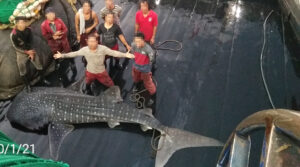
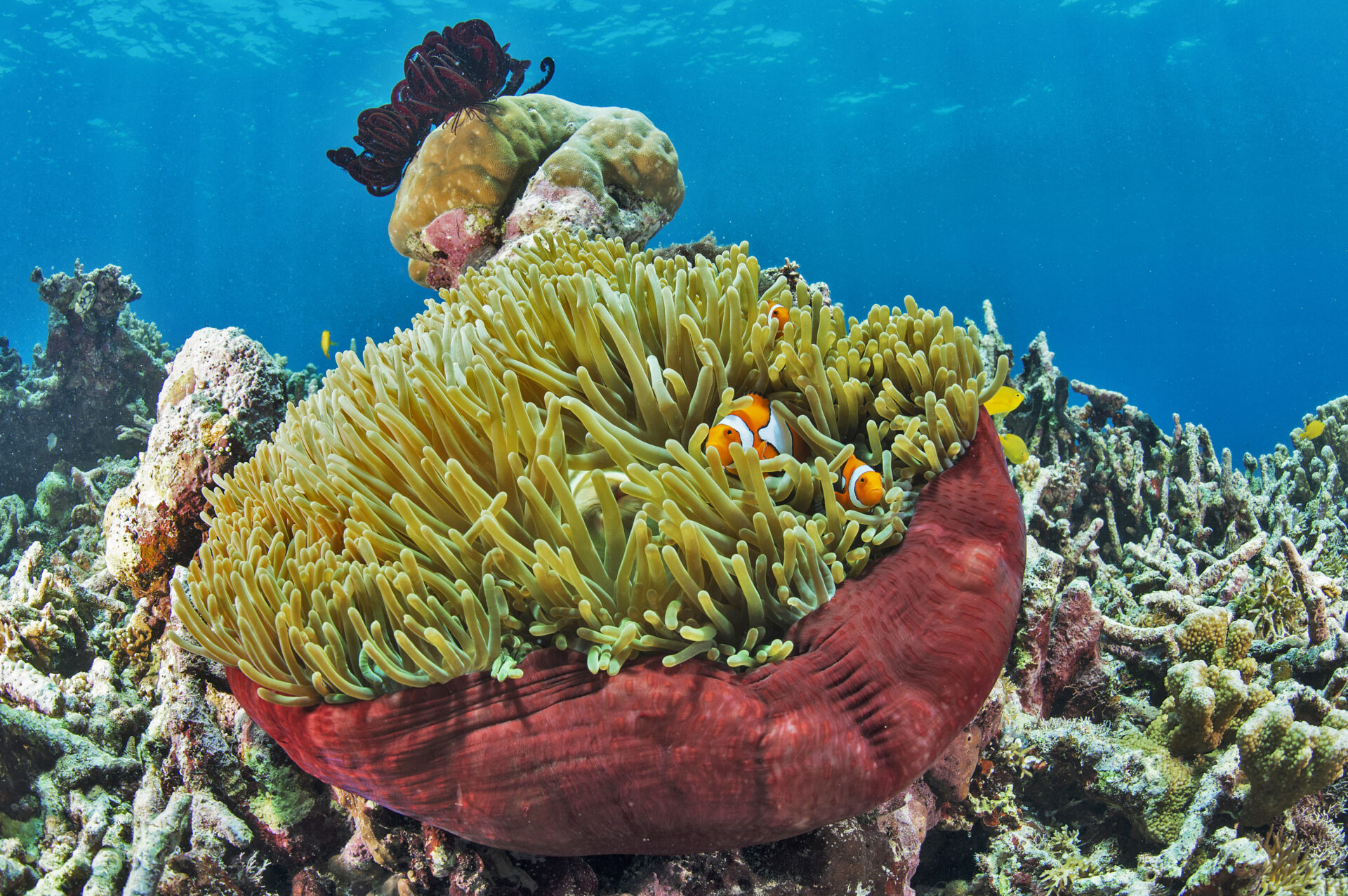
There are already 183 oil and gas fields operating across the Coral Triangle, with dozens more in development and hundreds of exploration blocks yet to be opened. At least 27 new LNG terminals are planned, many in close proximity to coral reefs, mangroves, and seagrass ecosystems.
If fully developed, planned projects could extend across up to 16% of the region’s entire marine area.
“There is a gap between what insurers say about biodiversity and what they are willing to do in practice. The Coral Triangle is not a handful of isolated protected areas that can be safeguarded one site at a time – it is the world’s richest marine ecosystem. If insurers are serious about protecting nature, they must move beyond narrow exclusions,” said Isabelle L’Héritier, senior strategist and campaigner at Insure Our Future.
More than 20 insurers and reinsurers have already adopted restrictions on oil and gas projects in the Arctic National Wildlife Refuge. For campaigners, the question is not whether the industry can act but whether it is willing to.
“For coastal communities in Palawan, the Verde Island Passage, Bali, and Tun Mustapha, the climate crisis means dwindling fish catches and days when fisherfolk cannot safely go to sea,” said Anj Dacanay, lead campaigner at Energy Shift Southeast Asia. “Yet the insurance industry continues to back the fossil fuel companies driving this crisis. By shielding these corporations from risk, insurers are actively financing the destruction of vital marine ecosystems.”
The economic case for alternatives is also strengthening and many specialists have argued that the current energy crisis is the perfect opportunity to catalyse a ‘low-cost energy transition towards renewables. The kind that could negate the need for further investments in gas infrastructure across the Coral Triangle altogether.
According to Christopher Doleman, LNG and gas specialist for Asia at IEEFA: “Evidence is emerging that solar combined with batteries can now competitively provide firm power at rates that undercut the price provided by LNG.”
For those living alongside the Coral Triangle, the stakes are existential. Gerry Arances, executive director at the Center for Energy, Ecology, and Development, has argued: “Insurers cannot continue to de-risk the very projects that make the lives of millions relying on the Coral Triangle unsustainable.
“It’s time for the insurance industry to step up and embrace the true mandate of their business: to protect their policyholders from the most urgent risk they have faced, by putting an end to underwriting new fossil fuel projects.”


"*" indicates required fields
Printed editions
Current issue
Back issues
Enjoy so much more from Oceanographic Magazine by becoming a subscriber.
A range of subscription options are available.