Breath test trial could protect Arctic whales from ship strikes
As melting ice opens up busy Arctic shipping lanes, researchers are trialling a new visual system to protect blubber-insulated whales from devastating ship strikes.
Melting sea ice in the Arctic is bringing with it an increase in boat traffic, with the number of ships travelling through the region growing by as much as 40% over the past decade. As global warming intensifies and sea ice cover shrinks, these waters are only set to get busier.
At the same time, collisions with vessels – also known as ship strikes – have become a leading cause of severe injury and mortality for large whales globally. As the waters of the Arctic grow busier, so too does the threat to the marine giants that call these seas home.
Part of the problem is that these polar specialists – including narwhals, beluga, and bowhead whales – are insulated with a thick coat of blubber, making them adept at traversing the region’s icy waters. But this blubber is also acting as a cloaking device’ and the systems used to identify animals through their body heat are often failing to detect the presence of these mammals.
To solve this problem, researchers are trialling a new system designed to detect these whales in Arctic waters by focusing on the heat emitted via their blowholes rather than their bodies, providing – what the teams behind the trial hope will be – long-term data for ecological monitoring. Success here will mean enabling vessels to receive early warnings of the presence of the marine mammals, saving them from devastating ship strikes.

In other news



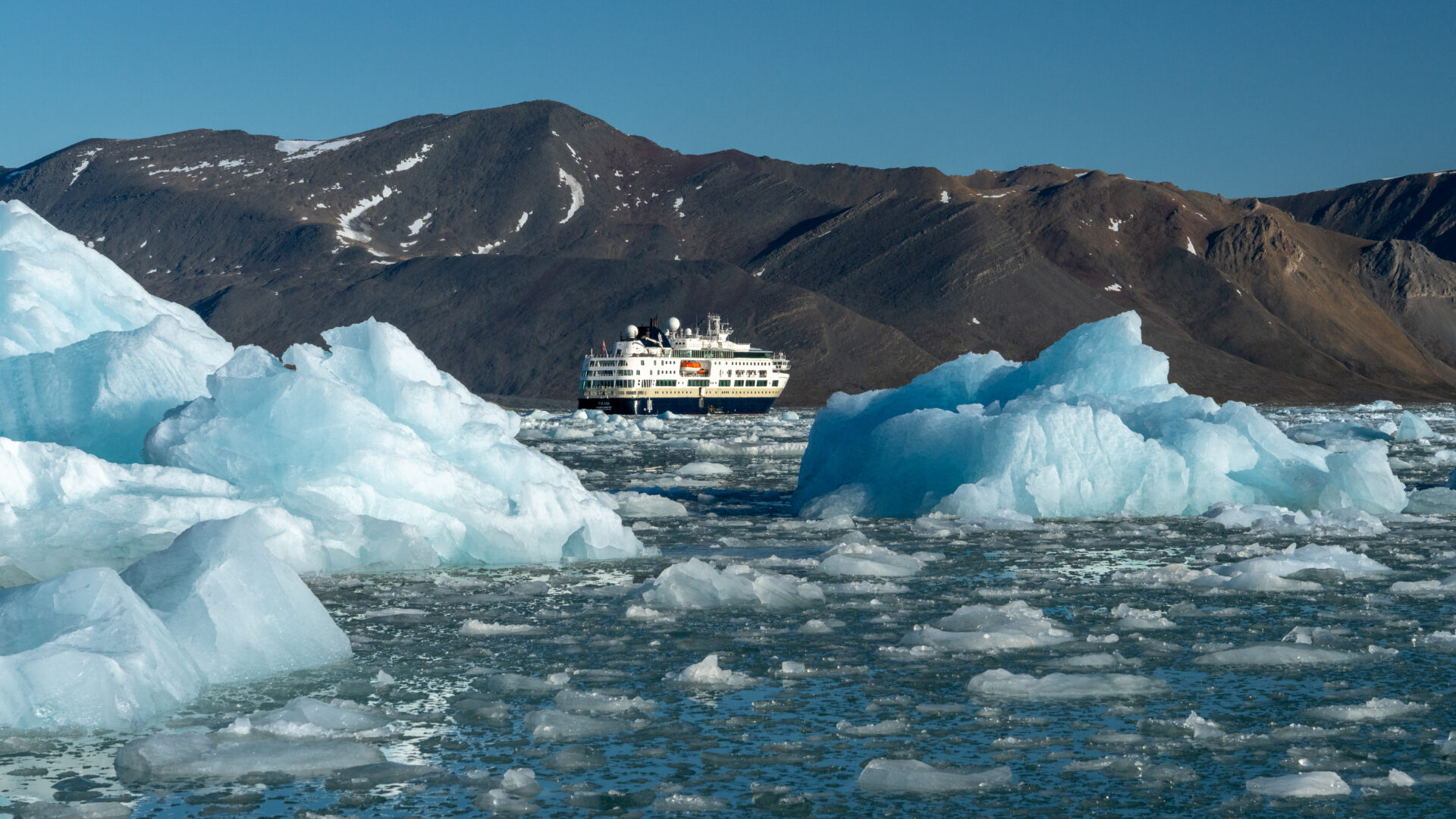
This smart visual detection system is being trialled aboard an Arctic expedition ship, by researchers from Heriot-Watt University’s Whales and Arctic VEssels (WAVE) project who are working with UK marine monitoring specialist Seiche and HX Expeditions on the project.
The system began operating on HX Expeditions’ MS Fram’s voyage from Dover to Svalbard and will collect data around the Svalbard archipelago throughout the Arctic summer.
The system works by using thermal imaging to detect the whales’ blows – the warm plumes of air emitted when whales surface to breathe.
“Narwhals, beluga and bowhead whales are unique to the Arctic Ocean and, as these waters are rapidly changing and becoming busier, we have a small window to be proactive in protecting them,” said Dr Lauren McWhinnie, a researcher on board the MS Fram overseeing the camera’s operation and data collection.


"*" indicates required fields
Printed editions
Current issue
Back issues




Enjoy so much more from Oceanographic Magazine by becoming a subscriber.
A range of subscription options are available.