New report exposes Europe's hidden bycatch crisis
A new EJF and Oceana report reveals Europe's landing obligation has failed to curb bycatch, and sets out a three-part fix: avoidance, verified monitoring, and transparent enforcement across EU fisheries.
A joint report from the Environmental Justice Foundation (EJF) and Oceana has laid bare the scale of Europe’s ongoing bycatch crisis, revealing that more than a decade after the EU’s landing obligation was introduced to end wasteful discarding, the rule still isn’t working.
Published Tuesday, the report – “Making the Landing Obligation Work: Tackling Europe’s Bycatch Crisis through Fisheries Transparency” – lands just as the European Parliament prepares to vote on a resolution on the Common Fisheries Policy (CFP), amid calls to reopen it ahead of the publication of Vision 2040.
The landing obligation was designed to reduce waste, encourage more selective fishing, and improve the catch data used to manage stocks. Instead, the European Commission’s own 2025 study found average discard rates had fallen by less than two percentage points.
The scale of the problem in individual fisheries is cause for concern: almost half of Irish Sea haddock catches were estimated to have been discarded between 2022 and 2024, while discards of eastern English Channel plaice approached four-fifths in 2025.
According to the report, the failure isn’t simply that fish continue to be thrown back – as some of that is lawful under existing exemptions. The deeper issue is a lack of reliable, independently verifiable information about what is actually caught, retained, released and landed at sea. It’s a gap that distorts quota uptake, undermines scientific advice, and fuels so-called “choke” problems in mixed fisheries.
“If we want the landing obligation to work, we need to prevent unwanted catches, not just manage them after they are caught,” said Arielle Sutherland-Sheriff, policy advisor at Oceana.
“Avoidance is the simplest and most effective tool we have. That means supporting fishers with more selective gear and better information to help them decide when and where to fish, reducing unwanted catches before they occur. Most unwanted catch that is discarded does not often survive, so preventing those catches from happening is far preferable to throwing valuable fish back dead.”

In other news





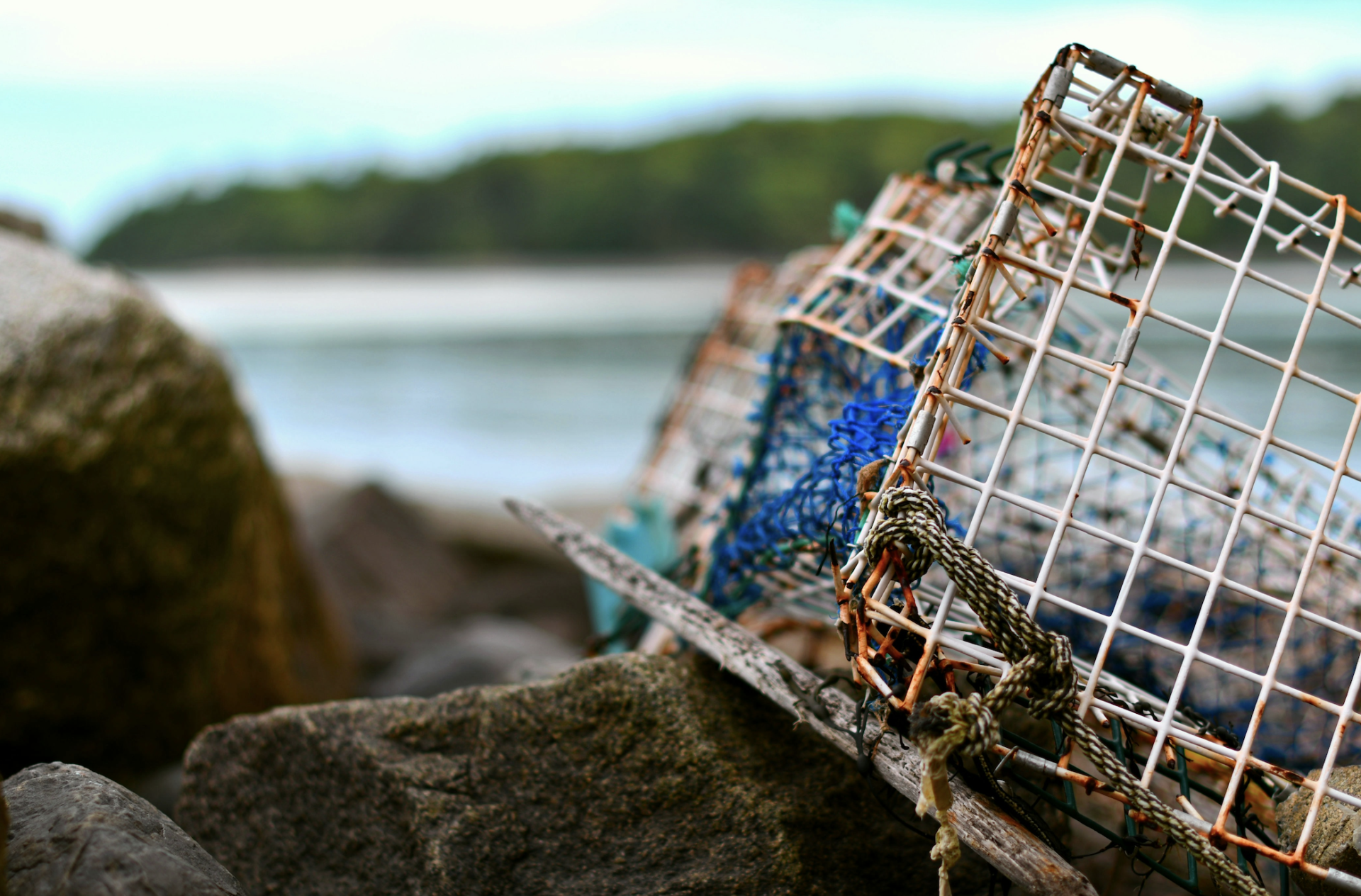
The report points to encouraging results from selective gear trials already underway. Sorting-grid trials in the Irish Sea Nephrops fishery cut unwanted whiting catches by 77-87%, haddock by 91-92%, and cod by up to 100% in some configurations. In the north-western Mediterranean, a wider square-mesh codend allowed around 90% of undersized hake to escape.
The report identifies remote electronic monitoring – particularly onboard cameras – as essential to closing the documentation gap left by inspections, patrol vessels and logbooks. In Denmark’s Kattegat programme, recorded undersized cod bycatch rose by 878% once cameras were installed – not because bycatch increased, but because it was, for the first time, being properly seen and recorded.
“Europe is still dumping vast quantities of fish back into the sea, unseen and largely unrecorded. The Landing Obligation was meant to end this massive food waste and overfishing risk, and it still can. The results from countries like Denmark are clear: cameras on board improves bycatch reporting on depleted cod stocks cod, which helps fishers avoid them,” said Steve Trent, founder and ceo of the Environmental Justice Foundation.
“What has been missing is the transparency, and the political will, to use them at scale. EU Member States must take the necessary steps to implement cameras on board, as it has committed to by January 2028.”
From January 2028, EU vessels of 18 metres or more identified as high-risk for non-compliance will be required to carry remote electronic monitoring, including onboard cameras. The report argues this framework now needs transparent risk criteria covering the most discard-prone vessels, along with new standards and safeguards for privacy and due process.
The third pillar the report calls for is public accountability, which includes Member States publishing comparable data on monitoring coverage, infringements and sanctions, and linking enforcement records to public subsidy decisions in line with World Trade Organization rules aimed at eliminating illegal, unreported and unregulated fishing.
Taken together, EJF and Oceana argue, avoidance, documentation and enforcement form a single connected system – and treating them that way offers the clearest path to protecting fish stocks, supporting fishers’ livelihoods, and safeguarding a healthy ocean.


"*" indicates required fields
Printed editions
Current issue
Back issues
Enjoy so much more from Oceanographic Magazine by becoming a subscriber.
A range of subscription options are available.