Norway increases whaling quota, despite flatlining meat industry
Campaign groups have called into question the validity of the arguments made by the Norwegian government in favour of the practice, among which it includes claims that ‘whales eat a large number of local fish stocks, heavily impacting the ecosystem.’

The Minister of Fisheries and Oceans in Norway has increased the number of minke whales that can be killed by hunters in 2025, raising the quota to 1,406 – an increase of 249 – despite the fact that demand for whale meat is actually falling across the country.
Amid international efforts to curtail whaling practices and in disregard of the ethical, ecological, and economic implications, the government of Norway and its whaling industry remains persistent in its embrace of commercial hunting.
Campaign groups have called into question the validity of the arguments made by the Norwegian government in favour of the practice, among which it includes claims that ‘whales eat a large number of local fish stocks, heavily impacting the ecosystem.’
According to the Norwegian government, whaling – therefore – “contributes to balance in the ocean”. They also cite the United Nations’ sustainability goals, suggesting that whaling “provides healthy and locally sourced food” aiding with the ‘need to eat more seafood’.
Both of these points have been argued against vehemently by campaigners, particularly those at Whale and Dolphin Conservation, who insist the argument that whaling is required by the nation to feed the nation, simply isn’t true.
“Whaling is cruel, with many whales taking a long time to die after being shot with grenade harpoons, while Norwegian research shows that many whales suffer slow, agonising deaths – some suffering for up to 25 minutes after they are harpooned,” said Danny Groves, head of communications at Whale and Dolphin Conservation.
“Whales also play a scientifically proven and vital role in keeping the ocean healthy, which helps with the fight against climate breakdown. The misinformation around whales being detrimental to fish populations is also contrary to scientific research, because in fact, the opposite is true: Increased whale numbers result in increased ecosystem productivity, which supports larger overall fish populations.”
Meanwhile, contrary to claims of cultural significance, Norway’s whaling industry faces dwindling domestic demand for whale meat. A 2021 survey found that only 2% of Norwegians eat whale meat (down from 4% in 2019), while no one under 35 reported eating whale meat often.
“Fewer people are eating the meat in Norway, which means the government has had to prop up the whaling industry, while large amounts of the meat gets sold to Japan,” said Groves.
In other news

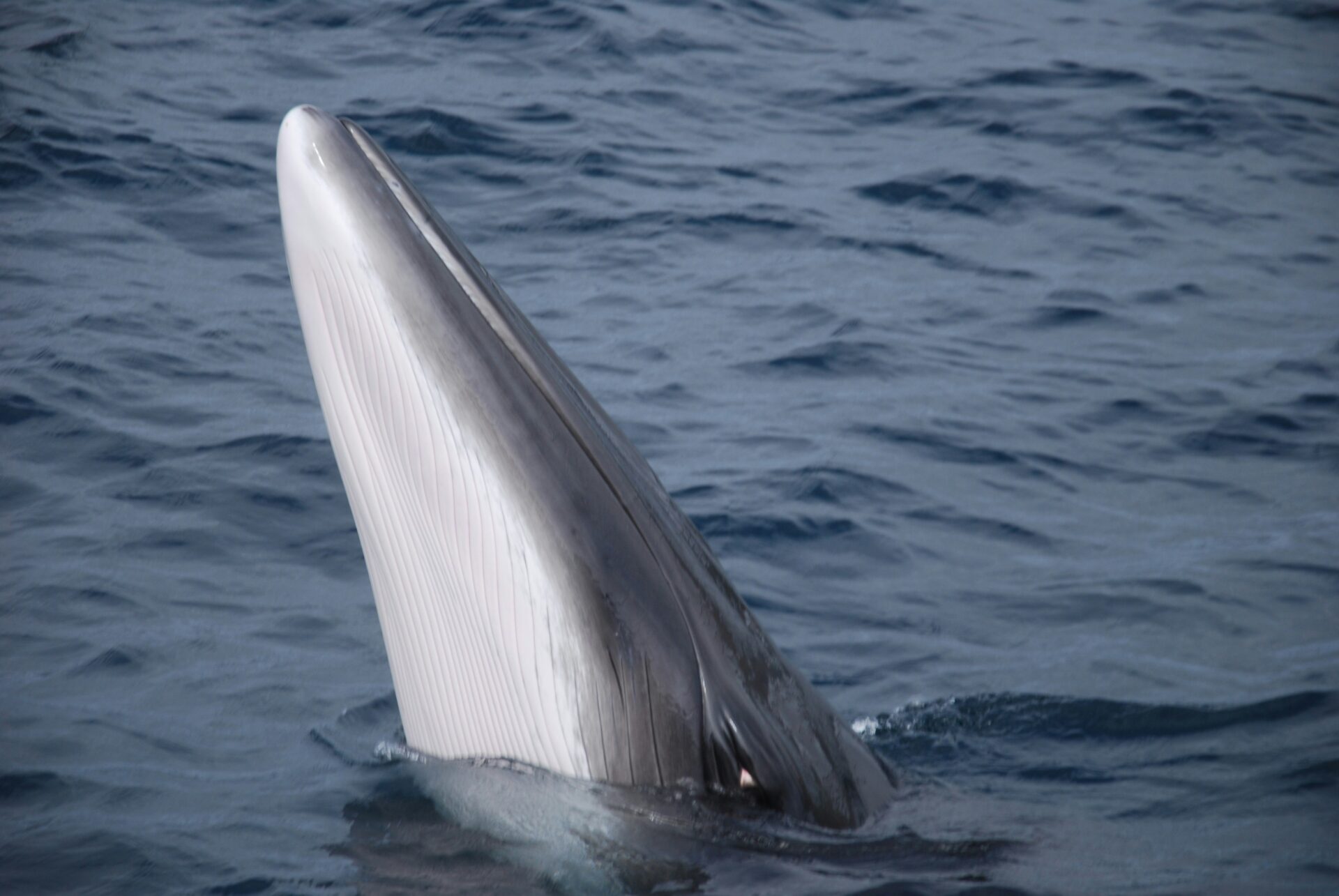
In a governmental press release, Norway’s Minister of Fisheries and the Oceans, Marianne Siversten Næss, said there are currently more than 100,000 minke whales in the North Atlantic, adding that the increased quota of whales for slaughter this year comes from an unused quote from previous years and has been carried over to 2025.
In 2024, 11 vessels participated in whale hunting in Norwegian waters, during which period the catch was 415 animals. While this is an increase in the number of vessels taking part, it marks a decrease in catch compared to the previous year.
These quotas are set based on calculation models from the Scientific Committee of the International Whaling Commission established, the press release read, to “ensure suitable management of the minke whale population.”
Despite being a member of the International Whaling Commission, Norway has objected and continues to object to a whaling moratorium, asserting its right to continue commercial whaling under its own terms. Since 1993, Norway has annually hunted hundreds of minke whales – the smallest of the baleen whales – justifying its actions as sustainable and legal.
Early last month, Finnish authorities were weighing up a response to a 2022 case in which customs officials intercepted the illegal importation of around 36,000kg of whale meat from Norway into Finland in the form of sausages to be used as food for sled dogs.
The CITES Convention protects over 40,000 species of animals and plants threatened by international trade. The common minke whale is covered by the international CITES Convention. On top of this, the Finnish legal act on protecting whales and Arctic seals prohibits imports of whale meat and other whale products to Finland from all countries.
In an article detailing the intercepted importation, Dr Siri Martinsen, a veterinarian at NOAH – Norway’s largest animal protection NGO, said: “”Norwegians in general do not want to eat whale meat and I count they would feel happy about whales being killed to feed dogs.”
Outside of sausages, holiday makers have been pinpointed as a prime target for whale meat marketing who can purchase it in giftshops, supermarkets, restaurants, and aboard cruise ships.
“It could be that many tourists are yet to realise that, by purchasing whale products, they are helping to perpetuate an industry that could have otherwise died by now,” said Whale and Dolphin Conservation.
“We hope tourists will lose their appetite for whale meat once they realise the steak on their plate may well have come from a terrified, pregnant minke whale.”


"*" indicates required fields
Printed editions
Current issue
Back issues
Back Issues
Issue 43 Sir David Attenborough’s ‘Ocean’


Back Issues
Issue 41 Holdfast to the canopy
Enjoy so much more from Oceanographic Magazine by becoming a subscriber.
A range of subscription options are available.
