Oil licences inside UK MPAs go ahead, but tougher scrutiny coming
The UK High Court has upheld 28 offshore oil and gas exploration licences challenged by Oceana UK, concluding that the government’s initial environmental assessments were legally sound. It's landed with a ruling that assessments of ecological damage must intensify at every stage.

The UK High Court has upheld 28 offshore oil and gas exploration licences challenged by Oceana UK, concluding that the government’s initial environmental assessments were legally sound.
However, while the initial reading isn’t what the environmental NGO had been holding out for, the ruling did land with a pointed caveat: that assessments of ecological damage must intensify at every subsequent stage of the approvals process, particularly as projects move closer to production.
The decision leaves several layers of governmental scrutiny still to come before any drilling could begin.
Some 21 of the 28 licences lie within marine protected areas (MPAs) – waters that shelter harbour porpoise, grey seals and puffins. Oceana had argued that the government sidestepped advice from its own nature agencies when issuing the licences in May 2024, and failed to fully account for risks from oil spills or the climate implications of extracting and burning additional fossil fuels.
In court, the judge ruled that the “appropriate assessments” carried out for the exploration stage were adequate given the multi-step regulatory pathway for offshore developments. Crucially, the judgment stressed that this finding should not be interpreted as a green light for full production.
Instead, each future decision, the court said, must reckon with the cumulative and site-specific ecological risks, employing “increasing rigour” as projects advance.
In other news





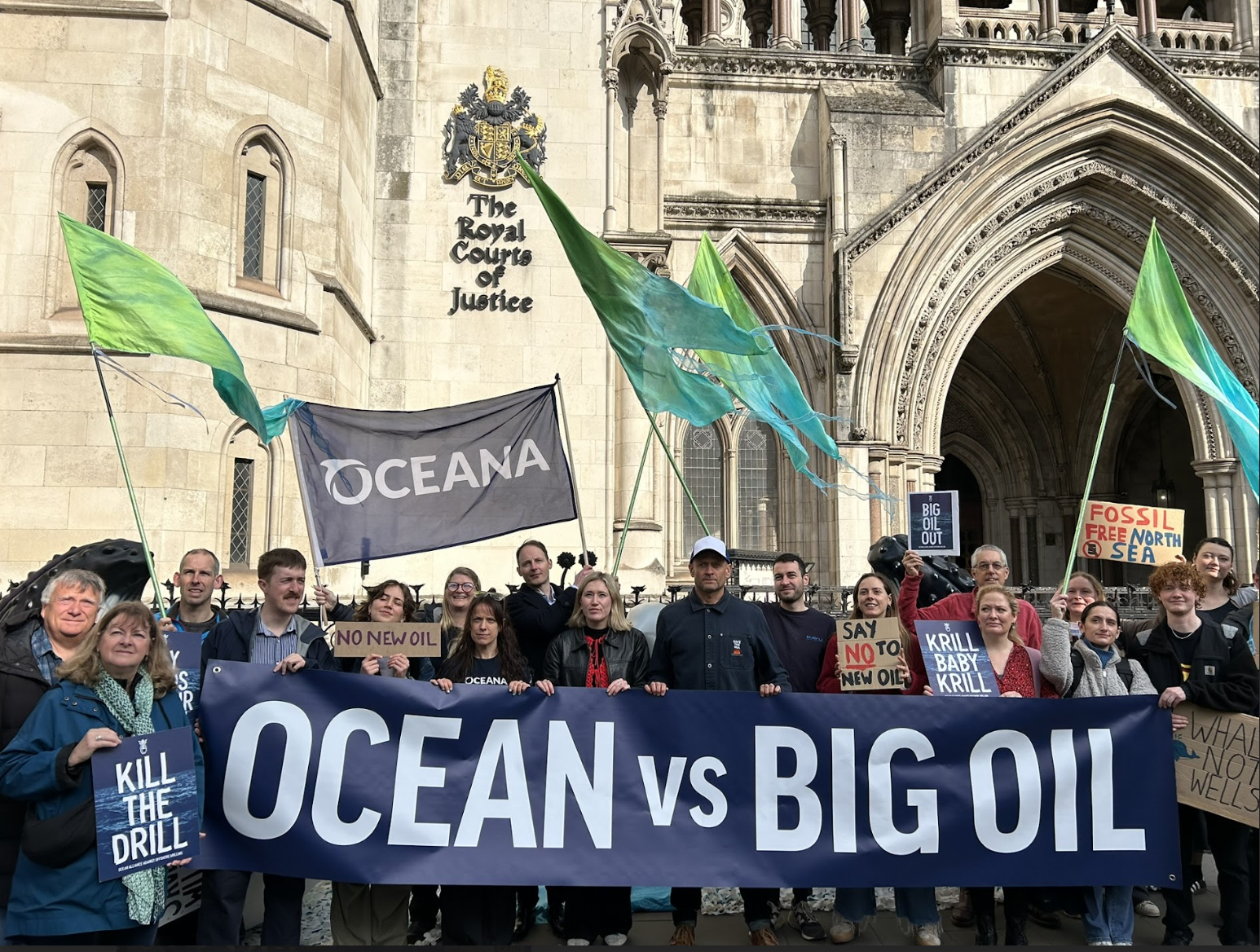
Oceana UK said it is reviewing the ruling and weighing “all possible routes” to continue challenging the developments, including a potential appeal. The NGO’s own analysis indicates that spills from existing UK offshore operations remain a persistent threat: more than two oil or chemical spills were reported daily last year, releasing over 82,000 kilograms of pollutants into the sea.
“Legally, the government’s decision to grant these licences stands, but morally, it will never be right,” said Hugo Tagholm, Executive Director of Oceana UK. “We need to honour a safe and stable planet for future generations, not yet more profits for Big Oil.”
This week’s national budget introduced a significant policy shift: the government has pledged to legislate a ban on new oil and gas licences – though the prohibition will not apply to the 28 licences at the centre of Oceana’s challenge. Ministers also unveiled “Transitional Energy Certificates,” which would permit expansions of existing offshore infrastructure while excluding new exploration.
Oceana welcomed the licence ban as “a downright win for our ocean and climate,” but warned that expansions of existing fields must face the same stringent assessments the High Court underscored.
The 28 licences form the final tranche of the UK’s 33rd licensing round. Government figures suggest that the full round’s 82 licences could unlock as much as 600 million barrels of oil equivalent.
The ruling lands at a time when the UK’s seas are already strained. Marine heatwaves – driven by accelerating global heating – have surged to unprecedented levels in recent years, alongside rising acidity and falling oxygen concentrations. Scientists warn that these compounding stressors risk driving mass mortality events among fish, seabirds, and marine mammals, further eroding the resilience of already pressured ecosystems.
Last week, leading UK scientists, economists, strategists, and environment advocates convened in Westminster for a National Emergency Briefing, called together by the environmentalist and TV presenter, Chris Packham to address “reset the conversation” on nation-wide climate action and the urgent need for rapid decarbonisation to keep global warming within a 2°C limit to avert some of the most devastating impacts of climate change.
This will include the rapid switch to green, renewable energy.


"*" indicates required fields
Printed editions
Current issue
Back issues
Back Issues
Issue 43 Sir David Attenborough’s ‘Ocean’


Back Issues
Issue 41 Holdfast to the canopy
Enjoy so much more from Oceanographic Magazine by becoming a subscriber.
A range of subscription options are available.
