Rust and ruin: the oil wells poisoning UK marine protected areas
A new Oceana UK report reveals that 1,685 unplugged oil and gas wells and thousands of kilometres of corroding pipelines are threatening UK marine protected areas, calling for urgent decommissioning at industry's expense.
For decades, the true cost of North Sea oil and gas extraction was left in the water. Today, more than 1,685 unplugged wells and 31,000 kilometres of corroding pipelines remain scattered across UK seas – many of them inside the marine protected areas meant to give ocean life a fighting chance.
A new report from marine conservation charity Oceana UK has exposed the full scale of that legacy, warning that ageing infrastructure poses a growing and accelerating threat to marine wildlife if not properly decommissioned.
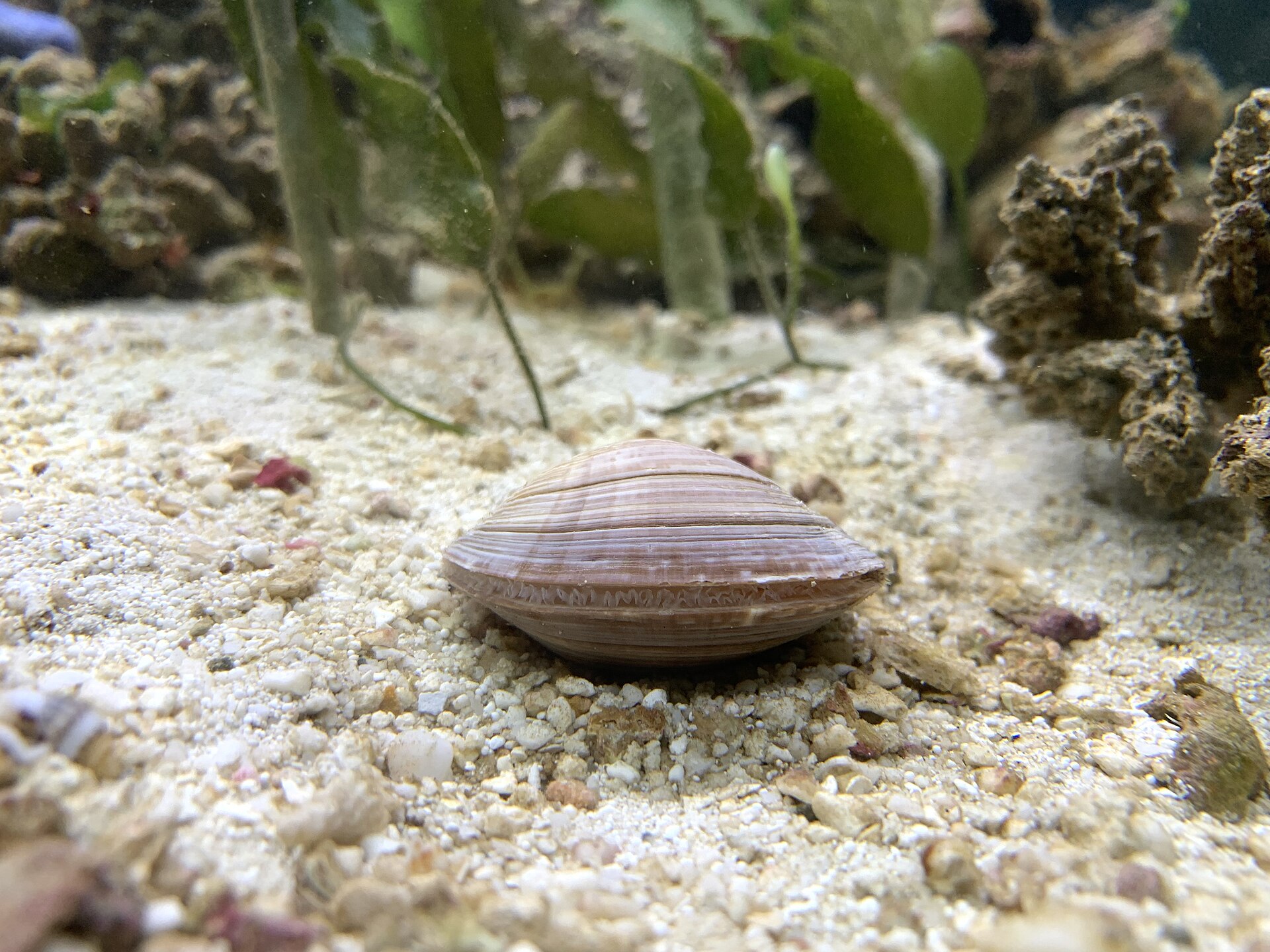
The report, which combines environmental and economic analysis of decommissioning across UK waters, also found that more than 31,000 kilometres of pipelines stretch across UK seas – passing through some of the country’s most important marine habitats. More than 1,700 kilometres of that network run through two protected marine areas alone, waters that are home to harbour porpoises and the threatened ocean quahog clam.
As infrastructure ages, the risks compound. Toxic contaminants accumulating inside pipelines – including mercury, lead and radioactive material – can leach into surrounding waters, damaging the nervous systems of marine wildlife, disrupting reproduction, and triggering ecosystem-wide decline. Delayed decommissioning, the report warns, could allow methane leakage and chemical contamination to continue for decades.
“UK seas are home to extraordinary wildlife,” said Hugo Tagholm, Director of Oceana UK. “They are also criss-crossed by pipelines, potentially leaching toxic chemicals, that cover a distance equivalent to 38 round trips to the International Space Station.
“Without timely and effective decommissioning, this growing legacy of infrastructure risks becoming a ticking timebomb for UK seas. Our ocean is not a rubbish dump. It is a vital part of our life support system. The Energy Independence Bill promises the end of new oil and gas and the UK now also has the chance to lead the world in how it manages the transition away from fossil fuels. Effective decommissioning, paid for by the companies that have been extracting billions of pounds of profit from our seas for decades, is a clear-sighted strategy to a fair and prosperous end to oil and gas in UK waters.”

In other news



The findings arrive as ministers prepare the Energy Independence Bill, which is expected to legislate for an end to new oil and gas licences in UK waters. Oceana argues the legislation presents a critical opportunity not only to draw a line under future extraction, but to confront the environmental legacy of decades of offshore industry — and to do so in a way that generates substantial economic benefit.
Accelerated decommissioning, analysis cited in the report suggests, could support 25,000 jobs across the UK supply chain, including extending the careers of around 15,000 existing offshore workers, while delivering lasting economic benefits for coastal communities dependent on the offshore sector.
Public sentiment appears to be firmly behind action. YouGov polling commissioned by Oceana UK found that nearly two thirds of British adults are concerned about the impact of oil pollution on UK waters, while 77% support government action requiring oil and gas companies to remove offshore infrastructure once it reaches the end of its operational life.
The report calls on the government to maintain its commitment to ending new oil and gas licences, hold industry financially accountable for cleaning up its own infrastructure, and invest in the workforce and supply chains required to build a world-leading decommissioning industry.
The message, in essence, is that the companies that have spent decades extracting profit from UK waters should bear the cost of leaving them clean.


"*" indicates required fields
Printed editions
Current issue
Back issues


Enjoy so much more from Oceanographic Magazine by becoming a subscriber.
A range of subscription options are available.