What can medieval herring teach us about Baltic Sea fisheries?
A 450-year dataset shows the 16th-century collapse of the Baltic's Skanör-Falsterbo herring fishery was driven by overfishing, climate cooling and economic upheaval combined, with lessons for today's fragile western Baltic stock.
The sudden collapse of one of medieval Europe’s most important fisheries cannot be explained by overfishing alone, according to new research that draws on some 450 years of catch records from the Baltic Sea.
Using a data-set that many can only dream of, the study – now published in Nature Sustainability – examined the fall of the Skanör-Falsterbo herring fishery in the Sound, the strait between Denmark and Sweden.
From the 13th to the 16th century, salted herring from the fishery was among northern Europe’s most valuable trade goods, feeding large parts of the continent. Around 1570, it collapsed within a short period, with far-reaching consequences for trade, politics, and society.
It took almost 400 years – until the 1950s – for comparable catch volumes to be reached again.
An international team of fisheries economists, ecologists, and historians – led by Kiel University (CAU) and the German Centre for Integrative Biodiversity Research (iDiv) – set out to establish why a fishery that had been stable for centuries failed so abruptly.
The conclusion drawn in the study is that ‘no single factor was responsible.’
“Only when you look at climate, ecology and socio-economic conditions together does a coherent picture of this historic collapse emerge,” said the report’s first author, Dr Rudi Voss, fisheries economist at iDiv and CAU. “None of these factors alone would have brought the fishery down. It is their interplay that explains the dynamics.”

In other news

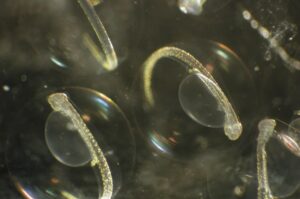
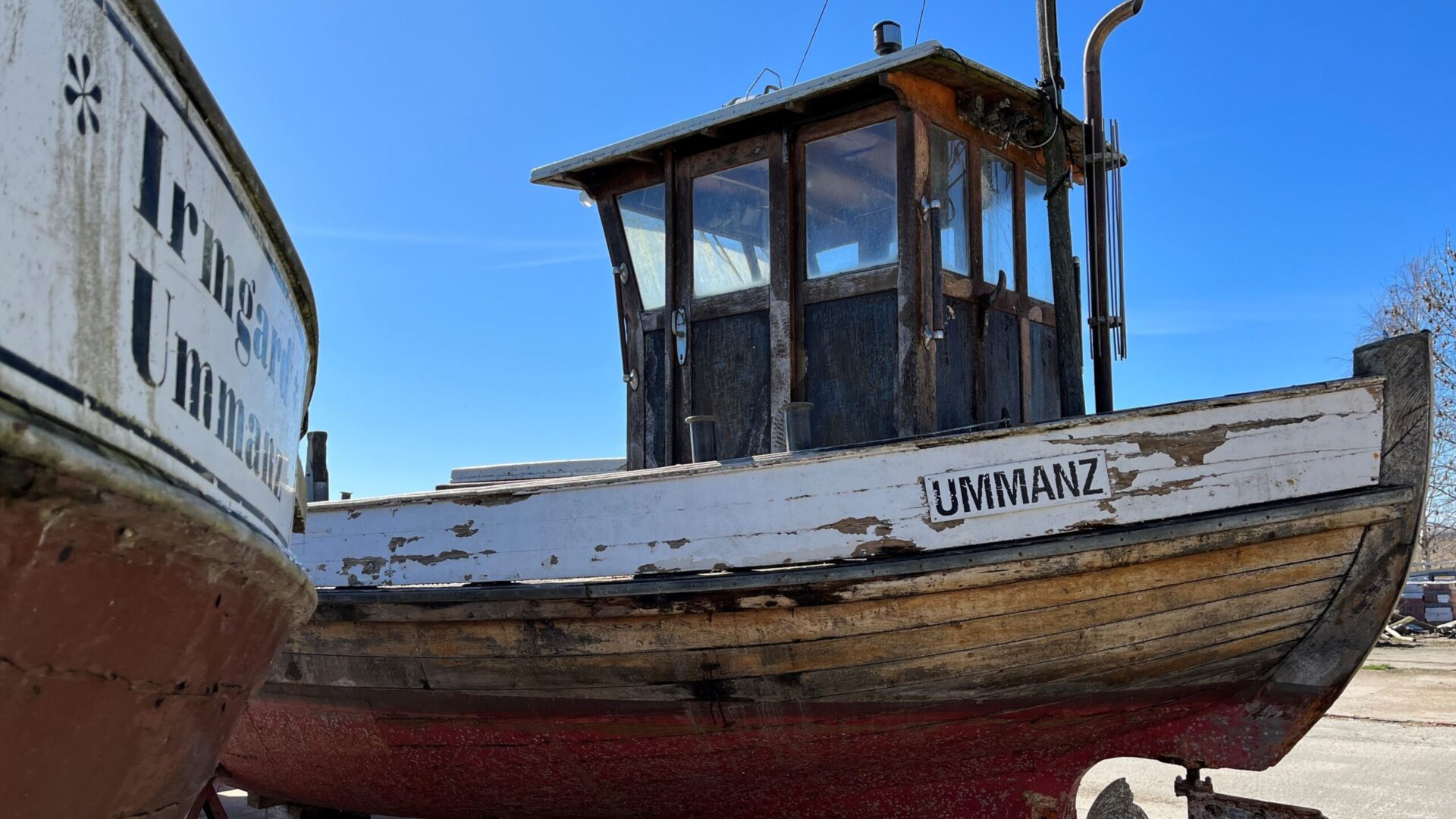
The research rests on an extraordinary dataset. This is a 450-year time series of herring catches in the Sound, covering 1200 to 1650, reconstructed from fragmentary historical sources, including customs records, royal pre-emption rights known as ‘kongekøb’, and other archival material documenting trade volumes for individual years and locations.
Gaps were filled using economic and ecological indicators, such as the availability of salt, the most important production factor for the herring industry at the time, alongside reconstructed climate data. The result extends far beyond modern stock time series, which typically span only a few decades, and allowed the researchers to trace how climate change, economic crises, and overexploitation played out and reinforced one another over centuries.
The picture that emerged from the process is one of converging pressures. Overfishing had already weakened the stock and pushed up fishing costs. The onset of the Little Ice Age then brought cooling to the Baltic region, affecting the stock’s productivity and reducing it further. At the same time, social and economic conditions deteriorated: fishing-site infrastructure was destroyed by shifting dunes while a newly imposed system of serfdom – tying peasants to the land – deprived the fishery of workers.
Finally, cheaper herring from the rising North Sea fishery pushed Baltic herring out of the market.
Today, herring in the western Baltic Sea lies outside of biological safe limits and is on the brink – once again – of collapse. In fact, a zero catch recommendation is already in place. And although the stock in question is a different one, the study’s authors note that in both cases environmental conditions – in addition to fishing pressure – are hindering recovery.
In the 21st century, it is the warming of the Baltic Sea driven by climate change that is acting as an additional stressor upon the fishery.
The paper therefore argues that assessing a fishery on biological stock data alone risks overlooking crucial risk factors. Their work supports Ecosystem-Based Fisheries Management, which considers ecological and socio-economic factors together.
“Looking back at history makes it clear: sustainable fisheries only succeed if we take social and economic conditions just as seriously as the state of the stock itself. That is the lesson from 450 years of herring fishing in the Sound – and it is just as relevant today as it was then,” said Voss.


"*" indicates required fields
Printed editions
Current issue
Back issues
Enjoy so much more from Oceanographic Magazine by becoming a subscriber.
A range of subscription options are available.