WWF Canada provides starkest picture of wildlife loss to date
From the grizzly bear to blue whales, Canada’s vast and diverse ecosystems are home to a wide array of wildlife. Human activity, however, is now damaging species’ habitats and triggering ripple effects that are threatening their survival.

Biodiversity in Canada has suffered the most severe average decline in the size of monitored wildlife populations since records first started to be kept some 20 years ago, with the suggestion that more than half the species studied by the assessment are decreasing in abundance.
All documented in its World Wildlife Fund Canada’s Living Planet Report Canada (LPRC) 2025: Wildlife at Home, the Canadian arm of the environmental NGO has issued a stark warning that – on average – every species group included – spanning birds, fish, mammals, reptiles and amphibians – is trending in the wrong direction.
From the grizzly bear to blue whales, Canada’s vast and diverse ecosystems are home to a wide array of wildlife. Human activity, however, is now damaging species’ habitats and triggering ripple effects that are not only threatening their survival, but the ecosystems we all rely on.
“In nature, everything is connected. The degradation of a habitat or loss of a single species can echo far beyond it. Once a population is declining, the trends become harder to reverse,” said Megan Leslie, president and CEO of WWF-Canada.
“The findings of the Living Planet Report Canada are nature’s warning light, and it’s telling us wildlife and their habitats are threatened. This warning also gives us an opportunity to turn things around before it’s too late. It’s imperative that we act now to protect and restore the nature that not only sustains wildlife, but also the heart of our economies.”
The biggest species declines were seen in grassland habitats, where wildlife populations declined by 62% on average since 1970. In forests, mammal populations declined by 42% on average over the last five decades. Throughout Canada, species of global conservation concern – those found on the IUCN Red List of Threatened Species – saw their populations decline by 43% on average.
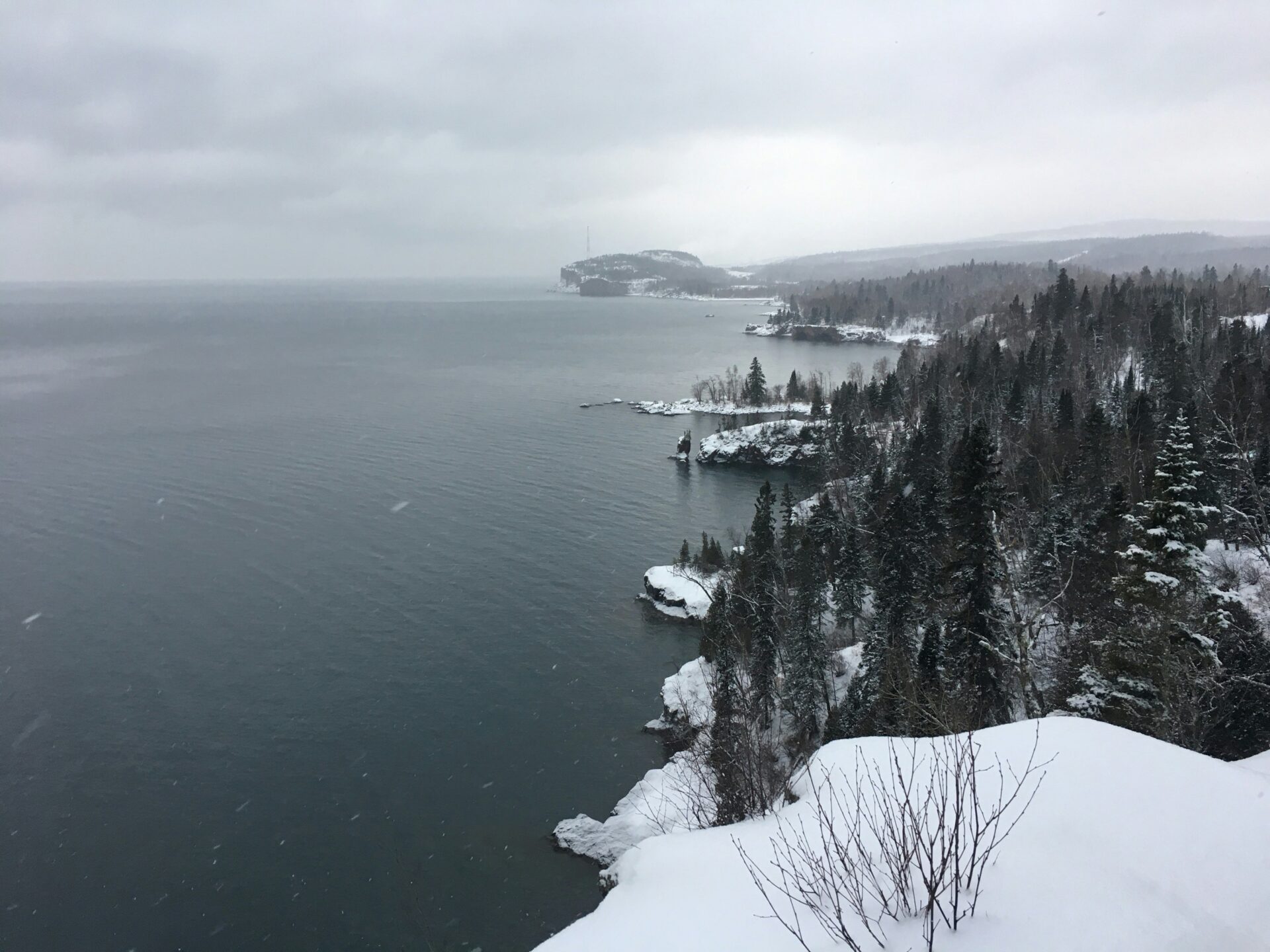
Across Canada’s marine and coastal ecosystems, the image is less bleak but still of a concern, indicating a more stable trend of minus 4% on average since 1970. With an expansive coastline – the longest in the world – Canada’s marine and coastal areas support diverse ecosystems spanning salt marshes, eelgrass beds, and kelp forests.
In other news

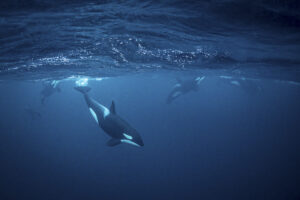
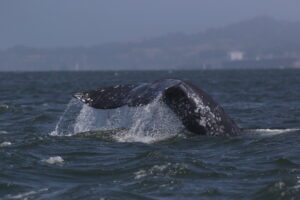
Highlighted within this year’s report is the need for greater protections for one of Canada’s most iconic residents, the blue whale. The largest animal on Earth, the blue whale had all but disappeared from Canadian waters due to high levels of commercial overexploitation prior to the commercial whaling ban in 1972.
While other whale species have shown evidence of recovery since the ban, the legacy effects of whaling on blue whale populations in Canadian waters are still not fully understood. There has been limited recovery in blue whales despite decades of protection afforded through legal instruments. Yet, there is evidence of recovery outside Canadian waters, providing hope for the marine mammal, the report highlights.
“It is imperative to continue addressing the ongoing threats throughout the entirety of the blue whale’s range, including high-risk threats such as noise from ships,” it warns.
The report’s findings are based on the current Canadian Living Planet Index, which itself relied on 5,099 population records for 910 mammal, bird, amphibian, reptile, and fish species from 1970 to 2022. The report has been issued at a pivotal time – just five years from the deadline for Canada to reach its 2030 targets set in the Kunming-Montreal Global Biodiversity Framework and Canada’s Nature Strategy.
It also follows the passing of new legislation, federally and provincially, which have given governments sweeping new powers to fast-track major infrastructure projects by bypassing environmental safeguards and legal protections for species at risk.
“Even in a nature-rich country like Canada, wildlife is struggling,” said James Snider, VP of Science, Knowledge and Innovation at WWF-Canada. “The trends uncovered in the Living Planet Report Canada show populations are continuing to head in the wrong direction. The longer we take to respond, the steeper the decline will become.
Following five decades of persistent declines in wildlife populations, Snider has argued that “now is not the time to walk back protections for wildlife and habitats.” Instead, Canada has a “growing responsibility to scale up efforts to restore, protect and steward what remains of species’ habitats, their homes.”


"*" indicates required fields
Printed editions
Current issue
Back issues
Enjoy so much more from Oceanographic Magazine by becoming a subscriber.
A range of subscription options are available.
