Winners Gallery
1st place Ocean Portfolio Award
Miguel Serrano Ruiz Baja California Sur, Mexico
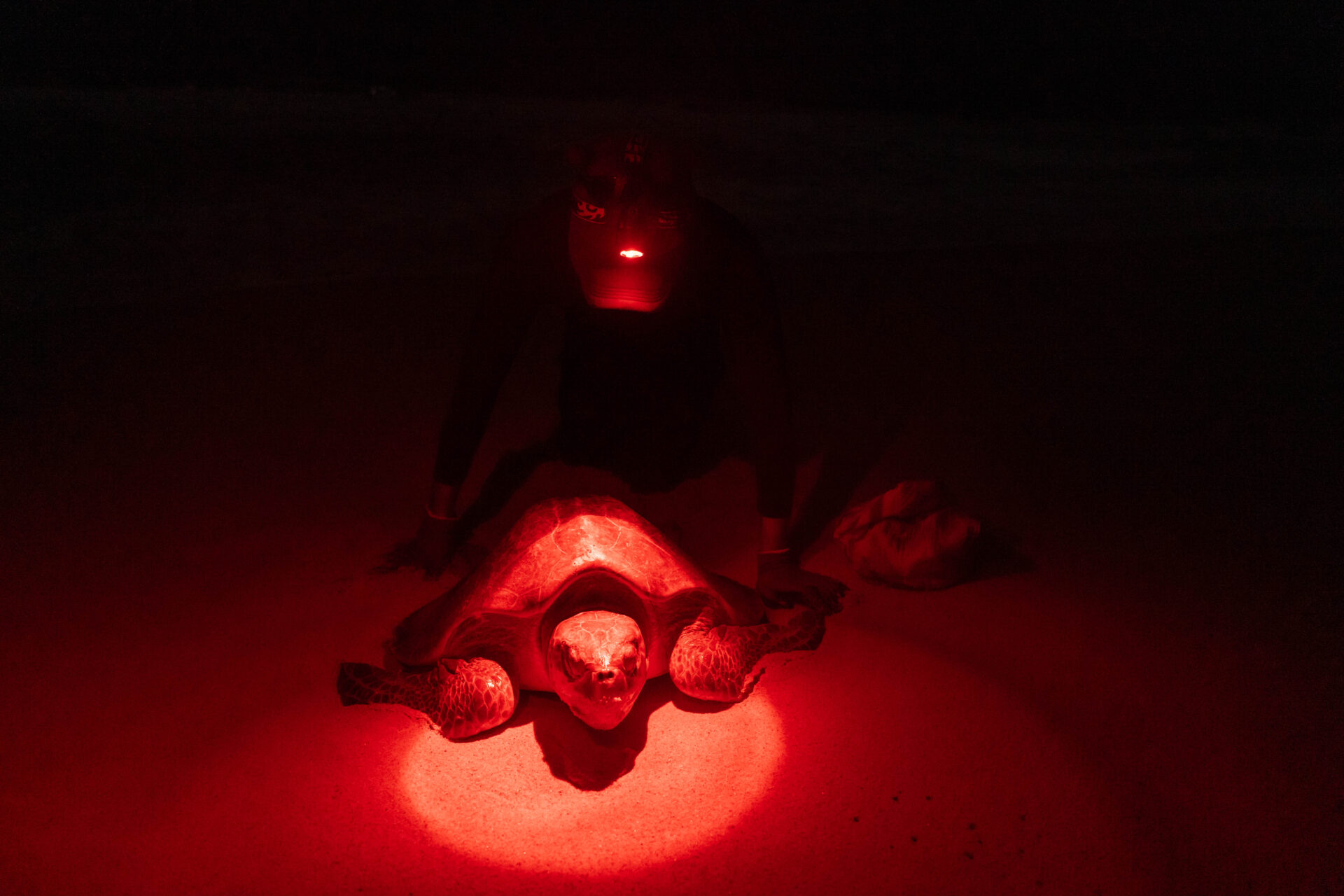
On El Suspiro Beach, conservationist Israel Oblea protects eggs laid by an olive ridley sea turtle. The exhausted turtle has begun nesting too close to the water without digging a deep enough nest to protect her eggs. As the tide rises, waves threaten to wash them away. Israel prepares to move the eggs to safety, showing the hands-on work needed to protect vulnerable nests during the sea turtle nesting season.
All of Miguel's Collective Portfolio Award entry
Click on image to view details
BEHIND THE LENS
ABOUT THE IMAGE
- SONY A7III
- Sigma 24 - 70mm 2.8 DG DN Art
- 1/30, F/2.8, ISO 12800
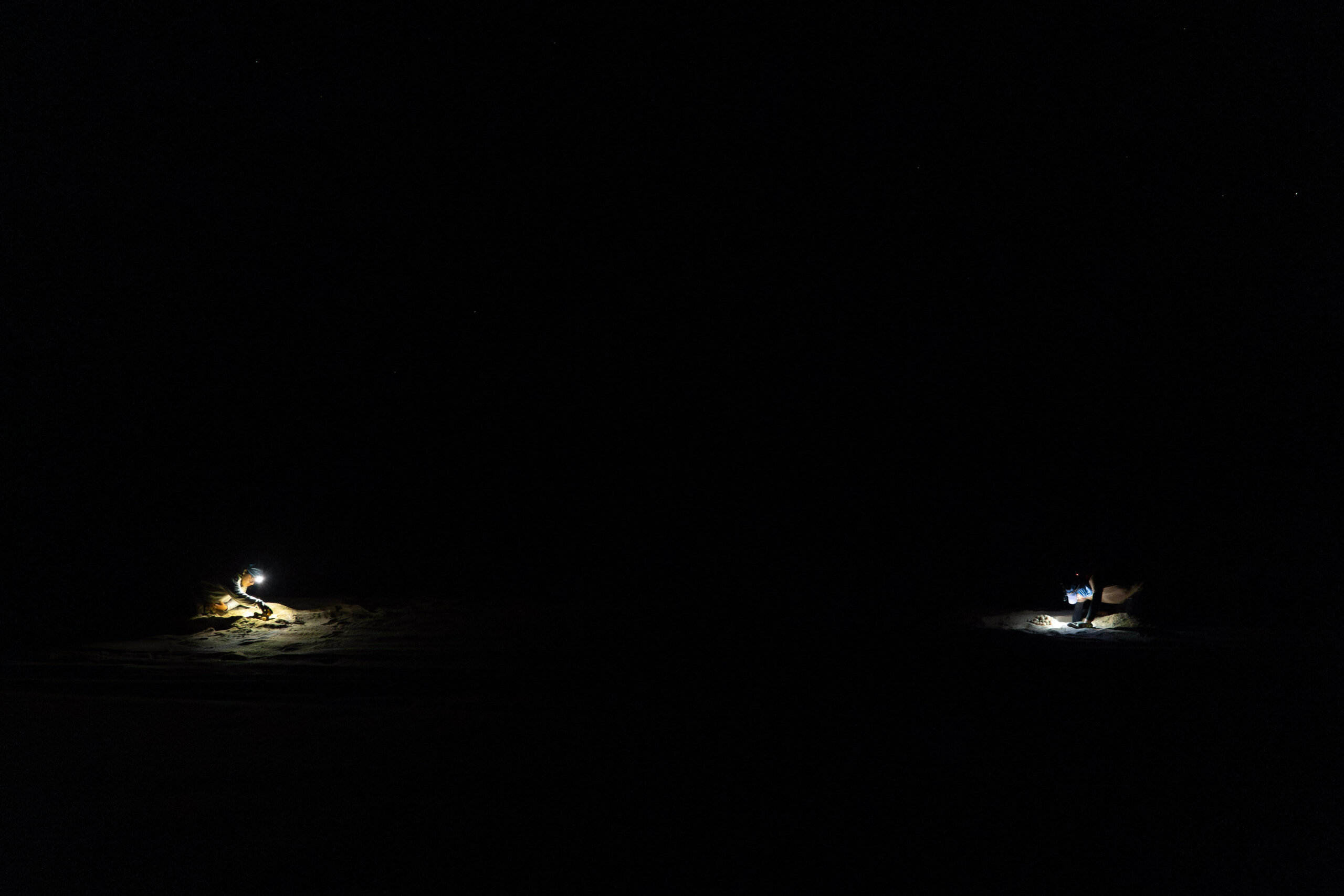
In the darkness, conservationists carefully dig by hand to recover sea turtle eggs. Working through the night on an empty beach, they search for nests that might otherwise be lost to predators or illegal poaching. Each nest can contain around 100 eggs, which are incubated for 45-60 days before hatching. The small figures against the vast beach reflect the quiet, demanding work carried out night after night to give these young turtles a better chance of survival.
BEHIND THE LENS
ABOUT THE IMAGE
- Sony A7III
- Sigma 35mm 1.4 DG Art
- 5, F/2.2, ISO 400
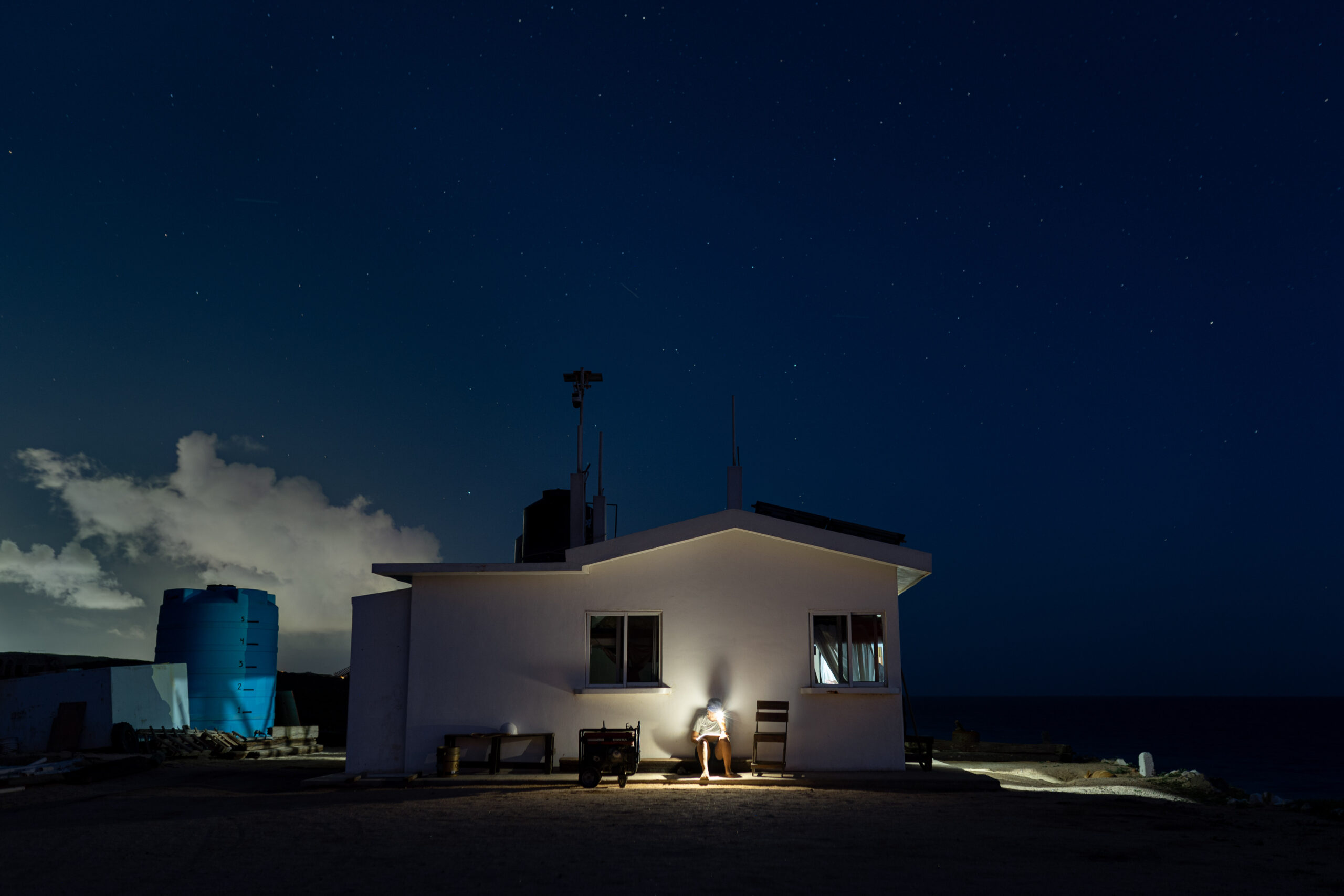
Deira Gordillo records nesting and hatching data for Mexican environmental authorities. During nesting season, the team patrols the beach every night, from 2:30 am until after sunrise. Because of the workload and limited help, the team remains isolated and only leaves the site four days each month. Gordillo stepped outside the shared cabin to find a quiet moment alone.
BEHIND THE LENS
ABOUT THE IMAGE
- DJI Mavic Mini Pro 3
- 1/2000, F/1.7, ISO 100
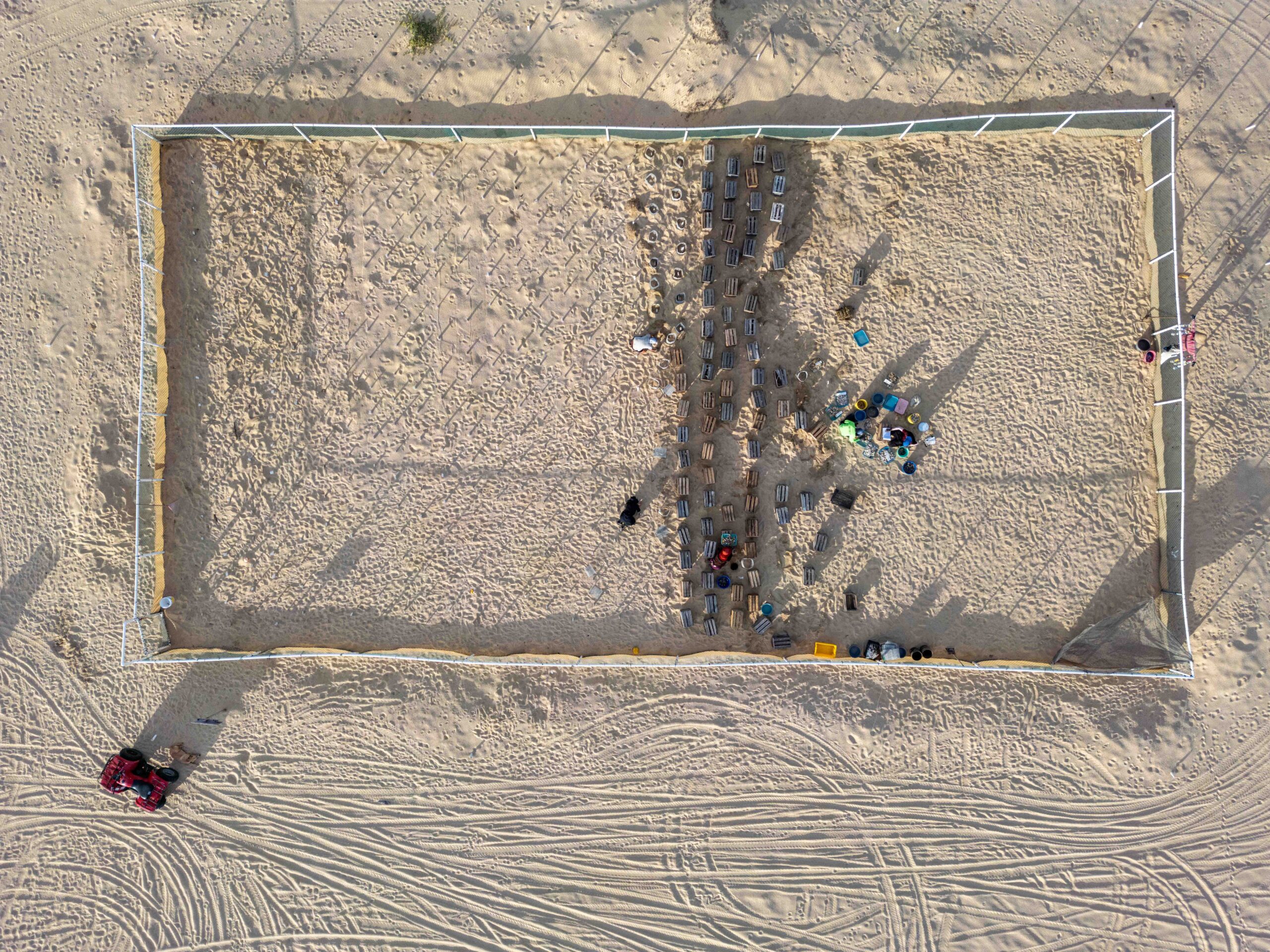
During the day, ASUPMATOMA’s field team carries out maintenance and nest monitoring. To the left of the wooden boxes are rows of nests that have not yet hatched. This is one of two protected hatchery enclosures, each capable of holding up to 600 nests.
BEHIND THE LENS
ABOUT THE IMAGE
- Sony A7III
- Sigma 24-700mm DG DN Art
- 1/2500, F/3.5, ISO 200
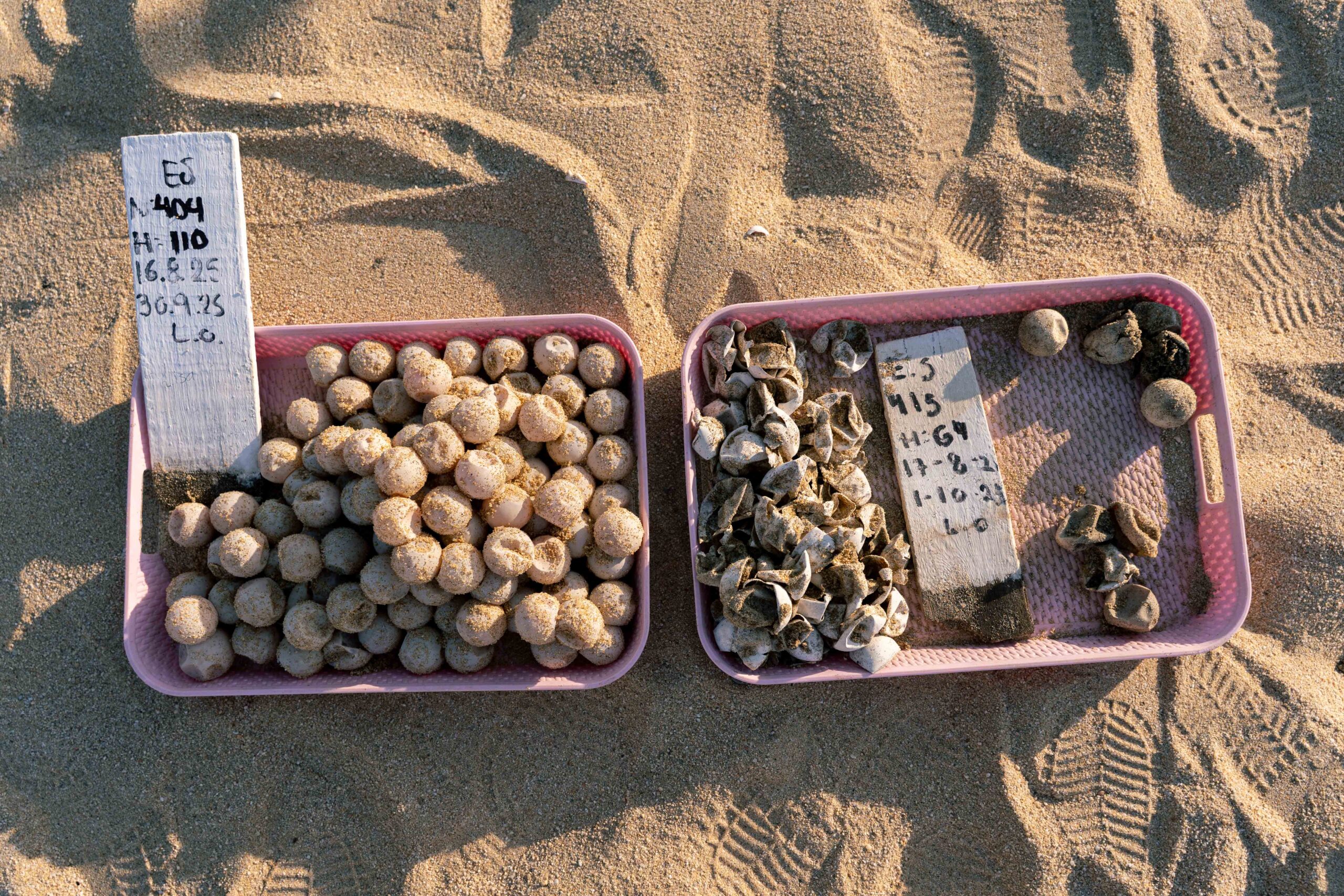
During nest inspections, all remaining leftovers are collected and documented. The tray on the left contains unhatched eggs, while the right shows empty shells from hatchlings that successfully emerged. Wooden boards are used to tag nests, recording the location code, nest number, egg count, laying date, hatching date and species.
BEHIND THE LENS
ABOUT THE IMAGE
- Sony A7III
- Sigma 24-70mm DG DN Art
- 1/200, F/5.0, ISO 250
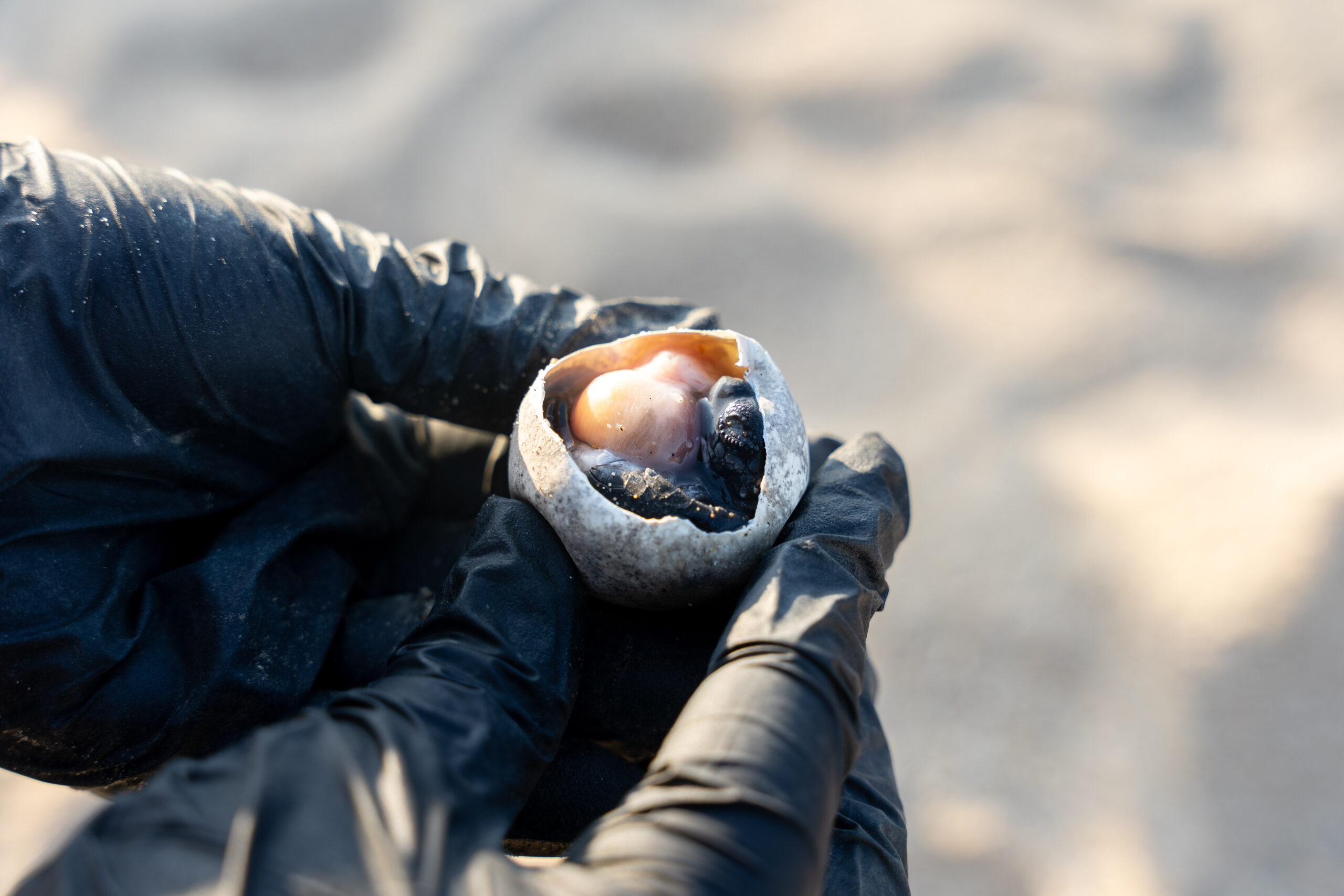
A marine biologist examines an embryo inside an unhatched egg. Elevated sand temperatures, exacerbated by global warming, can cause developmental disorders in embryos, preventing them from hatching.
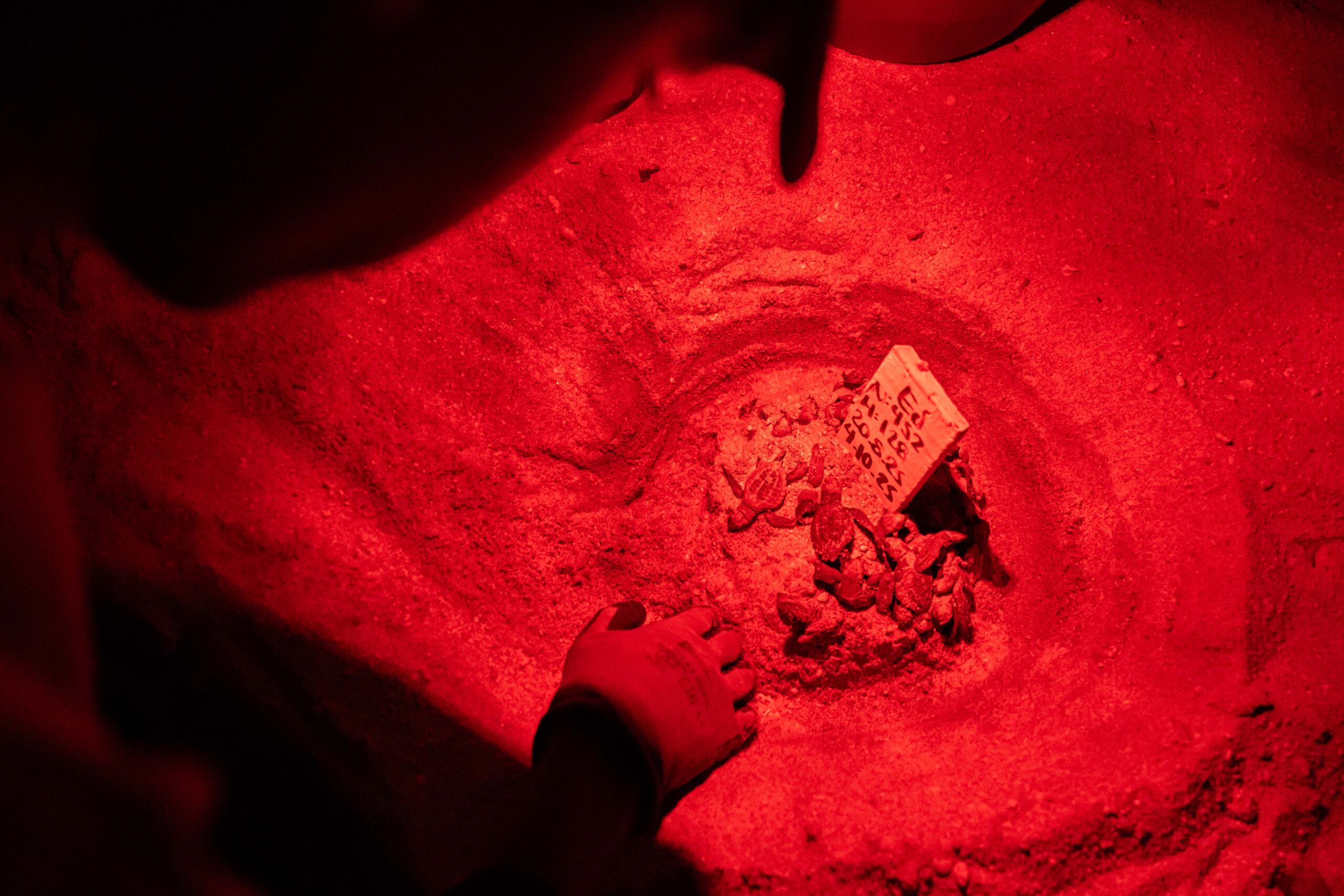
BEHIND THE LENS
ABOUT THE IMAGE
- Sony A7III
- Sigma 24-70mm DG DN Art
- 1/60, F/3.5, ISO 8000
Israel Oblea watches as olive ridley hatchlings begin to emerge from a nest inside a protected hatchery enclosure. In sea turtles, sex is determined by incubation temperature. In recent years, rising temperatures have contributed to a global imbalance biased toward females, affecting reproductive rates.
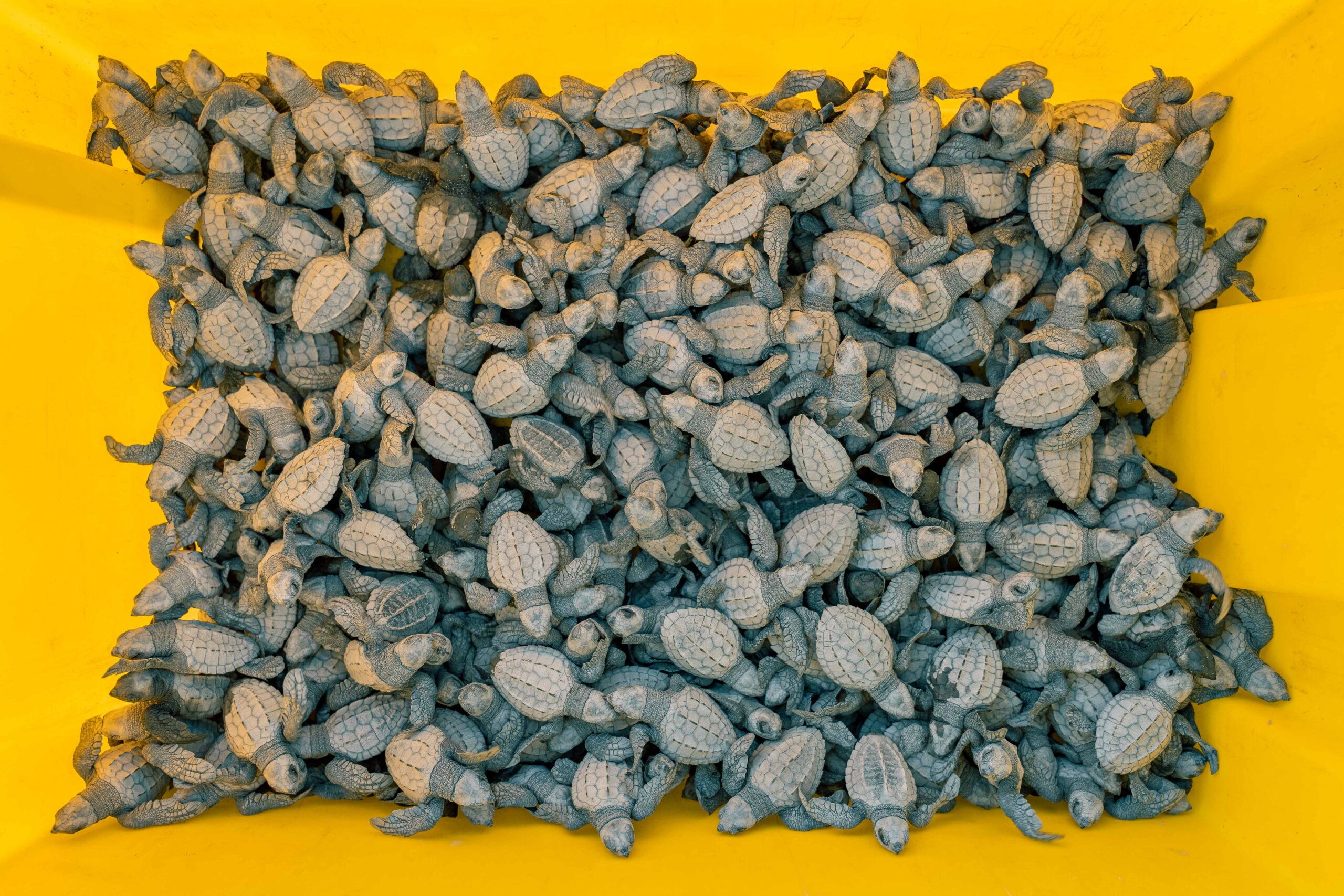
BEHIND THE LENS
ABOUT THE IMAGE
- Sony A7III
- Sigma 24-70mm DG DN Art
- 1/250, F/4.5, ISO 800
Hatchlings gather before being released into the sea. At birth, sea turtle hatchlings experience a burst of energy known as a “swimming frenzy,” a biological response that helps them reach the ocean and swim afterwards. Visually, this is one of the most striking photographs in the series because it initially suggests abundance and success. However, it is estimated that only one in every thousand hatchlings survives to adulthood.
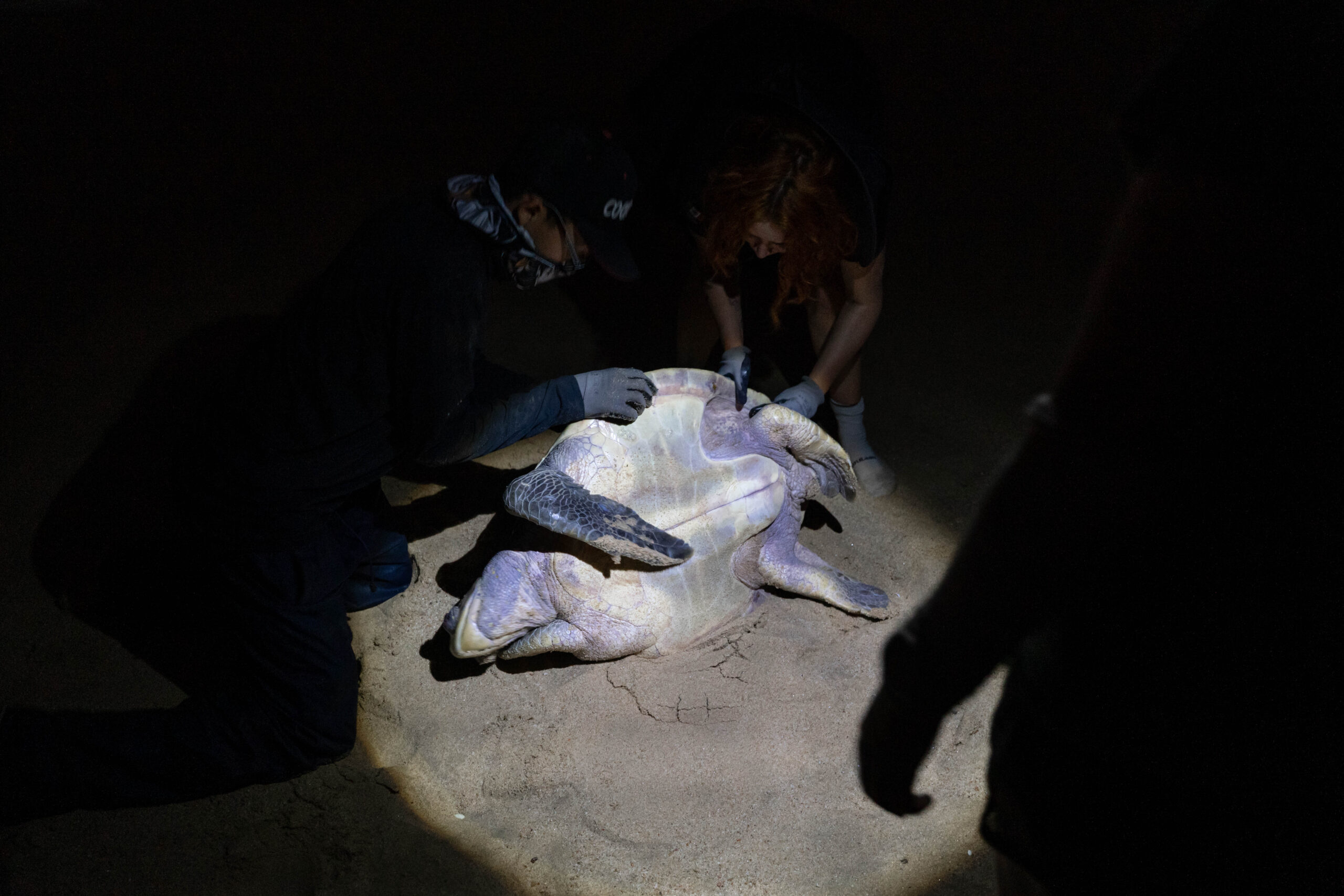
BEHIND THE LENS
ABOUT THE IMAGE
- SONY A7III
- SIGMA 24-70MM DG DN ART
- 1/30, F/4.0, ISO 4000
Volunteers examine the body of a dead olive ridley sea turtle. In one week, six turtles were found stranded shortly after a shrimp boat operated just offshore from the nesting beach. Shrimp are a primary food source for the olive ridley, often putting them in the path of trawl fishing. This was one of the most difficult moments of the entire project. After spending weeks witnessing these animals return to the beach, lay their eggs and struggle through the nesting process, finding several dead turtles on the same stretch of coast was devastating.
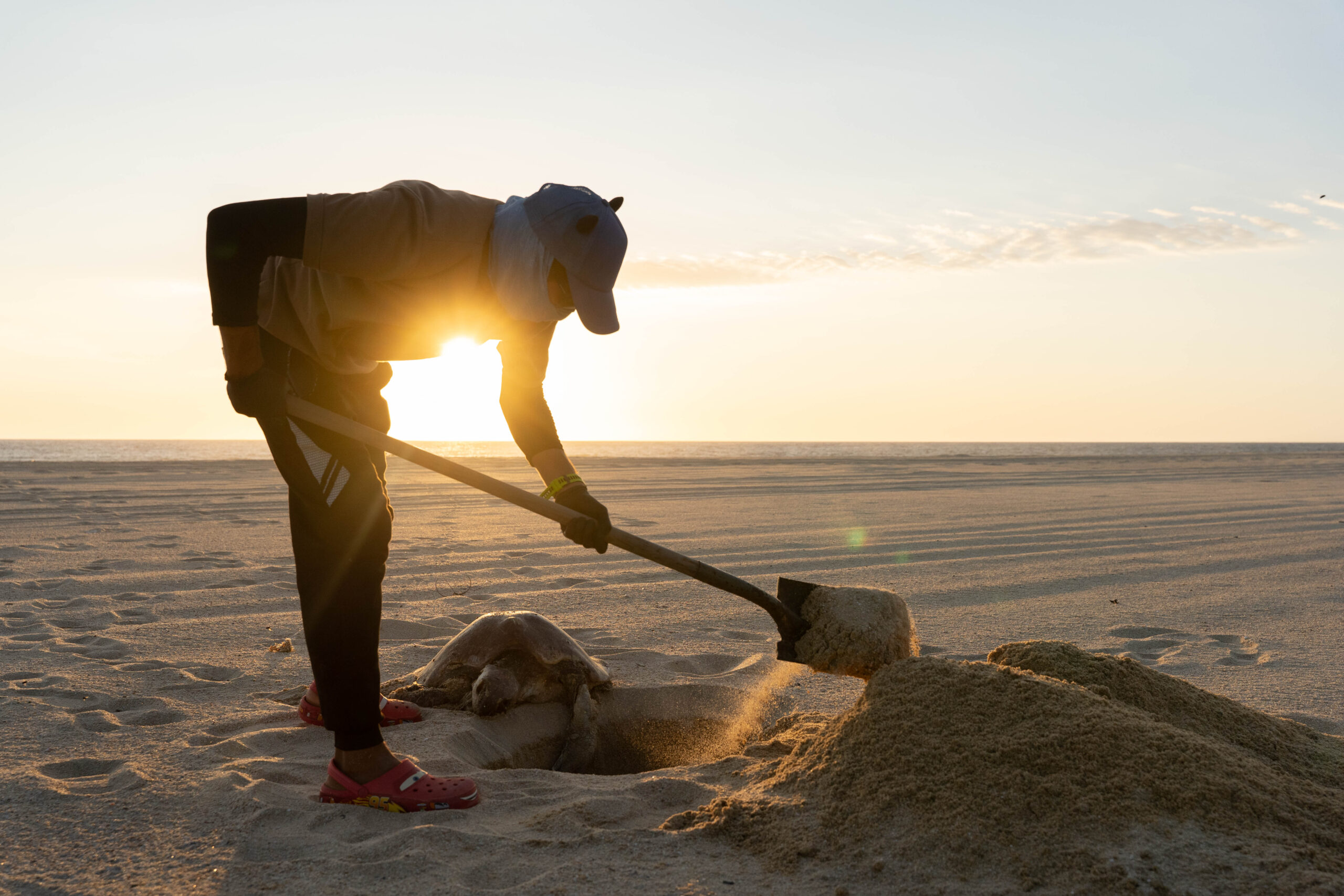
BEHIND THE LENS
ABOUT THE IMAGE
- Sony A7III
- Sigma 24-70mm DG DN Art
- 1/2000, F/5.0, ISO 800
A conservationist digs a grave to bury a turtle. Every stranded turtle was reported by the camp to the Mexican authorities. Depending on the circumstances, inspectors could be sent to assess the animal before it could be buried. The burial is carried out to prevent the spread of bacteria and disease. Six of the seven sea turtle species worldwide are listed on the IUCN Red List of Threatened Species.
BEHIND THE LENS

Miguel Serrano Ruiz Mexico
ABOUT THE IMAGE
- Sony A7III
- Sigma 24-70mm DG DN Art
- 1/100, F/3.5, ISO 3200
Miguel SR is an independent documentary photographer and filmmaker focused on social and environmental stories. He studied Journalism and Audiovisual Communication in Madrid before leaving Spain in 2022 to pursue an independent career documenting stories around the world. His work has been published by National Geographic España and África Mundi, and his documentary El Vuelo de la Mariposa has surpassed 695,000 views on YouTube. His independent documentaries are freely available on YouTube, where he aims to bring every story to audiences around the world. His recent work has focused on marine conservation in Baja California Sur, Mexico, including Ecos del Mar, a documentary about sea lion rescue, and his ongoing photographic and documentary project on sea turtle conservation.
Reconnect. Immerse yourself. Be inspired.
Enjoy the vibrancy, beauty and impact of each year's finalist photography, celebrated in our Ocean Photographer of the Year coffee table book collection.