"A political failure": Half of UK's critical fish stocks face depletion
In one of the most comprehensive analyses of fish stocks since Brexit, a report from Oceana UK has revealed that half of the ‘top ten’ commercial fish stocks - those relied on most heavily by UK fishers - are now in a critical state of depletion facing collapse.

Overfishing and the UK Government’s continued failure to set limits on the quantities of fish stocks caught has pushed many of the UK’s most important fish populations towards collapse, including – as has been most recently reported – North Sea cod and mackerel.
In one of the most comprehensive analyses of fish stocks since Brexit, a new report issued by the environmental NGO, Oceana UK has revealed that half of the ‘top ten’ commercial fish stocks – those relied on most heavily by UK fishers – are now in a critical state of depletion.
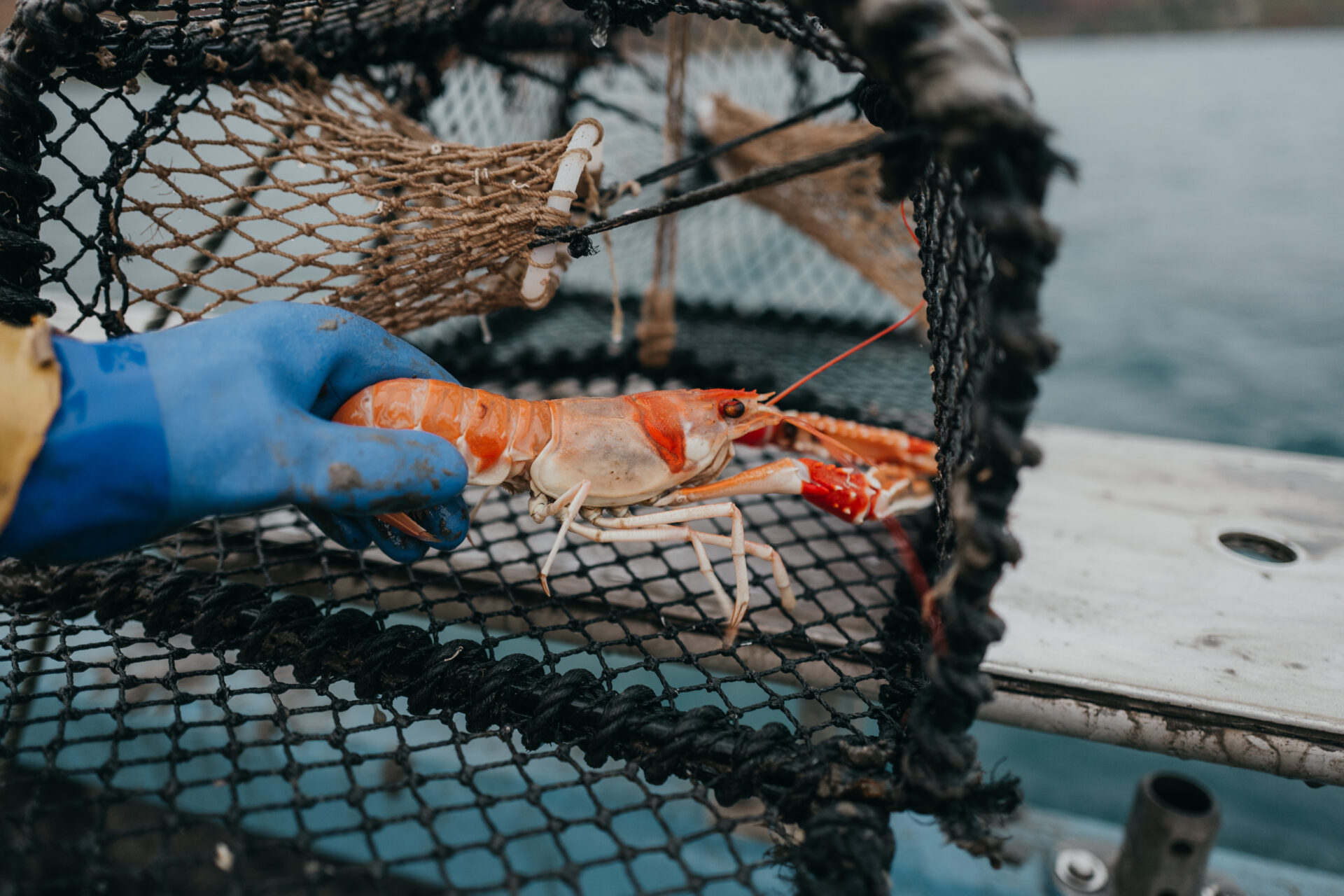
North Sea cod, North Sea herring, North East Atlantic mackerel, and Southern North Sea edible crab are all in a dire condition being currently overexploited. Yet, despite the repeated warnings from scientists, ministers continue to set ‘total allowable catches’ for many stocks above sustainable levels, risking the collapse of these populations and threatening the livelihoods of coastal communities and the health of UK seas.
Last month, the international body providing scientific evidence for fish catch regulation – the International Council for the Exploration of the Sea (ICES) – advised that the state of crisis is such for stocks of North Sea cod that a zero catch limit is needed to safeguard the future of the cod fishery. Just a week later, it advised that safe catch limits on North Sea mackerel ought to be 70% less than the previous year.
Based on ICES and Cefas alongside other government sources, the Oceana UK report – Deep Decline – also flags that one sixth of all UK commercial stocks are now critically depleted, yet continue to be overexploited. Despite the scientific evidence, catch limits for many stocks – including all five worst performing populations – exceeded safe catch levels in 2025.
Hugo Tagholm, executive director of Oceana UK, said: “Overfishing is not an unavoidable tragedy – it is a political choice. Ministers ignore the science time and time again and our seas are paying the price. Five years after becoming an independent coastal state, the UK seems to have accepted a state of relentless decline. Where is the legal accountability for this failure?”
The report from Oceana UK comes with the urgent call for a plan to end overfishing that not only “follows the science” but “puts our seas on a long-term path to recovery”. Alongside the losses, the report showcases that recovery is possible when political decisions follow the science.
In other news

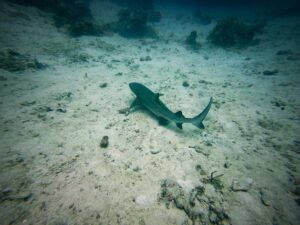

The UK’s best performing stocks – including West of Scotland haddock, Western Channel sole and North Sea plaice – have remained healthy and sustainably fished since 2020, in large parts thanks to catch limits set in line with scientific advice.
“In stark contrast, catch limits for three of the five worst-performing stocks have been set above scientific advice for five consecutive years,” said Tagholm. “Not once since the current ‘total allowable catch’ system began have even half of UK catch limits been aligned with scientific advice, according to the UK Government’s own fisheries advisers.
“Ministers must act now to redefine the future of fishing so that those that fish in harmony with nature are prioritised over those that devastate our seabed and empty our seas.”
When it comes to fishing activities across the regions, there are some severe disparities. The Irish Sea is the worst affected, with overfished stocks rising from 27% in 2020 to 41% today, while the Celtic Sea faces similar risks, with one-third of stocks overfished to critically low population sizes.
Most notably, the 2024 quota for Celtic Sea cod actually exceeded the estimated number of adult fish left in the area.
Alec Taylor, director of policy and research at Oceana UK, said: “The UK currently has no overarching recovery plan or legally binding timeframe to end overfishing. It’s why we are urgently calling on leaders in government and devolved administrations to deliver the strategy to end overfishing by the end of 2026, put in place that legal deadline to rebuild fish stocks, and set all catch limits in line with the science by the end of 2025.”
There is – pointedly – a direct call to reform public money being spent on overfishing. Taylor has highlighted that around £120 million in UK taxpayer money is being put into overfishing; most of this to support trawling, a destructive form of fishing by which large nets are dragged across the seabed.
“Our seas are already at risk from oil, sewage, and agri-chemical pollution; habitat destruction; and the climate crisis,” said Professor Callum Roberts, Professor of Marine Conservation at the University of Exeter. “We need to move away from brute extraction, regardless of collateral damage, and set a new course to make fishing fair, evidence-based, and above all sustainable, so that it works within nature’s limits.”
Oceana UK’s report, Deep Decline: State of the UK’s Fish Populations 2025 is available to read online now. The NGO is encouraging UK citizens to write to their MP and to the Prime Minister in a unified call to end overfishing now. Add your name to the petition here.


"*" indicates required fields
Printed editions
Current issue
Back issues
Back Issues
Issue 43 Sir David Attenborough’s ‘Ocean’


Back Issues
Issue 41 Holdfast to the canopy
Enjoy so much more from Oceanographic Magazine by becoming a subscriber.
A range of subscription options are available.
