Are deep-sea corals at greater climate risk than first thought?
The five-year study in the Indian Ocean aims to fill in knowledge gaps surrounding these lesser known coral reefs, which researchers say appear more vulnerable to climate change than once thought.
A five-year unprecedented analysis of deep coral reef communities in the Indian Ocean will begin next month with a primary goal to help researchers better understand the impact climate change could have on some of the world’s lesser-studied reefs.
Deep – or mesophotic – coral reefs are found at depths of between 30 and 150 metres in tropical regions. They are far less studied than coral reef communities found in shallow water corals with large gaps existing in scientific understanding surrounding their diversity, distribution and vulnerability to climate change.
The project is being led by experts in marine biology and oceanography from the University of Plymouth, with a core team that includes experts in coral reef biodiversity from Imperial College London and numerical modelling specialists from the Plymouth Marine Laboratory.
They are being supported by a grant of £3.7million from the Natural Environment Research Council, part of UK Research and Innovation.
Dr Emma Ransome, associate professor at Imperial College London said: “Coral reef research often focuses on a few charismatic groups of species, leaving the vast majority of coral reef biodiversity understudied.”
“We aim to understand the role deep reefs could play in the persistence of marine biodiversity under future climate scenarios and better protect that biodiversity for generations to come,” she added.

In other news

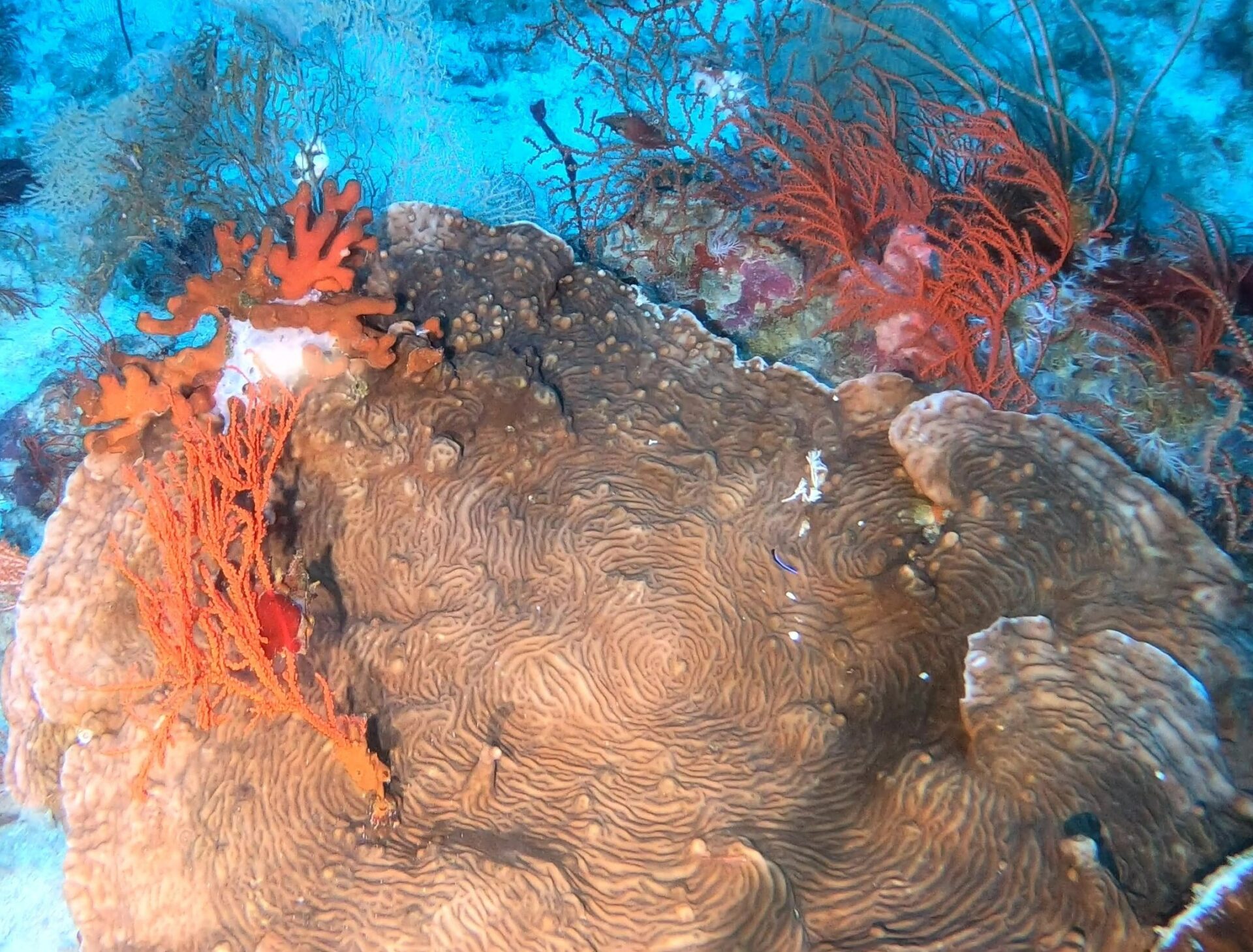
The study will mark a return to the Indian Ocean for researchers at the University of Plymouth which has previously uncovered the deepest known evidence of coral bleaching – challenging the assumption that these deeper-reef corals might be protected against this threat.
The new project will survey the biodiversity, health and different environmental metrics at locations across the Indian Ocean, with a view to better understand mesophotic coral’s thermal tolerance, and reproductive strategies.
From this, researchers hope to assess the potential for these coral reefs to sustain biodiversity under climate strain, and identify critical areas of biodiversity and vulnerability.
The project will also see scientists collaborating with organisations across the Maldives, Seychelles and Mauritius – countries that rely on a healthy ocean for food, environmental protection and economic prosperity.
Dr Philip Hosegood, Associate Professor of Oceanography and project co-lead said the project will: “Deliver a fundamental step-change in our understanding of these deeper coral ecosystems, and directly inform conservation and management plans across the Indian Ocean.”


"*" indicates required fields
Printed editions
Current issue
Back issues

Back Issues
Issue 43 Sir David Attenborough’s ‘Ocean’
Enjoy so much more from Oceanographic Magazine by becoming a subscriber.
A range of subscription options are available.
