London's Thames is a river reborn, but can it survive what's next?
The River Thames shows strong signs of ecological recovery after decades of restoration, with improved water quality and returning wildlife, but rising temperatures, pollution and climate-driven pressures threaten its fragile progress.
Once declared ‘biologically dead’, the River Thames appears to have gained a new lease of life, following the success of a decades-long project to reverse its fate and build back a more resilient river system for both the people and wildlife it supports.
According to a new health assessment, the London landmark and iconic waterway is showing strong signs of improved water quality, reduced concentrations of toxic metals, and increased levels of dissolved oxygen – all good news for supporting the return of numerous species, including harbour porpoises and wading birds.
While in its latest report, The State of the River Thames, scientists at Zoological Society London (ZSL) warn that the recovery of the waterway is still very much at the increasing risk of climate change and pollution, the river’s revival has been billed as a showcase of the power of conservation and targeted regulation.
Decades of sustained intervention – including expanded riverside walkways and restored habitats – have reshaped how Londoners and visitors now engage with the river.
Plastic cotton bud sticks – once among the most common items of litter recorded along the Thames – have nearly vanished since their sale was banned in the UK in 2022. ZSL conservationists now hope similar progress can be achieved with plastic wet wipes – another persistent pollutant in the river – which are scheduled to be banned this year.
Despite the gains made however, the report stresses the Thames remains under pressure and requires coordinated, cross-government action. The river provides essential services to the nine million people living along it, including drinking water, food, employment, flood protection, and climate regulation. These are all benefits that depend on the health of the estuary system as a whole.
Conservationist Alison Debney, ZSL Lead for UK Nature Recovery said: “The River Thames isn’t just a famous landmark flowing through the heart of the UK’s capital – it’s a lifeline for all who live along it. Every fragment of the Thames put under strain reduces the river’s resilience and threatens the vital services it provides British wildlife and the millions of people living alongside it – whether that’s providing nursery grounds for fish, securing clean drinking water, or providing an outdoor space to enjoy weekends with friends and family.
“As we enter a new year, the Thames reminds us that transformation is possible. The Thames may have been declared ‘biologically dead’ in the 1950s, but the estuary we see today demonstrates just how quickly things can change when decisive action is taken.”

In other news


Data within the report reveals a growing vulnerability driven by climate change and diffuse pollution sources, including road run-off, sewage discharges and pharmaceutical residues. Summer water temperatures in the Thames have risen by an average of 0.13°C per year since 2007 – equivalent to a 1°C increase every eight years.
Meanwhile, water levels near Tower Bridge and the Tower of London have risen by around 5mm annually since 1993, increasing the risk of saltwater intrusion upstream. Such changes threaten rare freshwater tidal habitats and the complex ecological communities they support.
Nitrate concentrations – harmful at elevated levels – have also gradually increased in the Thames and two monitored tributaries, the Rivers Lee and Darent, raising concerns about further destabilisation of the estuarine ecosystem.
It’s been five years since the release of ZSL’s first State of the River Thames report. The update draws on expertise from some 21 organisations working across the catchment and compiles the latest monitoring data from 21 key indicators to provide policymakers, conservationists, and industry leaders with a comprehensive overview of progress and remaining challenges.
Encouragingly, concentrations of toxic metals have continued to decline. Zinc levels recorded in 2024 were half those measured in 1990, while copper concentrations have fallen to a quarter of their 1990 values – now below thresholds known to damage aquatic ecosystems.
Nutrient trends present a more nuanced picture. While nitrate levels have increased over the past 35 years, phosphorous concentrations have declined since 1970. As excess nutrients can drive algal blooms that strip oxygen from the water, this reduction marks another important gain, attributed in part to upgrades at five London sewage treatment works and investment in the Lee Tunnel.
Both nutrients occur naturally but are also linked to sewage, industrial waste and agricultural run-off, highlighting the role of infrastructure investment and land-management reform.
These upgrades were followed by the £4.6 billion Thames Tideway Tunnel, fully connected to the Thames Water network in 2025. Together with the Lee Tunnel and treatment works improvements, the system is expected to intercept 95% of untreated sewage entering the tidal Thames in a typical year.
Since autumn 2024, nearly 13 million tonnes of sewage have been captured that would otherwise have been discharged into the river.
The report comes as a much-needed win for the UK government’s environmental efforts. Earlier this month, the Office for Environmental Protection issued a stark warning that the UK was off track to meet the majority of its targets to save wildlife in England, failing on almost all environmental factors.
In its report, the OEP found that seven out of ten targets set in the Environment Act 2021 have little likelihood of being met by 2030.
Last year, ZSL launched Transforming the Thames, an ambitious partnership bringing together conservationists, communities, government bodies and landowners to scale up restoration across the Greater Thames Estuary.
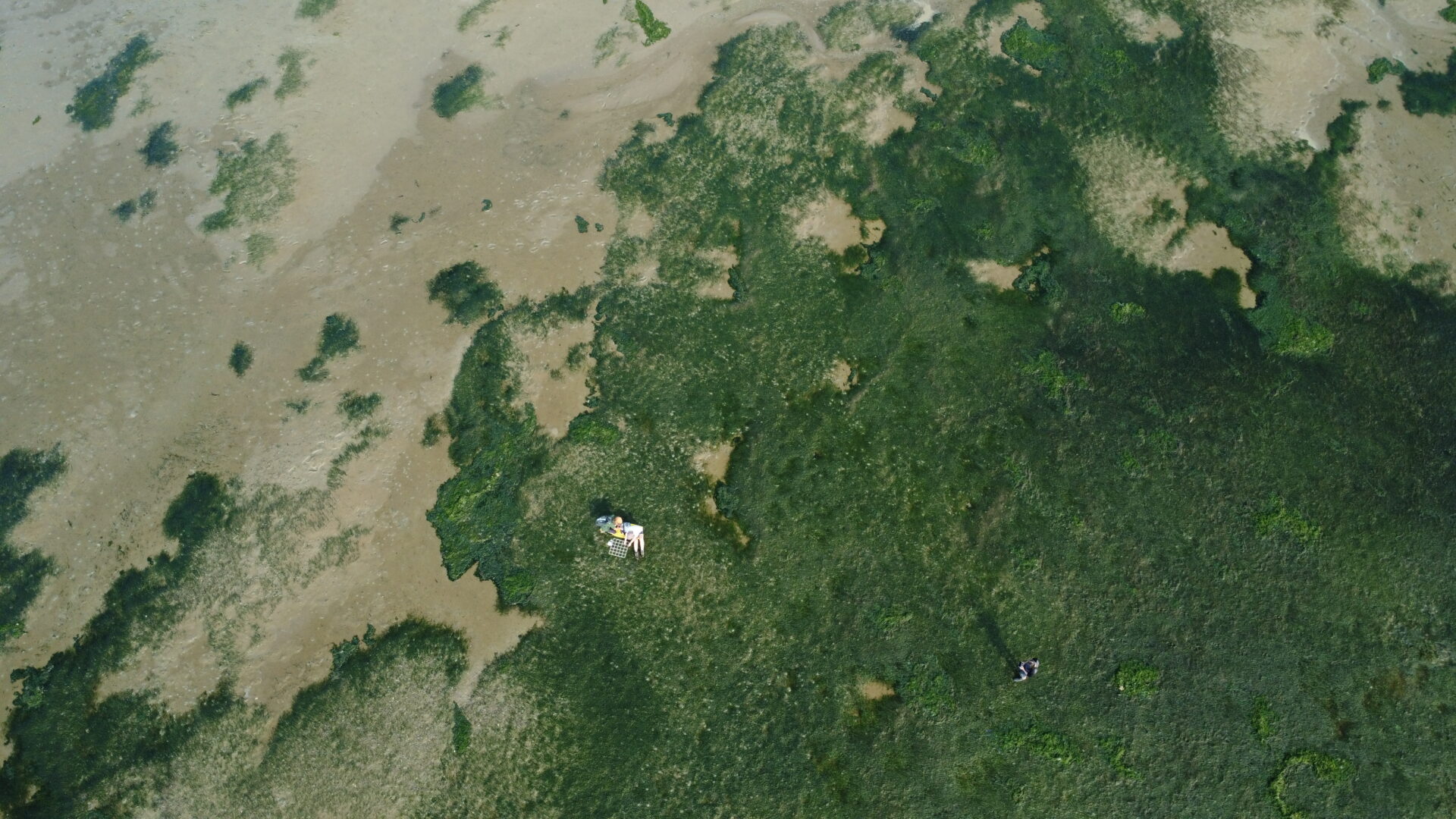
Planned interventions include oyster reef creation, seagrass meadow planting and saltmarsh restoration – habitats that provide critical nursery and nesting grounds for marine and bird species.
Charlie Wood, London Area Director at the Environment Agency said: “This ZSL report is a brilliant spotlight on the health of the River Thames and we are delighted to have contributed. It is through such monitoring and evidence that we can understand the progress made to bring the river back to a thriving state but also identify emerging threats from factors such as climate change.
“Strong regulation and steering investment in infrastructure has played a major role in the improvements we see, but the future of the Thames also relies on working in partnership across the public, private and voluntary sectors and we look forward to continuing our role in that.”


"*" indicates required fields
Printed editions
Current issue
Back issues
Back Issues
Issue 43 Sir David Attenborough’s ‘Ocean’
Enjoy so much more from Oceanographic Magazine by becoming a subscriber.
A range of subscription options are available.
