Record 40,000 birds flock to 400-year-old revived wetland
Jubilee Marsh sits within the RSPB’s Wallasea Island nature reserve in Essex, an area historically walled off from the sea for 400 years. After acquiring the island in the mid-2000s, the RSPB set out to transform the site back into a rich coastal wetland.

A decade after seawater first returned to Wallasea Island, an RSPB nature haven created from the excavated material of London’s Elizabeth line is now supporting record numbers of migratory birds. Nearly 40,000 birds arrived at Jubilee Marsh last winter – the highest count since the site was restored.
Jubilee Marsh sits within the RSPB’s Wallasea Island nature reserve in Essex, an area historically walled off from the sea for hundreds of years. After acquiring the island in the mid-2000s, the RSPB set out to transform the site back into a rich coastal wetland.
That goal was realised through a collaboration with Transport for London (TfL) during the construction of the Crossrail project. More than three million tonnes of soil from Elizabeth line tunnel excavations were transported from London to Wallasea, raising the ground and creating a landscape of new wetlands for feeding, nesting, and refuelling birds.
In July 2015, sections of the old seawall were removed, allowing the sea to flow back onto Wallasea Island for the first time in 400 years. Tides swept across newly built islands, forming lagoons and saltmarshes and reshaping the landscape into a modern, functioning estuary.
This “rewetting” not only created new habitats but also strengthened natural flood defences by helping absorb storm surges and rising sea levels.
Ten years on, the transformation is evident in the wildlife numbers alone. Last winter’s counts recorded nearly 800 Avocets, more than 10,000 Knot, and close to 3,000 Grey Plovers and Bar-tailed Godwits — part of a new record of 39,000 over-wintering birds on the reserve.
In other news
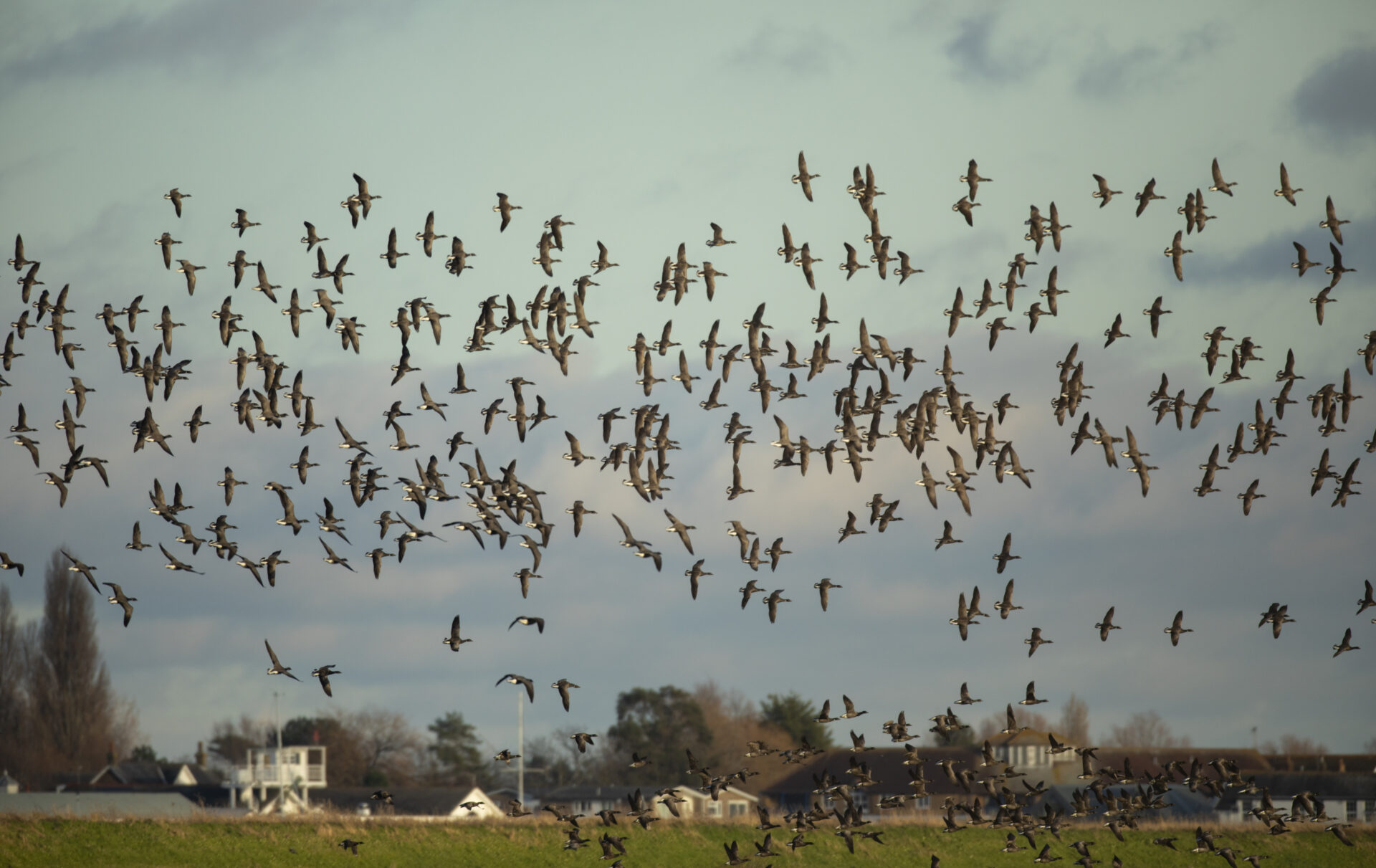
The importance of England’s east coast wetlands is such that they feature on the UK’s Tentative List for UNESCO World Heritage status. If accepted, the network of sites from the Thames Estuary to Lincolnshire would gain recognition alongside globally significant ecological areas such as the Galápagos Islands.
For those who have worked on the project since its earliest days, the change remains striking.
“When I first started working at Wallasea Island it looked an awful lot like a construction site – because that’s what it was,” said Rachael Fancy, Wallasea Island Site Manager. “But just ten years on there’s no evidence of the diggers or trucks. There’s just thousands and thousands of birds who now use it as a refuge, shelter, and nursery to their chicks. It’s an almost unbelievable transformation.”
Milo Sumner, RSPB England’s Coastal Programmes Manager, highlighted the strength of the partnership. “Wallasea shows what’s possible when business has an ethos of working with and alongside nature. By collaborating we were able to create a win for nature and people from what would otherwise have been a huge pile of wasted soil.
“We’d like to say a huge thank you to TfL and to our teams and volunteers who helped make it a reality.”
TfL says the project is a demonstration of how major infrastructure can support wider environmental goals. In fact, with record bird numbers and rising ecological value, Jubilee Marsh now stands as a leading example of how large-scale engineering and coastal restoration can work hand in hand.
Earlier this month, the UK government became an official signatory of the global Saltmarsh Breakthrough, a global initiative launched as a call for action to unite countries with saltmarsh habitats in a collective action plan for their restoration and conservation worldwide.
It’s a commitment to support ongoing efforts within the UK that include the development of a UK Saltmarsh Code which – similar to the Peatland and Woodland Codes – will aim to attract private investment for saltmarsh restoration projects by allowing saltmarsh carbon to be traded as an offset; and funding new research in partnership with WWF and Aviva that will ‘fill evidence gaps’ and include saltmarshes in the official UK Greenhouse Gas Inventory.


"*" indicates required fields
Printed editions
Current issue
Back issues
Back Issues
Issue 43 Sir David Attenborough’s ‘Ocean’
Enjoy so much more from Oceanographic Magazine by becoming a subscriber.
A range of subscription options are available.
