Caught between Isles: The return of the Atlantic Bluefin Tuna
After a decades-long absence, the Atlantic Bluefin Tuna has returned to the waters of the Channel Islands. But as local governments swap hard-won conservation protections for lucrative fishing licenses, Katrin Schiffer asks: have we learned nothing from the past? Are we destined to hunt this majestic ocean giant to the brink once again?
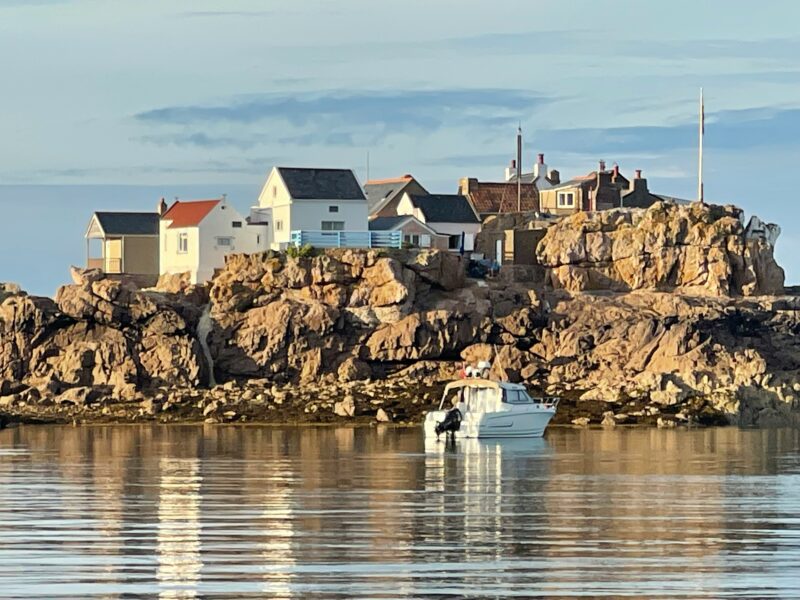
Somewhere between the Isle of Sark and the Bailiwick of Jersey, always scanning the horizon for wildlife, I ask our skipper to slow down the RIB. A bottlenose dolphin just leapt through the air, clearing the surface that divides our world from theirs by a good two metres.
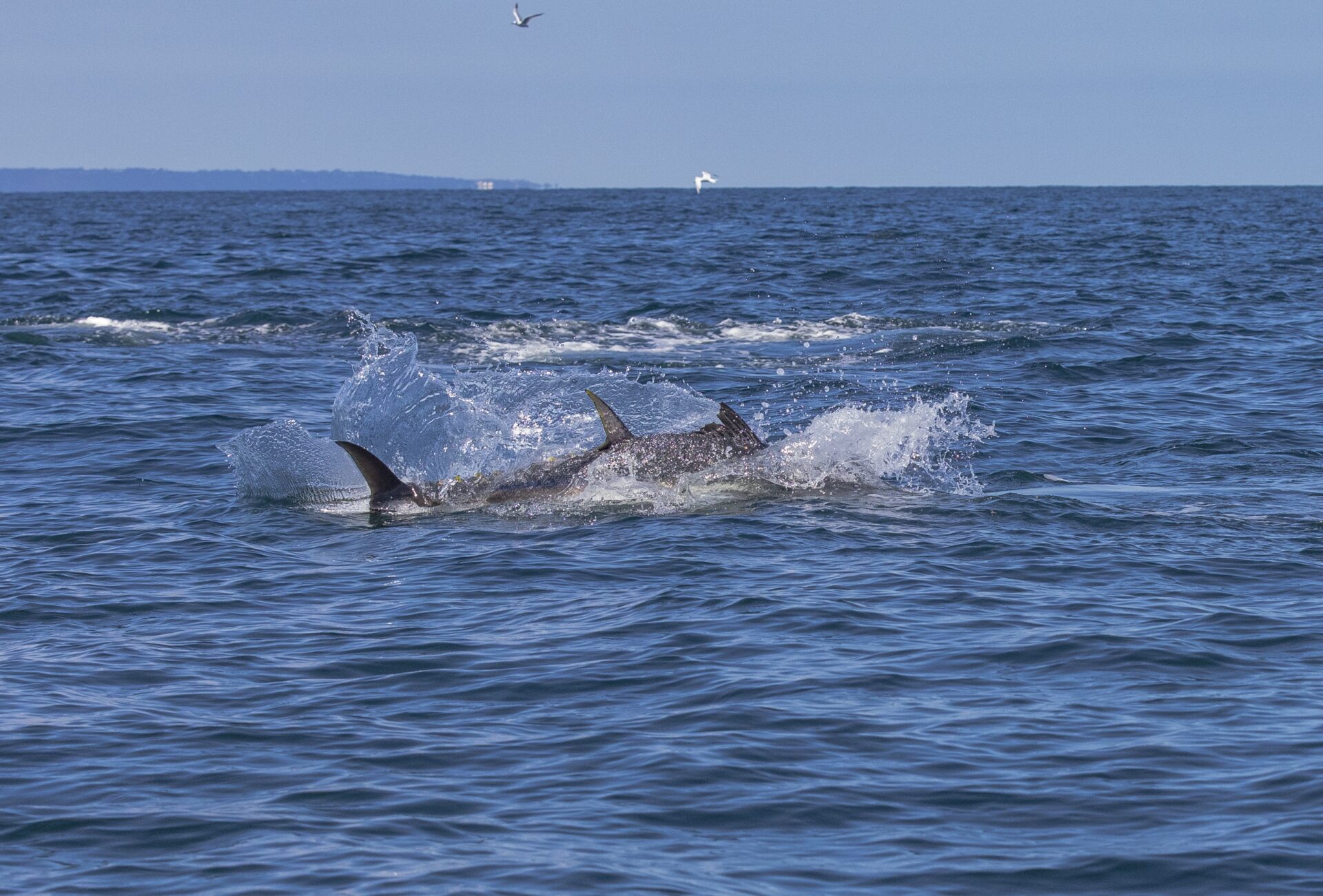
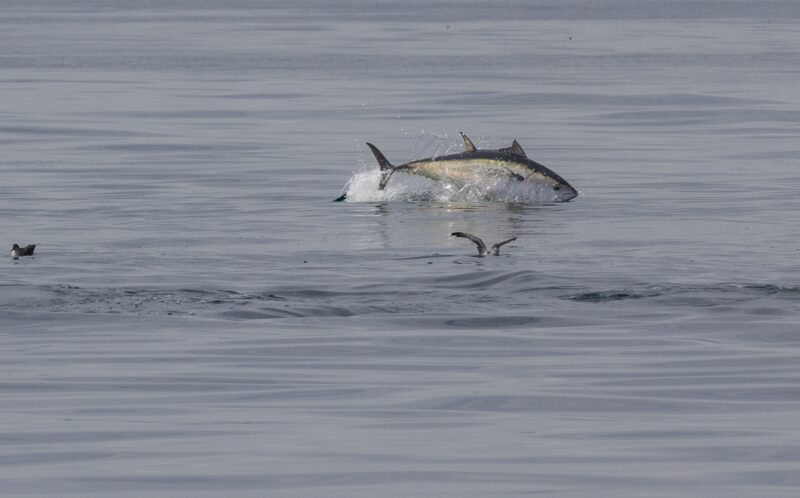
Moments later we see what can only be described as a furiously boiling patch of ocean.
The water is electrically charged with a spectacle marked by fragments of sparkling silver and yellow that propel towards us in a spiral-type movement. The speed at which this chaotic gyre moves around is beyond words and only matched by the gannets that are skydiving into the depths with their perfected artistry.
It is glistening hues of blue as far as we can see, glassy and shimmering all the way to the shores of our island home where it turns into glorious shades of green around our rocky cliffs. The calm is contrasted by this frantic display of teeming wildlife, the juxtaposition almost eerie.
A dream come true, I think, we are witnessing a feeding frenzy of dolphins. But my eyes cannot quite process the lightning speed with which everything moves. Almost as if to counteract the scene, my mind slows down. Are these dolphins? The encounter feels significantly different, and my growing sense of confusion is mirrored by the question marks lining my skipper’s facial features.
What looks like chaos from our perspective is the powerful precision of one of the most magnificent fish known. We look at each other in the exact same moment, exclaiming in awe what has finally dawned on us: “It’s the tuna!”
Sheer strength that meets elegant agility in a beautiful natural design, the Atlantic Bluefin Tuna is one of the ocean’s mightiest fish. Witnessing these underwater giants not only live, but alive is an experience I never thought I would be gifted with.
Last spotted in the British Isles in the 1980s, we began seeing large shoals of hundreds that found their way back into our waters in the Channel Islands between 2016 and 2018.
What started with rumoured sightings was followed by a mesmerising video of a single individual gently gliding through one of our islands’ harbours and soon peaked in a local recreational fisherman landing a Bluefin in one of the islands, showcased in the local Evening Post.
I remember how an immense grief washed over me for the loss of yet another individual, yet another unnecessary death publicly celebrated as a success. I feared that I would have to bear witness to many more as excitement stirred the local fishing industry.
Back then, our environment minister made the relieving call to extend the protection of the species under our wildlife law from commercial fishing to recreational fishing.
Other features

The Atlantic Bluefin Tuna would remain safe in our waters for the time being, not least due to our Islands’ history casting an intricate net of politics and legal frameworks around the species that coincidentally rendered our territorial waters a safe haven for them.
Commercial Atlantic Bluefin Fisheries are based on quotas obtained through The International Commission for the Conservation of Atlantic Tuna (ICCAT), which manages one of the world’s most lucrative fishing industries and requires UN membership of contracting parties.
At the time of the fish returning to these waters, the UK held no ICCAT quota, and since the Channel Islands weren’t recognised as independent states by the UN, we would have been at the mercy of the UK sharing potential, newly granted commercial quota by extending its ratification to us.
As an archipelago in the English Channel, we are Crown Dependencies represented by the UK in matters of foreign affairs yet aren’t part of the UK. As such, we were not bound to ICCAT, and never were part of the EU.
We did, however, have a Fisheries Management Agreement (FMA) with the UK, demanding adherence to any UK-EU agreements, having tied us to a zero-catch quota. Concerns over breaching the FMA is what led the local governments to prohibit the catch of any further fish in 2018.
Post-Brexit, renegotiations of such agreements left gaps big enough to target giant tuna through. And so, with every year that the fish returned to our waters, so would the voices calling for an official quota, or to let local businessmen exploit the species in another way.
And with their demands ever-increasing, every spring my concern would, too. Fast forward to 2026, my fear for the fish has long materialised.
Following in the UK’s footsteps, where catch-and-release and commercial fisheries are in full swing, our minister for Environment, has turned his “hope for the tuna fishery” into reality here, too.
Wildlife law has been changed, licenses are available, commercial quotas are incoming, and the minister who is responsible for protecting our wildlife is now looking into plans for a commercial fish processing plant.
£500 per license seems to be sufficient of a contribution to significantly compromise the wellbeing of this spectacular species, the very aspect that involved politicians are promising to protect by “tightly managed” programs. There is a splendid oxymoron if I ever saw one.
This hits particularly deep as marine conservation in Jersey only recently celebrated a huge win, with the government committing itself to protecting 21.7%of our territorial waters as part of the international 30×30 targets.
If almost in the same breath we are removing the protection of a species that has just started making a return from having been hunted mercilessly for decades, then where do we really stand?
History seems to repeat itself, as (local) authorities responsible for the protection of our precious environment, see proverbial dollar signs instead of a beautiful animal that deserves our respect and guardianship.
Articles throughout the British Isles celebrate the success of rigorous conservation measures now paying off, resulting in a thriving population of Atlantic Bluefin Tuna.
Those conservation efforts were made elsewhere, not off our coastlines.
That aside, the fish nearly did not make it as a species.
Once upon a time, Atlantic Bluefin Tuna would grow up to 4,5 metres and up to 900kg, spanning a lifetime of up to 40 years.
Imagine how, decades ago, fish more than double your size, heavier than horses, faster than most big cats, and capable of diving up to a kilometer deep, would migrate across the Atlantic by the millions.
Until we globally hunted them down and decimated their numbers to a point of almost no return.
After all, it was only in 2021 that the International Union for Conservation of Nature (IUCN) removed the species from its list of Endangered Species.
Which, don’t be mistaken, does not mean any more than that only a fraction of original numbers now roams the seas.
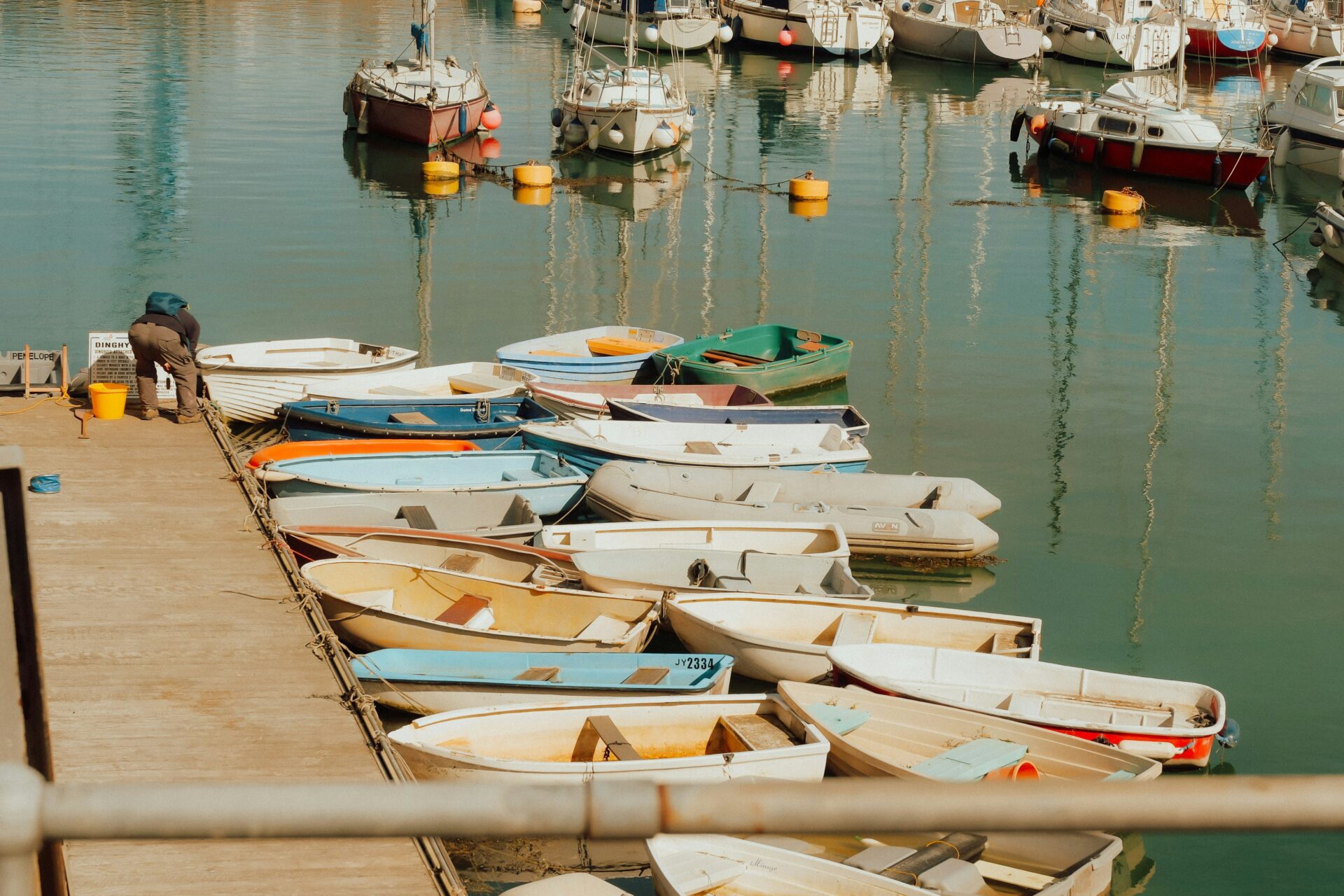
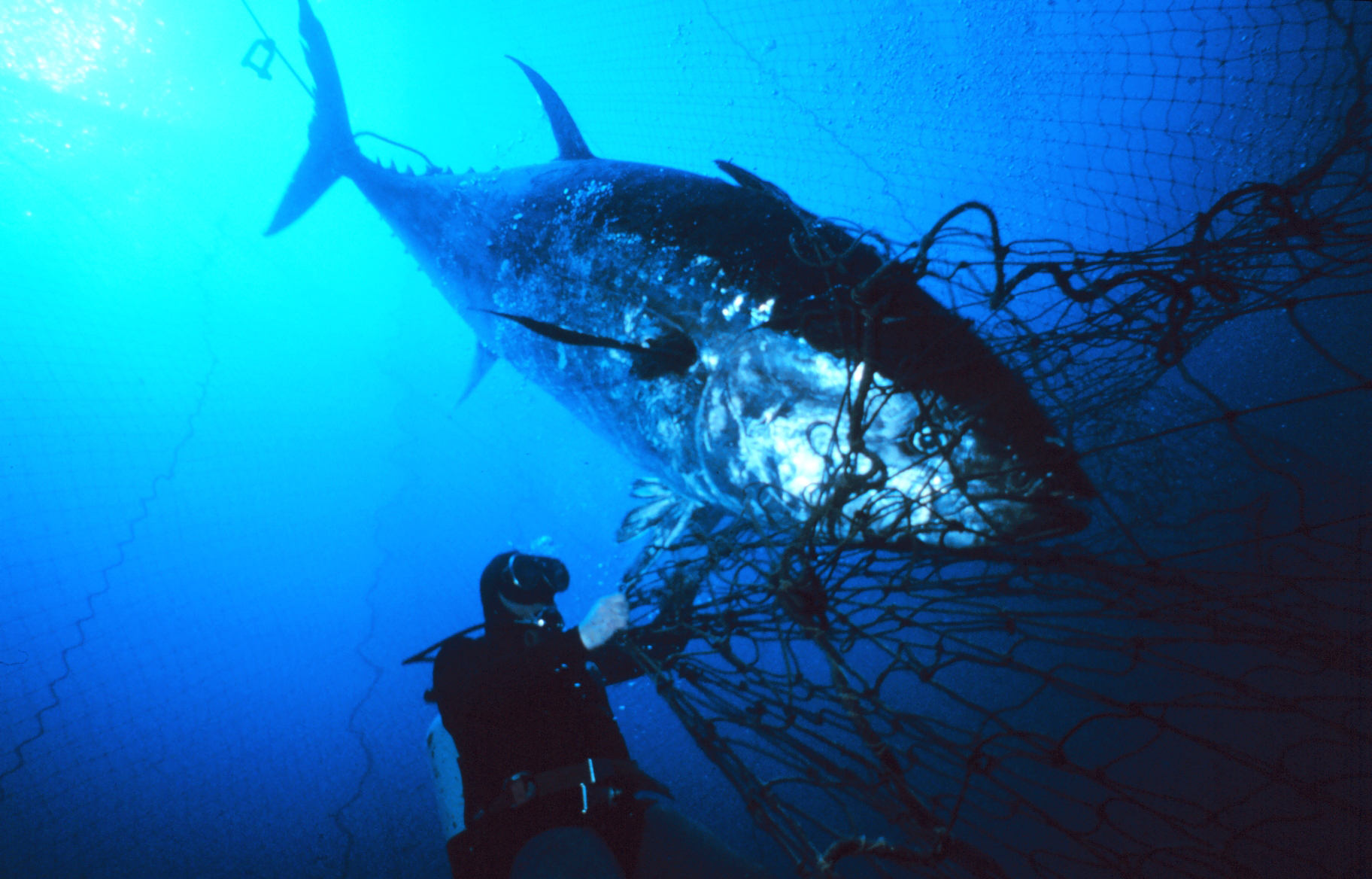
With a record price of $3.1 Million for a single fish (often up to $10.000 on the dock directly), the Bluefin trails in its wake a sad history of having been hunted down mercilessly by an unmatched high-tech industry that has been worth billions, been going for decades, and has worked ceaselessly only to drive this stunning species to near extinction.
The Atlantic Bluefin Tuna fishing industry is estimated to contribute up to $4 Billion to global economics, hunting with the latest technology and specialist gear that does not stop at use of helicopters to keep track of the animals.
Part of why the industry reached that level is related to the fact that Atlantic Bluefins are power houses by nature.
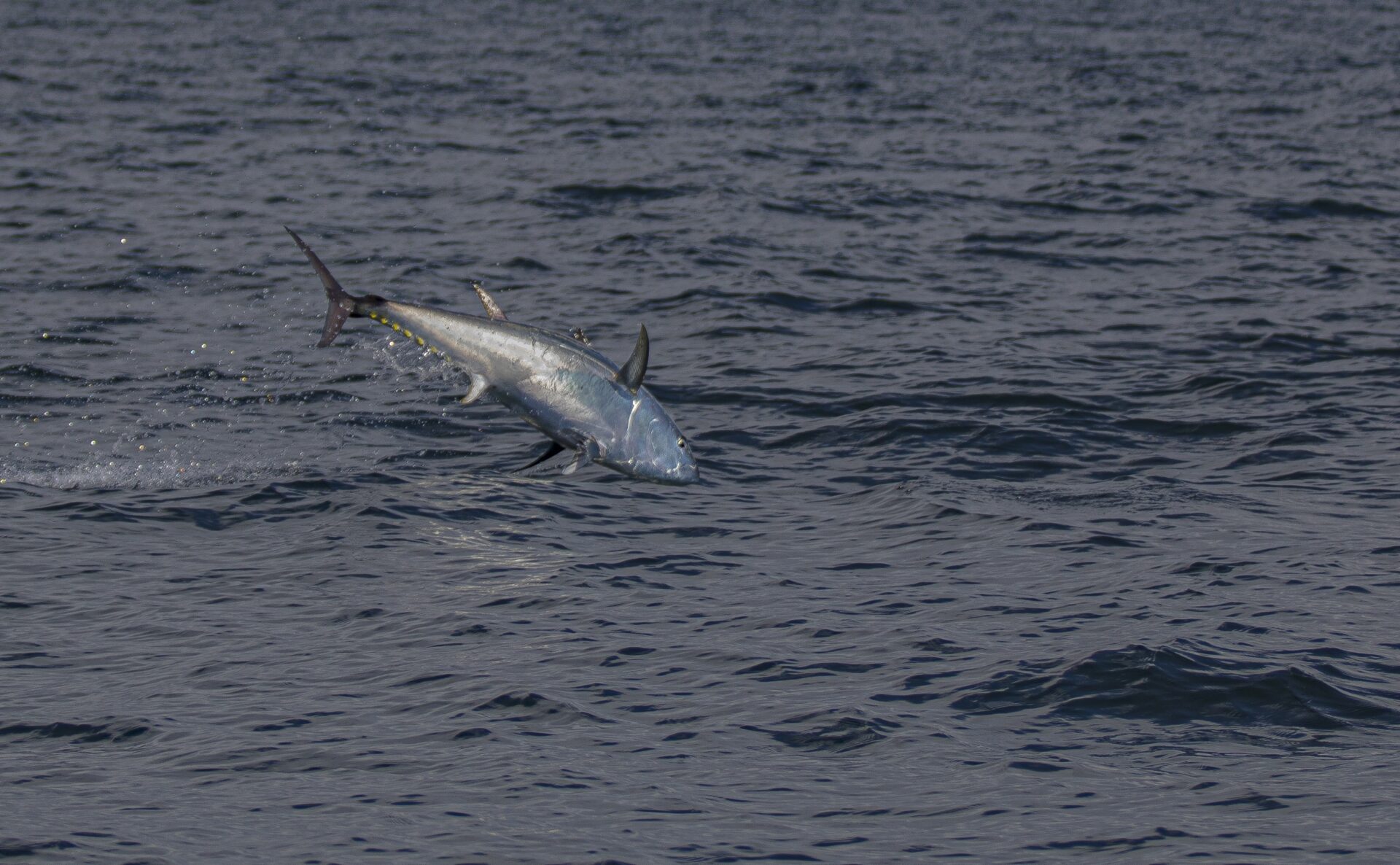
Generally cruising at a leisurely pace, their retractable fins and sleek torpedo-shaped bodies allow them to hunt with bursts as fast as 70km/h.
It is due to that same strength, with muscles so majestic that an over-exerted Bluefin can literally cook itself from the inside out, that literal hours of brutal fighting for its life on the end of a fishing reel will do damage.
And what is it all for?
For a few selected humans to satisfy their hunger of having reeled in this stunning fish, for being able to take a photograph with the haunted outline of it hanging by a hook alongside the boat.
We have long stopped supporting the same type of photographs taken with killed or captured big wild cats, elephants, or rhinos – to name a few.
Just because the Atlantic Bluefin has not made it to the mainstream media in our living rooms yet in a way these other animals have, does not mean it does not deserve to join their ranks in terms of protection.
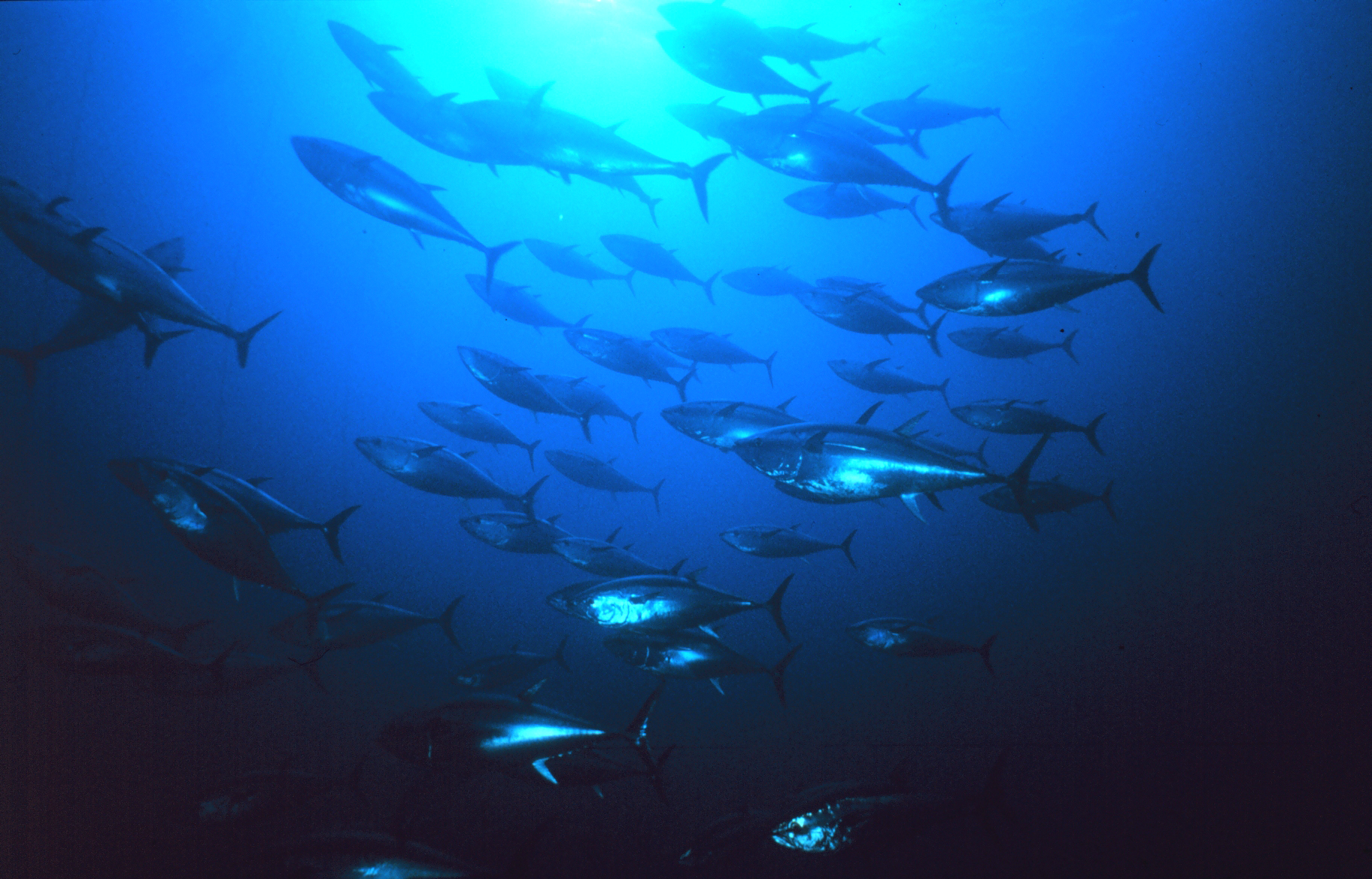
At their high speeds, the grace of the fish usually escapes us, but filmed in slow motion, the poised poetry of life below the water surface unfolds.
Deep, disc-shaped eyes the size your palms invariably demand your attention. Their metallic blue colouring on top makes for a mere outline moving intently through the water when seen from above. Their shimmering silver-white undersides are illuminated by the sunlight cutting through the water column, its reflections dancing in the dark, and contrasted by the bright yellow of their fins.
Past studies have also suggested that the social structures of the Atlantic Bluefin Tuna bear similarities to those of elephant herds, where the demise of a few individuals can have long-lasting consequences for the remainder of the population structure.
A catch-and-release industry will invariably cause disturbance and death amongst the tuna. Besides, if you are not allowed to actively seek out pods of dolphin or disturb seabirds when on water, how can we ensure that this won’t be the case when those animals exactly often-times hunt where the tuna are as well?
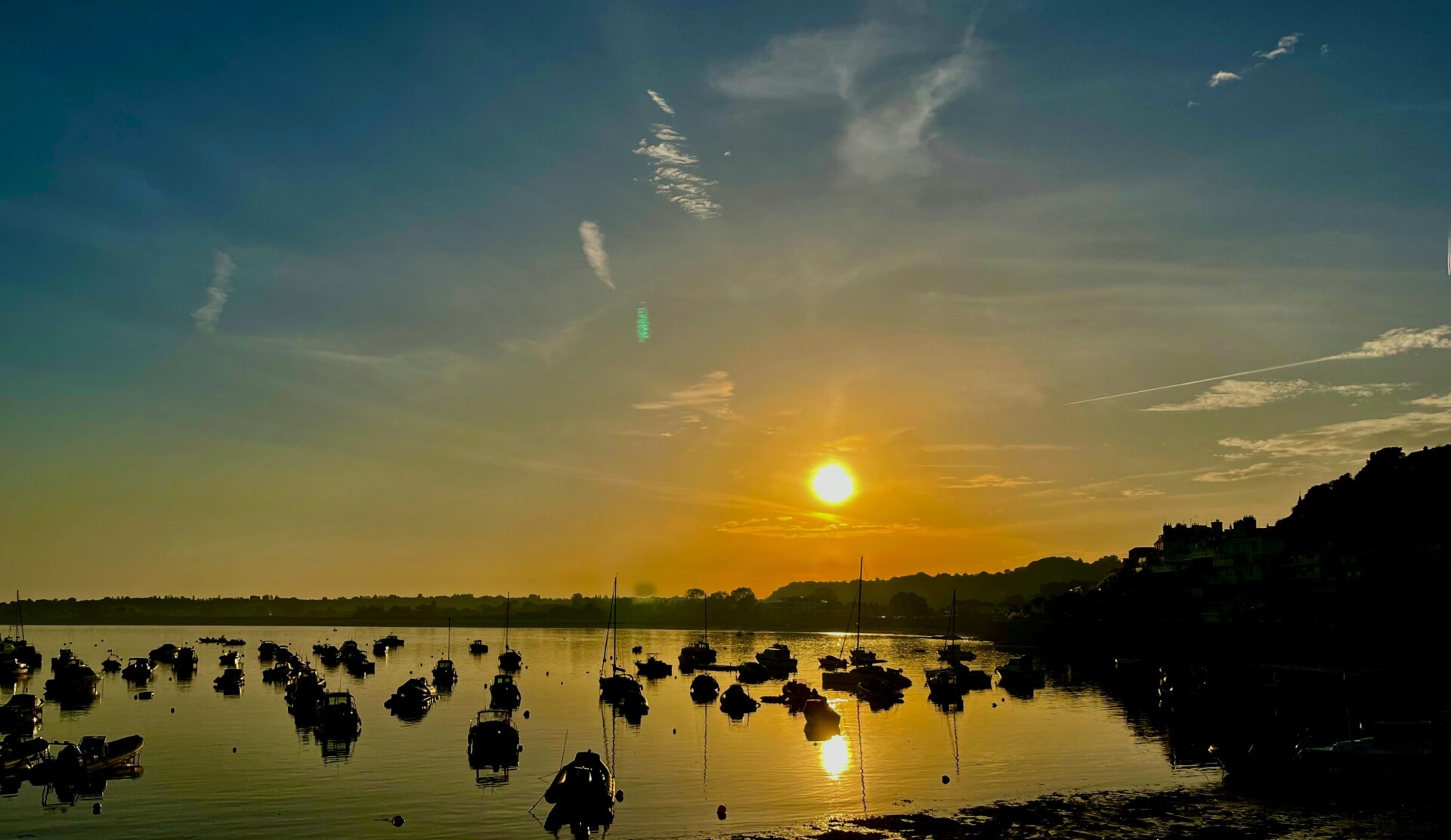
Albeit it small, for a species that has been on the run for over 50 years, our waters had offered a circumstantial mercy that I had hoped we would come to recognise as a privilege to protect this beautiful animal rather than asking for the legal right to participate in potentially pushing it over the edge again.
This is not taking place in a far-away country, this is on our doorstep, following the year that David Attenborough’s “Ocean” message rippled through the global consciousness:
“After almost 100 years on the planet, I now understand the most important place on Earth is not on land, but at sea”, his voice urged us all, for it is our planet’s support system.
When will the animals we share this planet with be worth our time and efforts without assigning an extrinsic value, a dollar – or in this case – a pound sign to their tails?
When will we recognise the intrinsic value in the animal itself?
It pains me that any increase in numbers seems to lead to the natural conclusion that we now have rights to exploit. Why can’t the conclusion be that we are privileged with its presence in our waters; that we are being given a chance to do it differently this time around?
This article was written prior to June 2026, when new elections in Jersey took place and a new Environmental Minister was appointed. It offers an even greater opportunity for this piece to appeal to the new lead in the hopes that a new route for “our” Atlantic Bluefin, and our marine environment, will be taken. A chance to do better than our predecessors.
Printed editions
Current issue
Back issues
Enjoy so much more from Oceanographic Magazine by becoming a subscriber.
A range of subscription options are available.
