Cape Froward: At the end of the world
For the Edges of Earth team, their first taste of Chilean Patagonia pulled them into the raw expanse of Cape Froward. Here, the wind cuts like a blade, and fog clings to the horizon as if the continent itself is dissolving into the sea. Where the Andes collapse, it’s where South America finally runs out of land.
After nearly a month exploring Argentine Patagonia, we crossed into Chile-arriving in Punta Arenas with salt still in our hair and our hands raw from hours of diving in some of the colder waters we’d experienced. By then, we were used to the numbness that set in each dive, the late-night matte that kept us awake long after sunset, and the warmth of the strangers who made Patagonia feel less like a destination and more like a community.
Falling in love with this place was easy. Leaving was harder. But that’s the never-ending challenge of an expedition like ours. Each goodbye leaves uncertainty as to when we might be able to return. Which is why, when we crossed over to Chile, we chose to stay longer. Much longer.
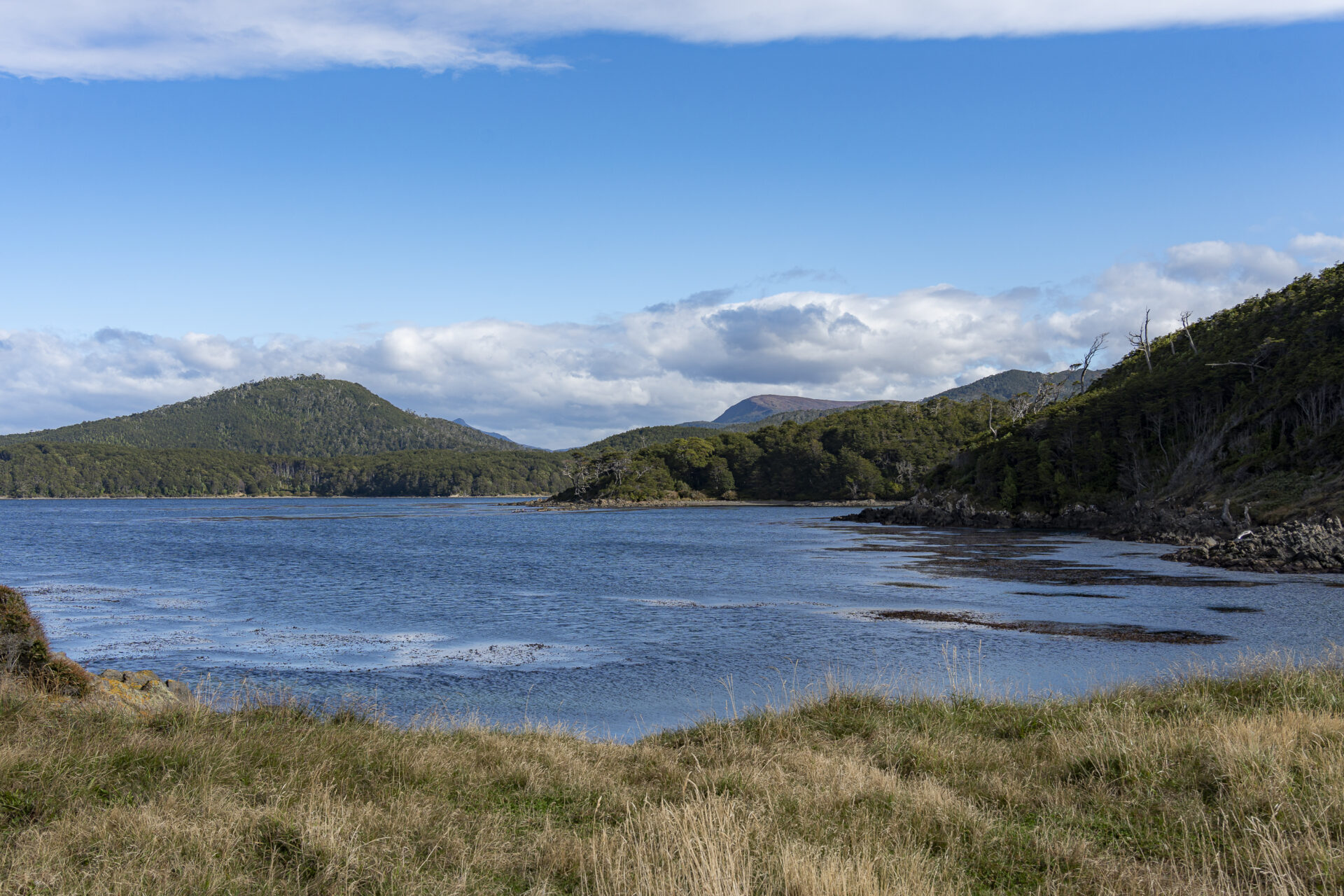
Our first taste of Chilean Patagonia pulled us south into the raw expanse of Cape Froward. Here, the wind cuts like a blade, and fog clings to the horizon as if the continent itself is dissolving into the sea. Where the Andes collapse, Chile breaks into glaciers, fjords, and channels that churn where the Pacific and Atlantic meet. It’s where South America finally runs out of land. And at the tip of the Brunswick Peninsula is a raw, volatile landscape where winds whip the trees sideways and hail rattles off the coast. Here, the tides never seem to relent. To the west looms the Darwin Range, serrated and icebound, and above it sits Mount Sarmiento, a surreal environment almost always buried in clouds. On the rare days its summit emerges, it feels less like scenery and more like a secret being offered.
The hardcore trek to the very end of Cape Froward takes days – through rivers and boggy land that offers up deep mud – reserved only for those willing to push themselves to the brink of exhaustion. And contrary to our expedition’s name, we are not those people. We’re categorically terrible hikers and are much better underwater than on land. We opted for the shorter, coastal route, tracing tidepools where kelp swayed just below the surface and Sei whales could be seen arching just offshore.
Here, there are no roads or easy access points, requiring the kind of effort that reminds you why so few ever come this far. But we certainly did not show up here for bragging rights at the continent’s end. We came because this overlooked corner of Patagonia is about to be transformed into Chile’s 47th National Park that will protect both land and sea.


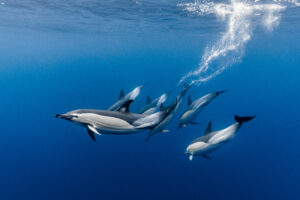

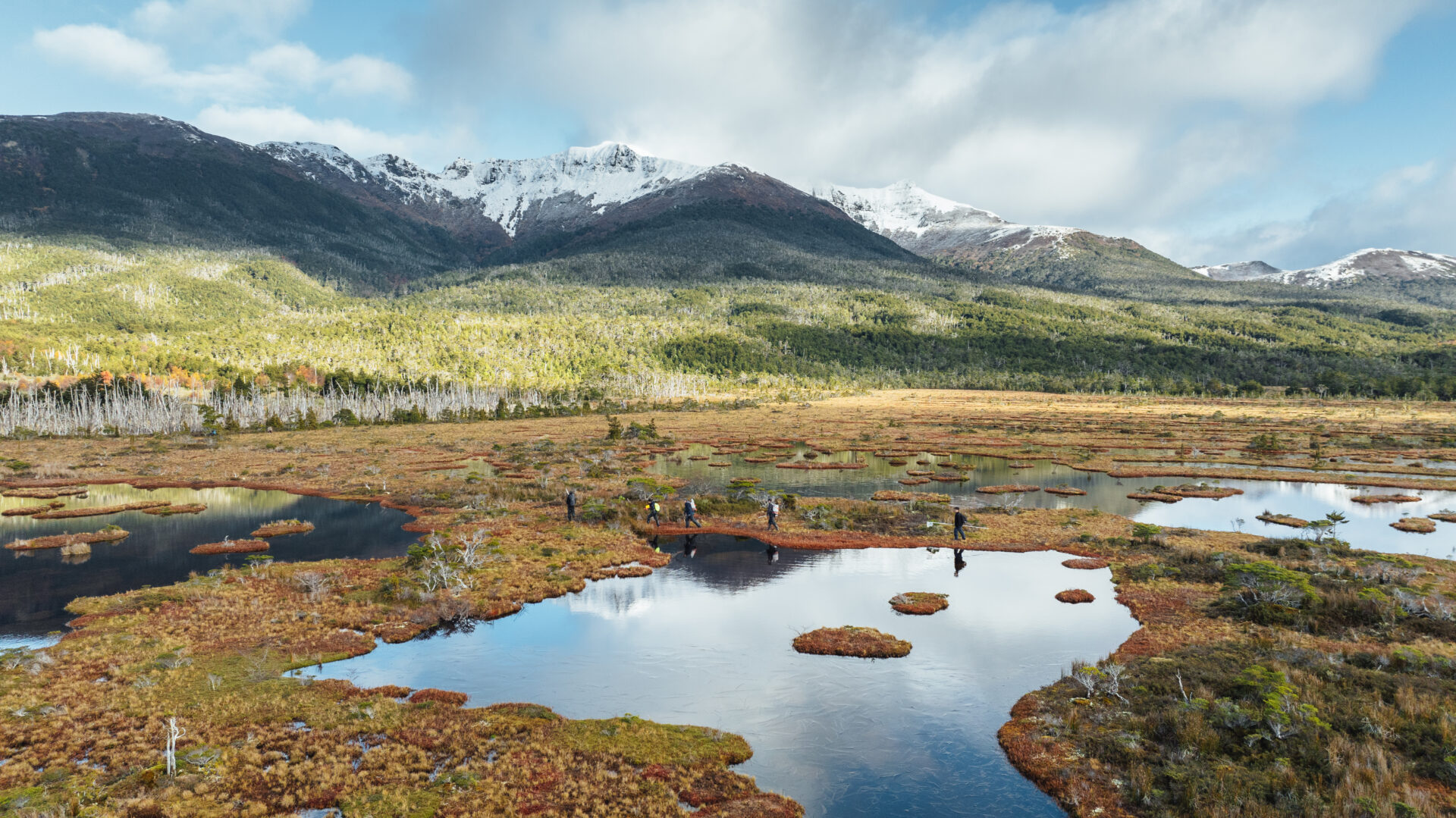
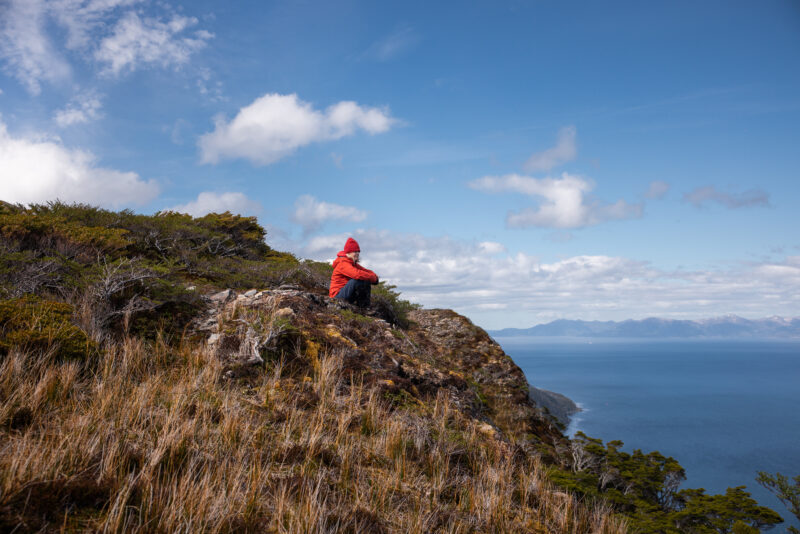
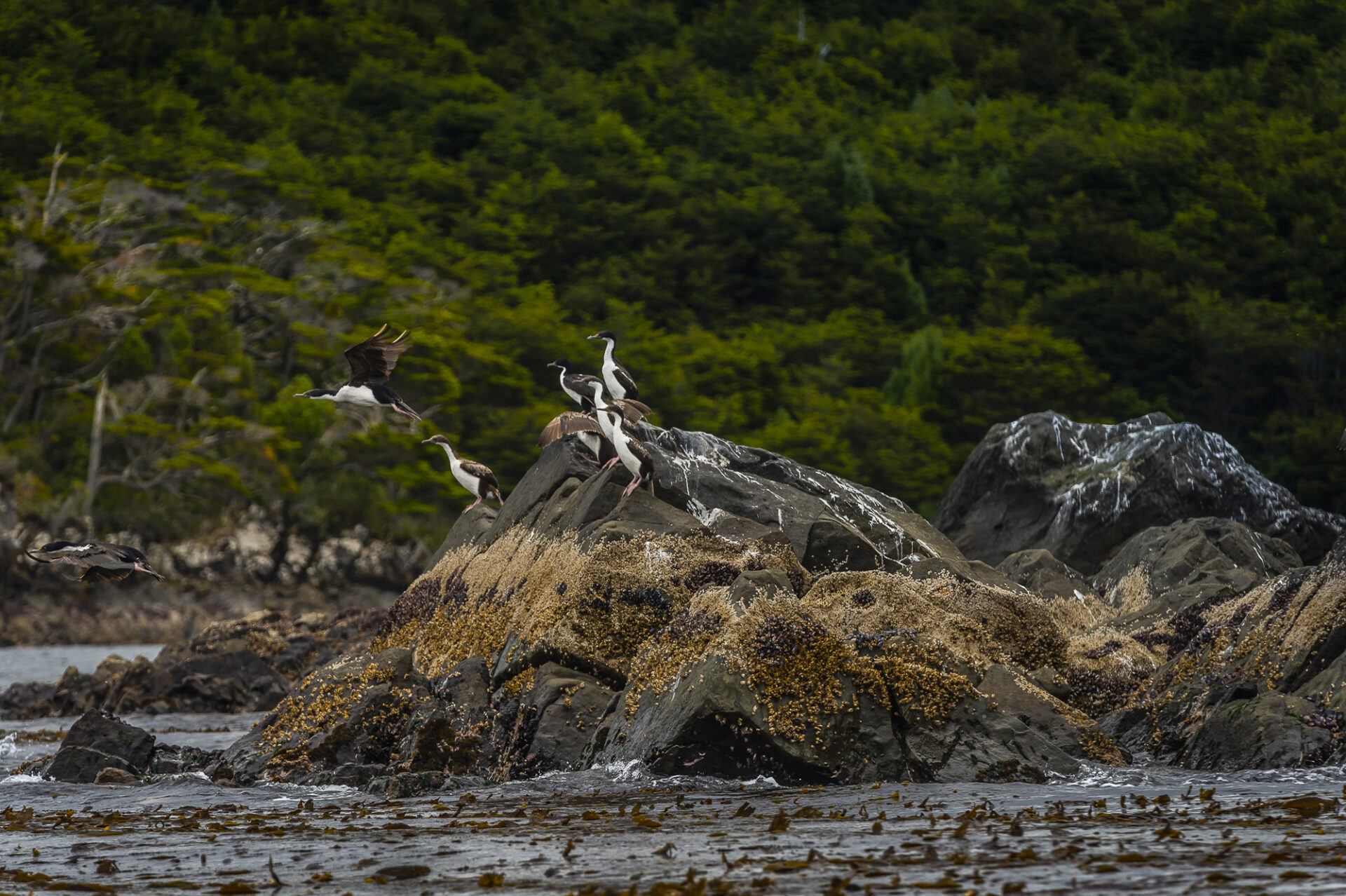
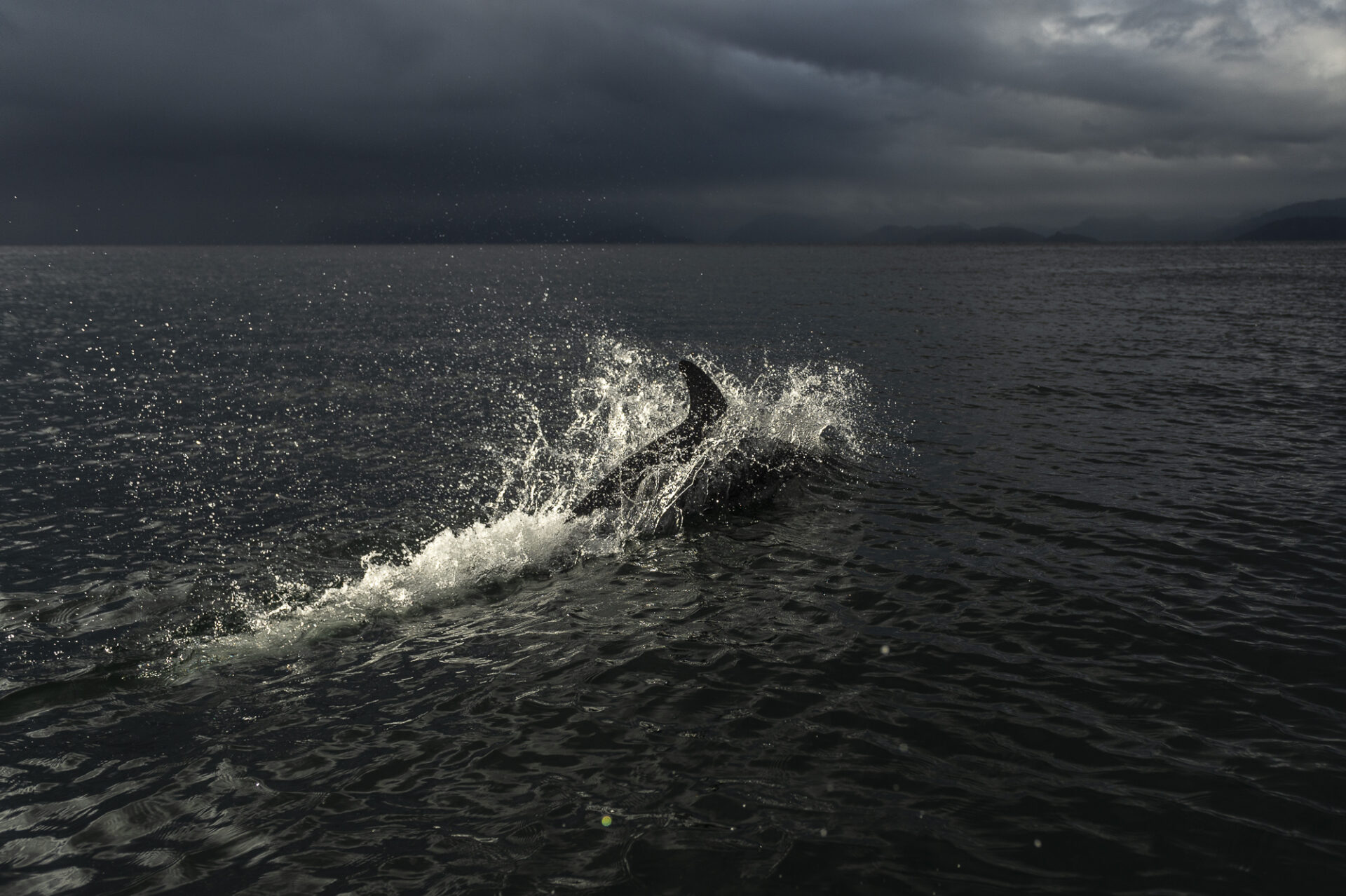
The landscape is a stitching of ecosystems layered from sea to summit. Along the shore, those swaying kelp forests feed sea lions, penguins, dolphins, and fish life, proving to be surprisingly abundant given Chile’s history with fishing and extraction. Inland, peatlands stretch for miles and wetlands storing vast amounts of carbon filter the water beneath your boots. Then come the forests of coihue and cannelo, their pale trunks rising like columns, draped in moss and tangled with ferns. This mix of marine, peat, and forest ecosystems is part of what makes Cape Froward so vital (and why we were there in the first place!)
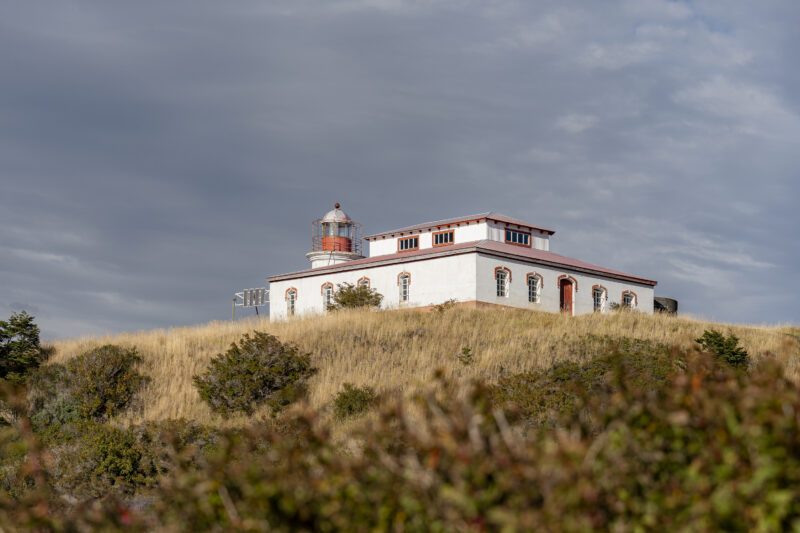
The San Isidro lighthouse is a main checkpoint on the journey to the end of the Cape, and the only stop we’d have the guts to make. Built by a Scottish architect more than a century ago to guide ships through these dangerous straits, it was abandoned for decades until one family decided to breathe life back into it. Benjamín Cáceres, who now coordinates Rewilding Chile’s conservation work, grew up exploring these shores with his marine biologist father. Together, they dreamed of restoring the lighthouse into a small museum and base for low-impact tourism. They built a modest hostel that welcomed hikers, and held onto a vision that this forgotten headland could be more than just a relic of the past.
That vision is now converging with something much larger. When the new Cape Froward National Park is signed into law, this lighthouse will become its entry point – a gateway to 315,000 acres of glaciers, peatlands, fjords, and ancient forests. It’s the continuation of Benja and his father’s dream. For Chile, it’s the creation of a new protected frontier. And for us, walking through it, against the wind and the wild coastline backdrop, felt like standing at both an ending and a beginning. The end of the continent, and the start of a story that could shape Patagonia’s future.
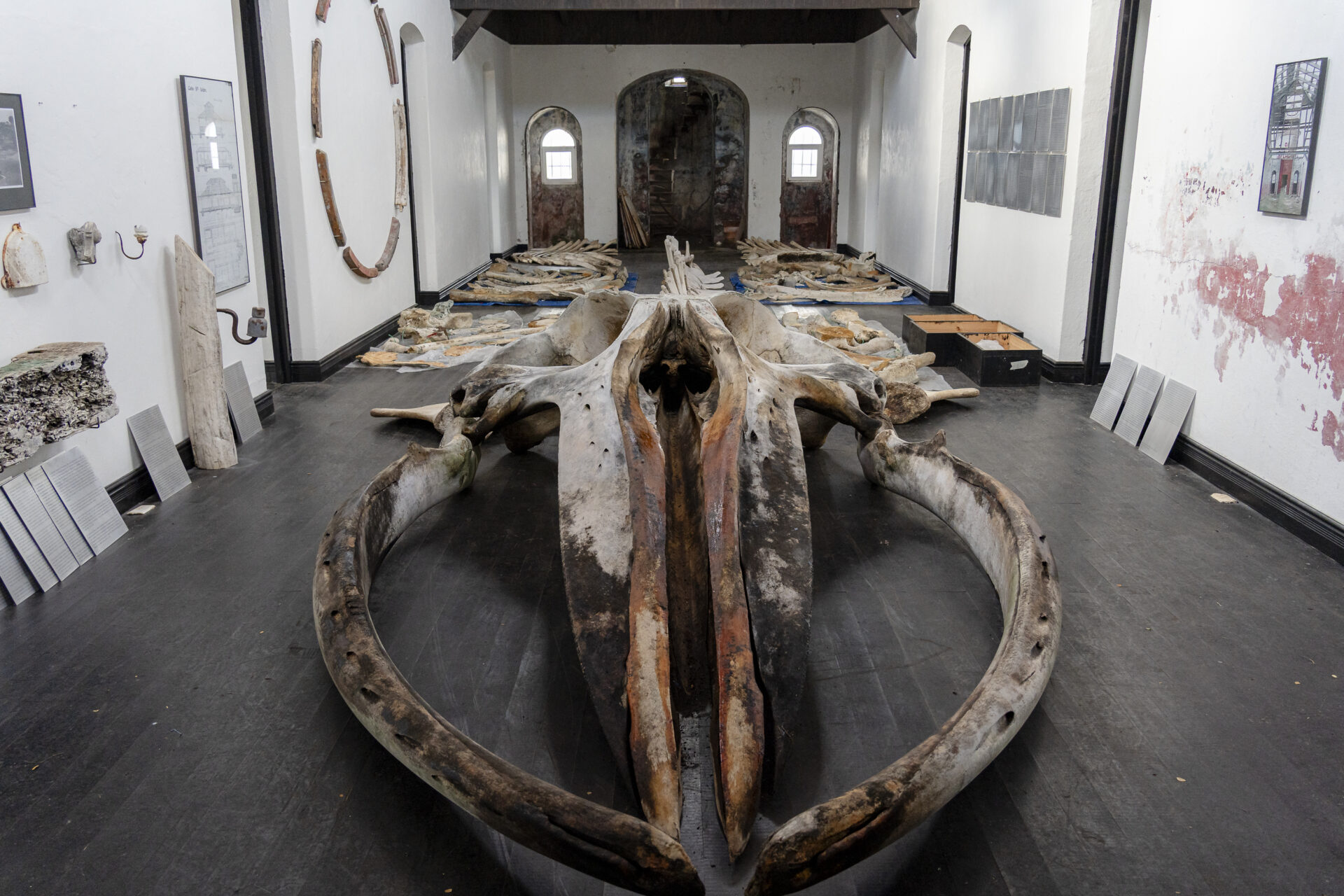
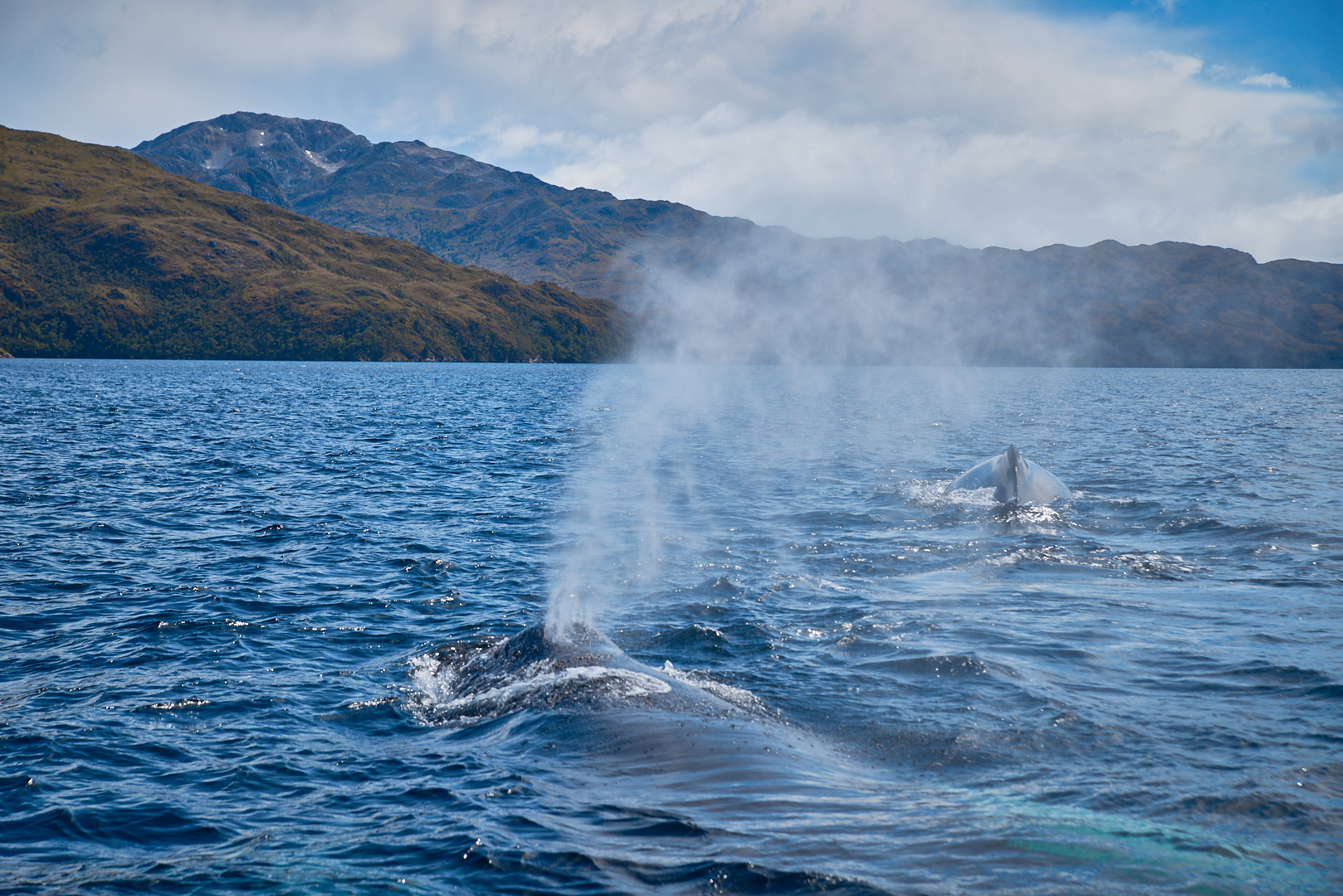
Making it to the lighthouse, what stopped us in our tracks was what we found inside. An immense skeleton of a humpback whale, arranged bone by bone across the worn wooden floor was nothing short of a spectacle. A local operator had found the carcass offshore, and instead of letting it rot – or risk the violent explosion that comes when gases build inside a whale’s corpse – Rewilding Chile, the Museo del Río Seco, and the local community joined forces to recover and preserve it.
Piece by piece, they carried the bones to its new resting place, working to transform them into a striking educational display. Standing beside vertebrae the size of stools and a jawbone longer than our bodies, we understood this to be a heavy-hitting symbol of the abundance still thriving offshore, and of what Chile risks losing.
Soon, it will become an open-air exhibit confronting visitors with both the grandeur of Patagonia’s ocean giants and the fragility of their survival.
For more than 6,000 years, the Kawésqar people moved through these fjords by canoe, harvesting shellfish and setting stone fish traps. Archaeological sites still trace their presence across the coast, featuring middens of shells, bones, even penguin and dolphin remains, which offer a glimpse into what the past was like here. But in the span of a single century, nearly all of that was erased. Colonial missions gathered families into settlements and stripped them of their nomadic ways. European settlers brought sheep, claiming vast stretches of land. Disease, displacement, alcoholism took over and did the rest. Six millennia of culture collapsed in just over 100 years.
Today, Kawésqar communities remain, but are fragmented and constrained. The sea lions that once fed their families are now protected species. The land is privatised, blocking the nomadic movement that defined their culture. And in the fjords, salmon farming has carved a deeper divide, with some communities working within the industry, while others fight to dismantle it.
The irony is heavy, as salmon is not actually native to the southern hemisphere. It was introduced to fuel fly-fishing tourism, yet today, it’s economically shielded by the government. Chile now has around 1,500 salmon farming concessions, many owned by foreign companies from Norway and China. Of those, more than 400 sit inside protected areas, including 29 inside national parks.
Conservationists call it one of Chile’s greatest “cracks” in the system. Protected areas are meant to be just that – protected. Yet, industrial aquaculture operates inside their borders. That’s why Rewilding Chile has joined a coalition of 80 organizations with a single demand: remove salmon farms from protected areas. Not to end the industry outright, but to make sure the laws already in place are respected, and that ecosystems given the title of protection are actually treated as such.
It’s here that the question of the new park becomes complex. Chilean law requires an Indigenous consultation process, or a chance for these communities to weigh in on what the park should look like. For some, this is an opportunity; for others, it feels like another chapter of “green colonialism,” where outsiders dictate what protection means.
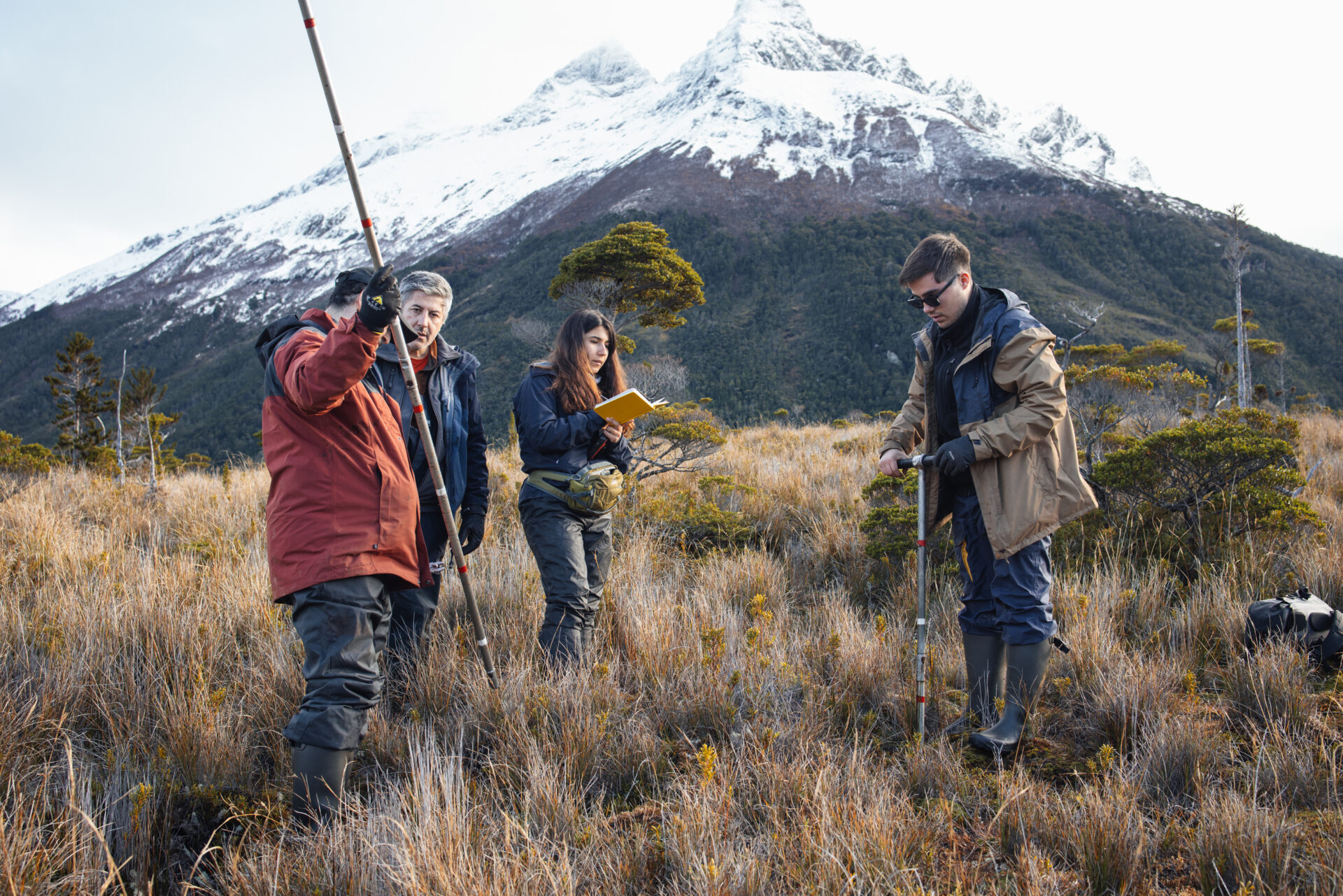
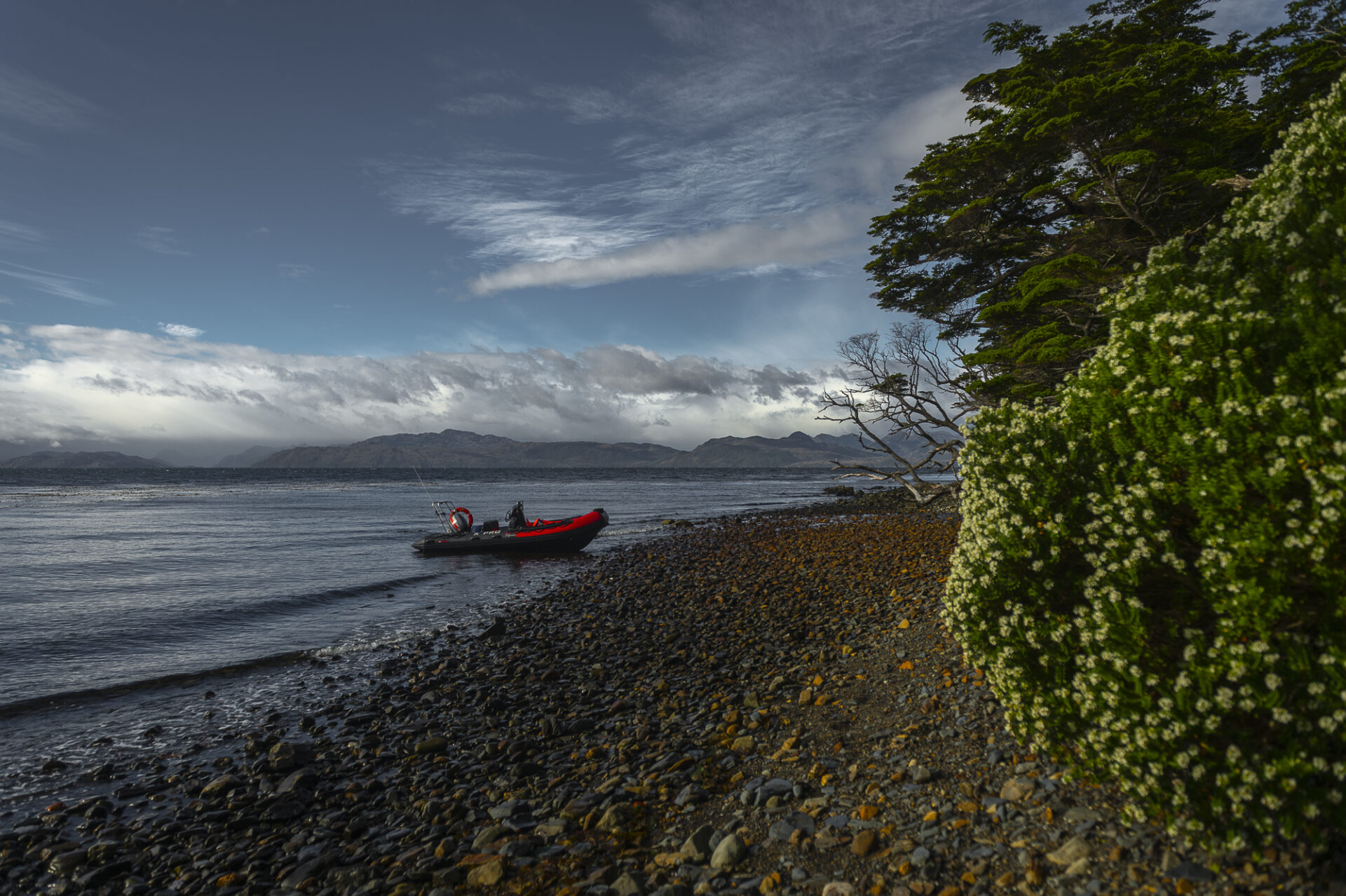
Rewilding Chile has stepped carefully into this space, helping coordinate consultations and offering training in ecology and conservation, and acting as a middle ground. Their view is that the park cannot succeed unless the communities who live here are part of this planning process. Ranger jobs, tourism opportunities, technical training are all part of the conversation. But with only five months for these consultations, the deadline looms.
The current president, a 38-year-old native of this region, has promised to sign the park into law by the end of 2025. Whether communities, politics, and conservation can align in time remains an open question, and something this highly successful organization is pushing for.
The significance of this region felt obvious to us as we moved through Cape Froward. Here, the critically endangered ruddy-headed goose, with numbers hovering around 200, still survive. The Rewilding team is using drones and camera traps to track nesting and their movements, hoping to restore a species that migrates all the way to Buenos Aires. The southernmost population of huemul deer – Chile’s national animal, barely studied and gravely endangered – still clings to survival in these forests. Pumas roam the fjords, shaping the balance of life. This place is one of Patagonia’s last great frontiers for biodiversity, hardly recongised on a map.
But, none of this work is happening in isolation. Since the 1990s, Kris and Douglas Tompkins’ vision has reshaped Patagonia, protecting more than 20 million hectares of land and sea across Chile and Argentina. Their model of buying, restoring and, donating private land back to the state has already created 15 national parks. And Cape Froward is set to become the 16th.
This endeavour will be the first facilitated by Rewilding Chile as an independent organisation, possible thanks to the Tompkins Conservation and combined efforts of nine other philanthropists.
Rewilding Chile is now working with the government to stitch together public land with the private parcels they secured in 2021, forming this wide-ranging park. True to the Tompkins model, they insist on the highest standard, or national park status, which rules out extractive industries like logging or industrial fishing. That raises hopes for long-term protection, but also stirs tension in communities where salmon farming or small-scale fishing remain lifelines. Striking that balance between people and protection is the work Rewilding Chile has been refining for decades.
If Cape Froward becomes a national park, it will stand as proof that, even at the edge of the world, conservation and culture can push forward together. Just as importantly, it would close a critical gap in Patagonia’s wild corridor, connecting glaciers, peatlands, forests, and kelp-dense coastlines into one continuous protected landscape.
Wildlife does not recognise national park boundaries or property lines. Pumas roam from the steppe to the forest and huemul deer move between valleys, while migratory birds depend on safe passage along their flyways. Without corridors, habitats become fragmented, species are cut off, and entire ecosystems weaken as a result. With them, the land becomes a living network, where species can adapt and migrate successfully, fueling their own circles of life.
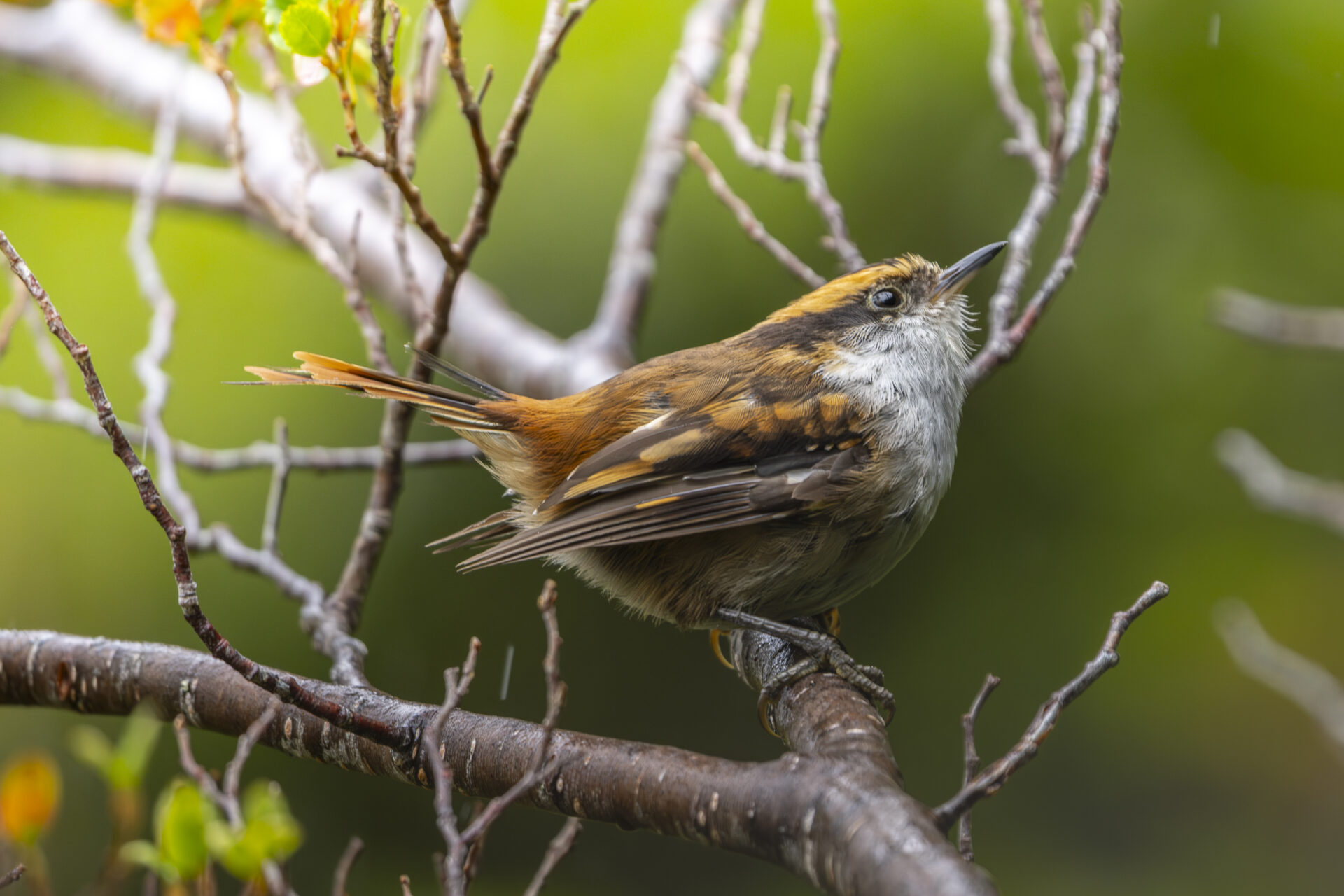
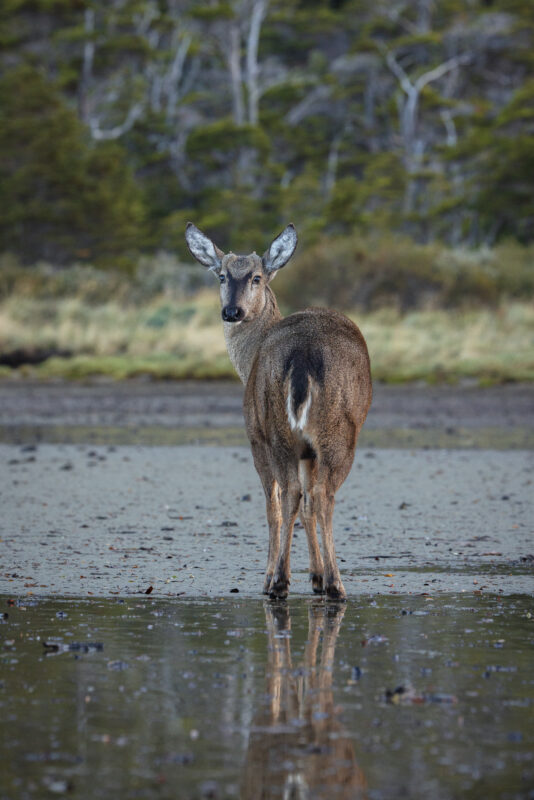
If Cape Froward is signed into law, it will help stitch together more than 2,000 kilometres of continuous wilderness, making it the largest corridor of its kind on the continent. The real legacy of a national park is the freedom it gives nature to keep moving from land to sea. On land, Chile’s national parks have nearly a century of legal precedent behind them, dating back to 1926.
The ocean, however, is a different story. Marine parks only began to take shape in the 1970s and remain far less developed. There’s still a huge gap in scientific research, policy, and public understanding because of it.
Rewilding Chile has recently launched a marine programme to begin closing this gap. With the largest fjord system in the world, much of southern Chile’s waters remain barely studied. The team is now running scientific expeditions to build the baseline knowledge needed to propose new marine parks. The entire Chilean ocean is already designated for extractive use. Real progress has to come through dialogue with those who depend on the sea. Today, there are already promising examples.
In Magallanes, local fishermen themselves created a moratorium on kelp extraction, deemed a grassroots conservation measure allowing the ecosystem to recover. If more initiatives like this can be scaled, where replenishment zones benefit both biodiversity and livelihoods, marine parks will be seen as a shared solution instead of a threat. Cape Froward is being positioned as a hotbed to see this dual vision come to fruition. The legendary Kris Tompkins said it herself: Cape Froward is one of the hardest, and most important, parks her team has ever worked on.
In an interview, she stated that it’s vital people come here and see it for themselves, so they can understand firsthand how much of Earth is still thriving, yet threatened at the same time. The paradox of abundance and fragility is written all over this landscape.
To us, Cape Froward felt like an open door. An invitation to return and witness what comes next, as Kris suggested. But expedition life always leaves us with the harsh uncertainty of if and when we’ll be able to do so. Here, at the continent’s edge, we understood the more urgent question was less about our transient state in this special place, and more about what comes next for the truest edge of Earth.

Printed editions
Current issue
Back issues
Enjoy so much more from Oceanographic Magazine by becoming a subscriber.
A range of subscription options are available.
