One breath closer: Freediving for ocean advocacy
Freediving is reshaping how people connect with the ocean - using a single breath and the body's own mammalian dive reflex to forge relationships with marine life that inspire lifelong protection.
The first thing people notice is the silence. How the noise of the day seems to disappear once you take that final breath and descend beneath the surface. Deadlines become irrelevant. Emails go unanswered. Notifications cease to exist. Beneath the surface, none of that matters. There’s just the slow rhythm of your heartbeat and the crackle of the reef that comes to life before your eyes.
For most, this is their first experience of freediving, and it is this stillness – this rare opportunity to be completely present – that begins to reshape their relationship with the ocean.
Since COVID, freediving’s reputation has shifted from a niche extreme sport towards an accessible way for people to connect with the natural world. As people have sought slower, more meaningful experiences away from the constant demands of modern life, the ocean has become a place of refuge, perspective and connection. After months of uncertainty and isolation, many began reassessing the importance of spending time outdoors and reconnecting with environments beyond screens and busy routines.
Freediving has emerged as one of the ways people are rediscovering that relationship. It is a sport, yes, but more than that, it is a practice of connection. Unlike many adventure sports that push the limits of performance and achievement, freediving requires people to slow down, observe and interact with the ocean on its own terms. From complete beginners learning to feel comfortable in the water to experienced divers exploring deeper environments, people are being drawn to freediving for the unique access it provides to the underwater world. For instructors witnessing this shift firsthand, the transformation is familiar – people arrive wanting to learn a new skill, but leave with a new understanding of the underwater environment they have entered.
For centuries, humans have searched for ways to explore the ocean, with technologies like scuba diving opening a window into a realm that was previously beyond our reach. With a tank of air on their backs, divers can descend into shipwrecks, explore deep reefs and spend extended periods surrounded by marine life, becoming visitors to an environment that few will ever experience.
Other features
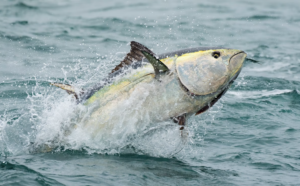
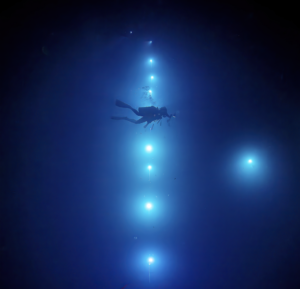

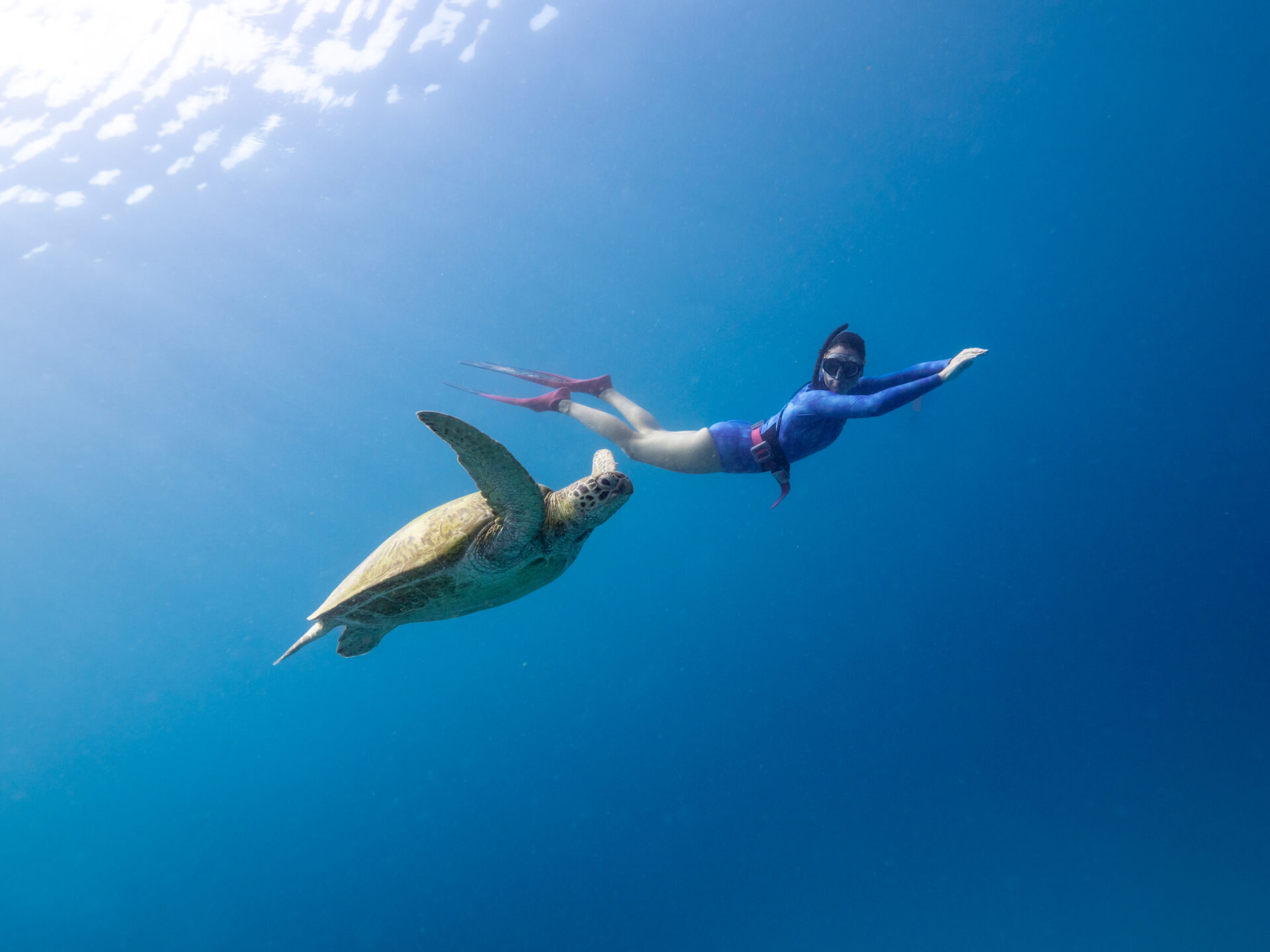
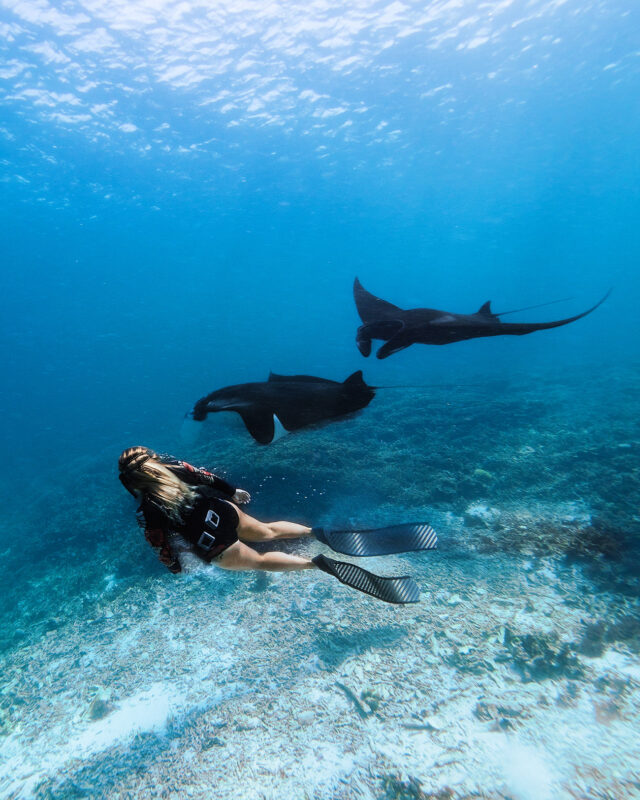
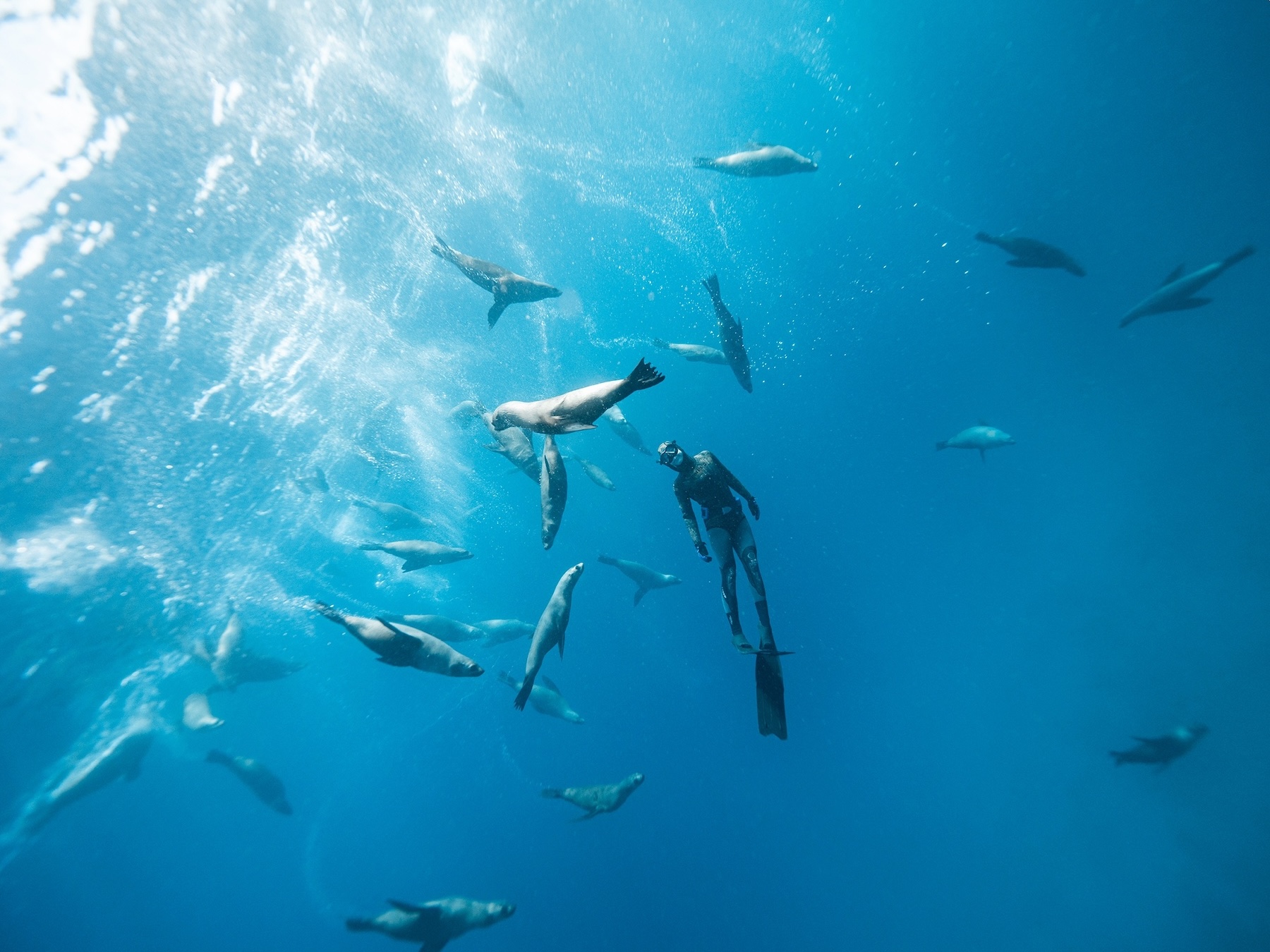
Freediving offers a different kind of connection. Without the barrier of bubbles or bulky equipment, the diver enters the water with nothing but a single breath – relying on a shared mammalian dive reflex, the same physiological response that allows marine mammals to thrive beneath the surface. In doing so, freedivers are able to experience the ocean in a quiet, intimate way.
What freediving unlocks is a physiological connection with the ocean that humans have carried within them all along. The mammalian dive reflex is a response shared by humans and some of the ocean’s best divers – whales, dolphins and seals. It is the body’s natural response to immersion, and a reminder that the human body is not entirely alien to this environment.
The mammalian dive reflex is triggered by breath-holding and facial immersion, particularly in cold water, while the pressure of descent leads to further adaptations. Together, these responses allow the body to conserve oxygen and withstand the physical demands of freediving. Bradycardia – a significant lowering of the heart rate – helps the body conserve oxygen, allowing freedivers to spend more time underwater on a single breath. Blood vessels in the extremities then begin to constrict, prioritising blood flow towards the organs that need it most.
As a diver descends, another adaptation takes place: the blood shift. As the pressure increases and the lungs compress, blood is drawn into the chest, protecting the lungs from the effects of compression. The result is a body capable of descending to depths that were once deemed impossible without breathing equipment.
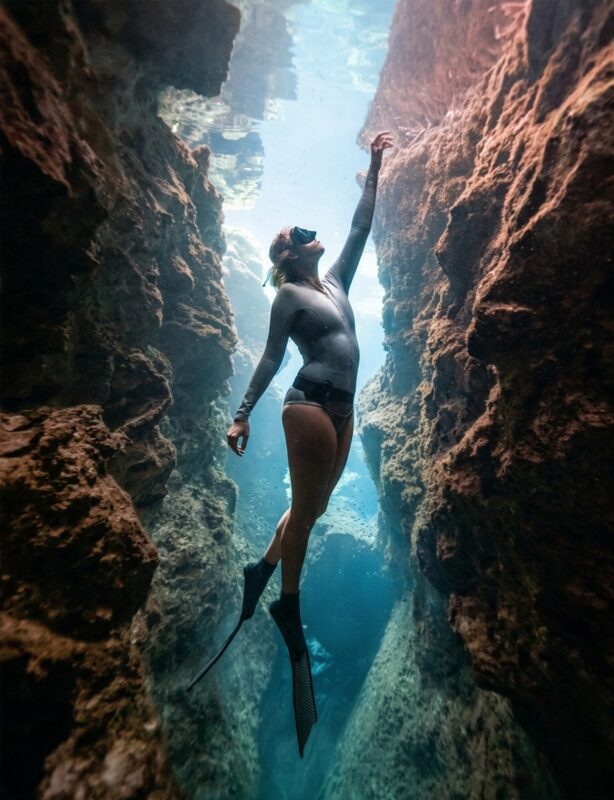
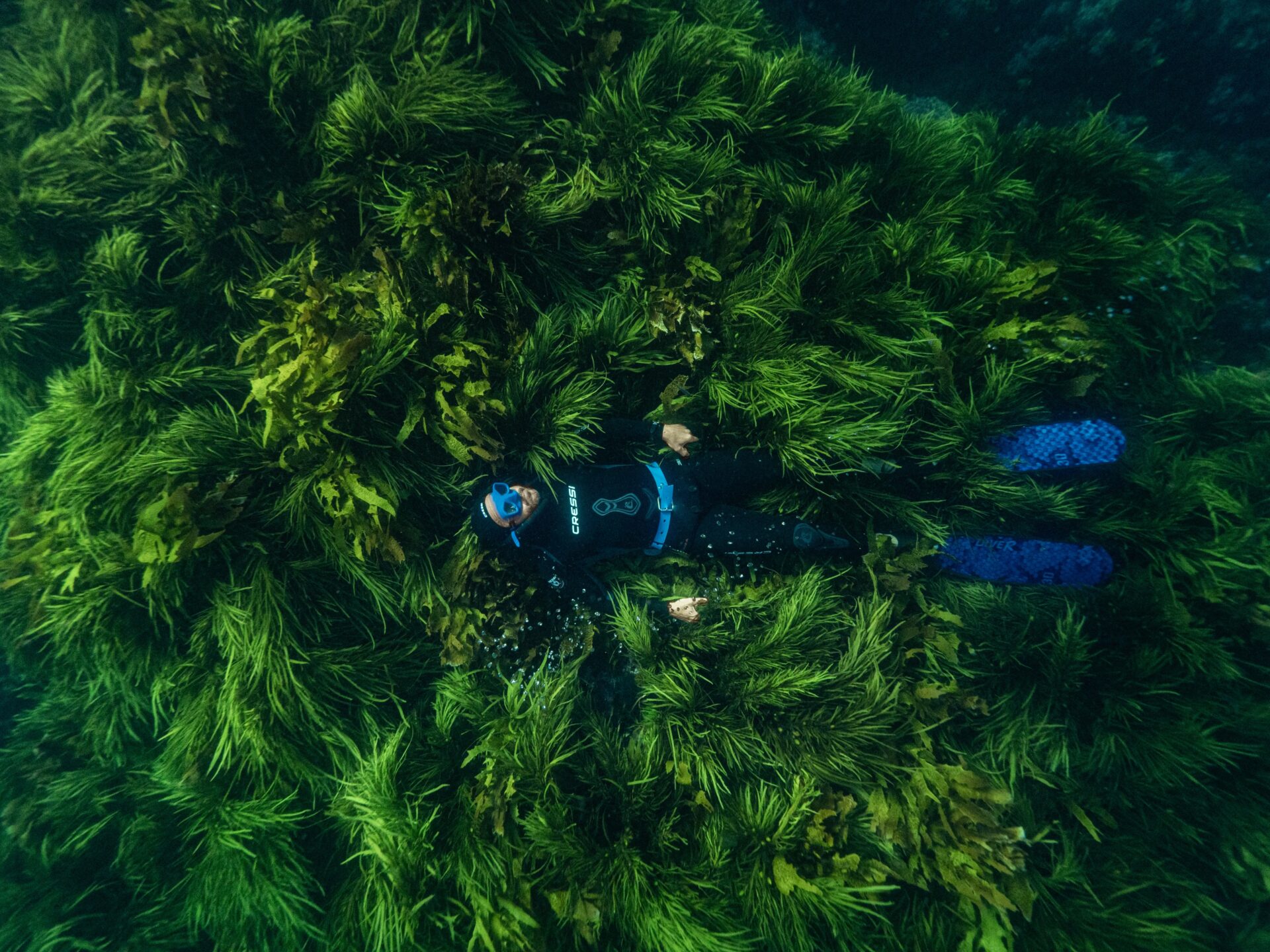
The deeper the dive, the more extraordinary the realisation becomes – rather than simply tolerating the pressure of the ocean, human physiology has evolved to respond to it. These adaptations happen involuntarily – before a diver has developed technique, learned to equalise efficiently or managed the psychological challenge of breath-holding, the body is already adapting to the water.
The process begins before the mind has even consciously registered the change – a reminder that humans are better equipped for the underwater world than first imagined.
This is what makes the experience of freediving so unique. The diver is not only observing the ocean; the body is being physically changed by it. The water slows the heart, alters the body’s priorities and demands a different relationship with the ocean.
The deeper a diver goes, the more the instinct to rush back to the surface must be surrendered. Progress depends not on fighting the body’s responses, but on learning to listen to them.
There is a strange contradiction at the heart of freediving: the deeper the dive, the less it can be forced. Unlike many other sports, freediving cannot be conquered through grit or determination alone. The diver must become more patient, more aware and more accepting of their limitations. In that sense, freediving offers a philosophy that extends far beyond breath-holding.
Perhaps this is why the sport changes the way people see the ocean. The experience is not one of conquering an unfamiliar environment, but of adapting to it. The ocean sets the conditions, and the freediver learns to meet them. It is in these moments that the ocean feels less like somewhere being observed and more like somewhere being experienced: silently resting beside a turtle on the seafloor, drifting among a school of fish as it moves through the water as a single organism, or gliding through the narrow remains of a shipwreck with nothing but the sound of your own heartbeat.
It is this relationship with a place so vast and mysterious that is creating a new wave of ocean lovers, and ultimately, ocean protectors. Through time spent beneath the surface, the ocean begins to shift from a distant environment into a meaningful part of their lives – a place made up of individual encounters, familiar faces and stories.
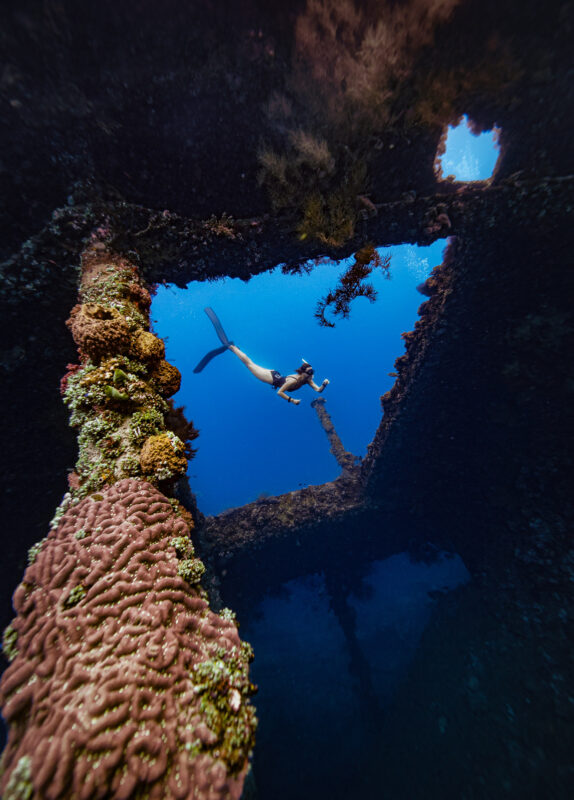
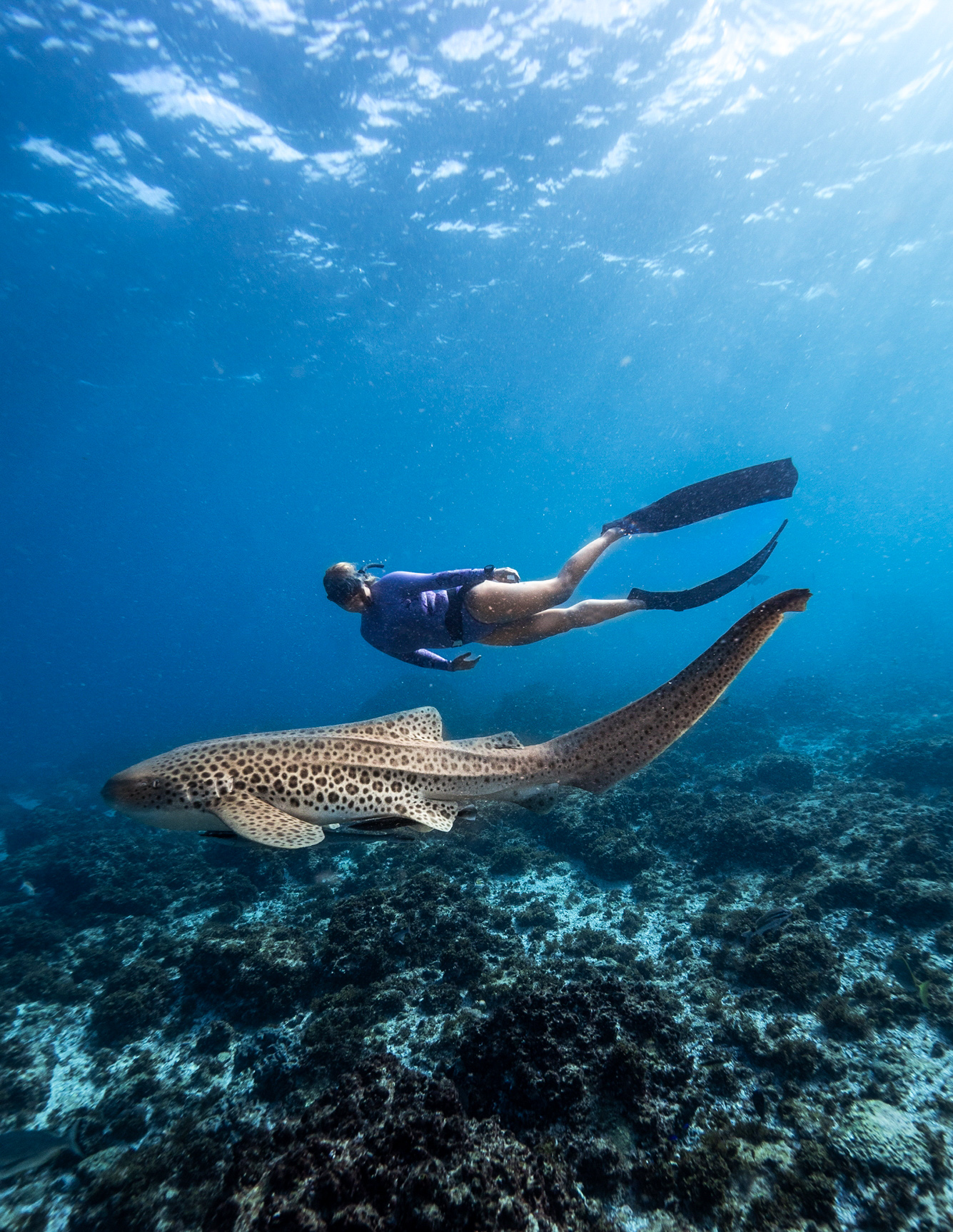
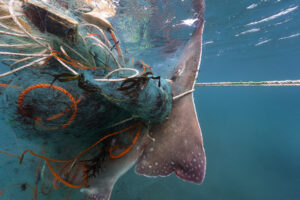
A single encounter – swimming alongside an endangered hawksbill turtle, observing the scars left by fishing line on a grey nurse shark, or a blue grouper’s curious approach – can create a relationship with the ocean that extends far beyond the dive itself. Freedivers begin to witness the personalities and behaviours that make marine life so extraordinary: clownfish defending their anemone homes, tiny wrasse tending underwater cleaning stations, and countless interactions between species that often go unnoticed from above.
These moments transform marine life from something observed at a distance into a familiar community of living creatures with their own behaviours, relationships and vulnerabilities. The threats facing marine environments – from entanglement and pollution to habitat loss and declining populations – become connected to a place they have personally experienced. Through that understanding, the ocean is no longer simply somewhere they visit; it becomes somewhere they feel invested in protecting.
Perhaps the greatest thing freediving teaches us isn’t how long we can hold our breath, but that, sometimes, all it takes is one breath beneath the surface to see the ocean differently – and to spend a lifetime wanting to protect it.
Printed editions
Current issue
Back issues
Enjoy so much more from Oceanographic Magazine by becoming a subscriber.
A range of subscription options are available.
