Baltic ringed seal numbers increase five fold since the "toxic '70s"
A new statistical model developed by the experts at the University of Helsinki suggests that the population has since grown from a concerning 5,000 individuals to some 25,000, bringing the species back from the very brink of extinction in the '70s.

In a bit of good news for the Baltic seal, a new and revised survey of the Baltic ringed seal population has found its number to have increased five fold since the 1970s when long-term overhunting and environmental toxins put the species on the brink of extinction.
A new statistical model developed by the experts at the University of Helsinki suggests that the population has since grown from a concerning 5,000 individuals to some 25,000.
Behind the population growth are hunting bans and the phasing out of environmentally hazardous substances such as PCB and DDT. This decline in environmental toxins has allowed the productive ability of ringed seals to recover to levels typical in a healthy environment.
“Our choices can also have a positive effect on nature. Without the corrective decisions made in the 1970s, the ringed seal population would not be where it is today,” said Professor Jarno Vanhatalo of the University of Helsinki’s Faculty of Biological and Environmental Sciences and Faculty of Science.
A recent study led by Vanhatalo explored how human activity and environmental changes – such as the reduction of pollutants in the Baltic Sea – affect the structure and development of the ringed seal population. The researchers developed a new statistical method that integrates several long-term datasets, allowing for the ringed seal population to be studied in greater detail.
The key datasets included aerial counts as well as samples collected from dead ringed seals, which offer information on the age and gender structure of the population and the reproductive history of the females.
“Modern techniques enable digital population modelling, which allows us to estimate how the population structure and the behaviour of the individuals change in response to variation in the weather, hunting pressure, and other external factors, said Vanhatalo.
In other news
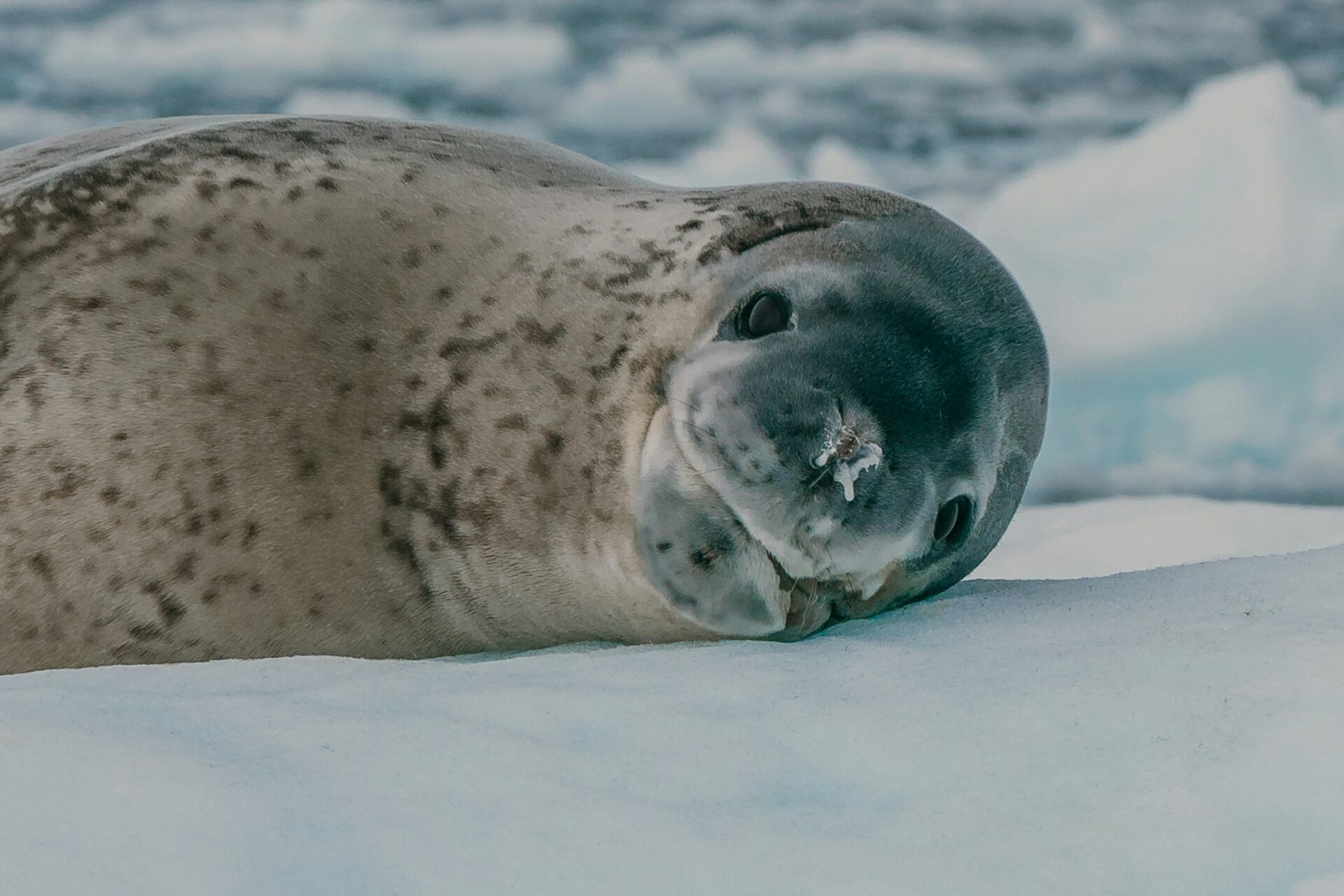
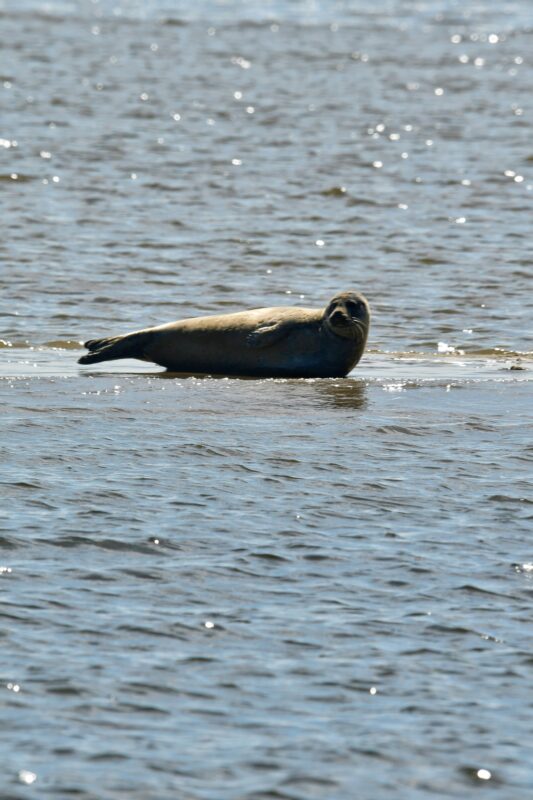
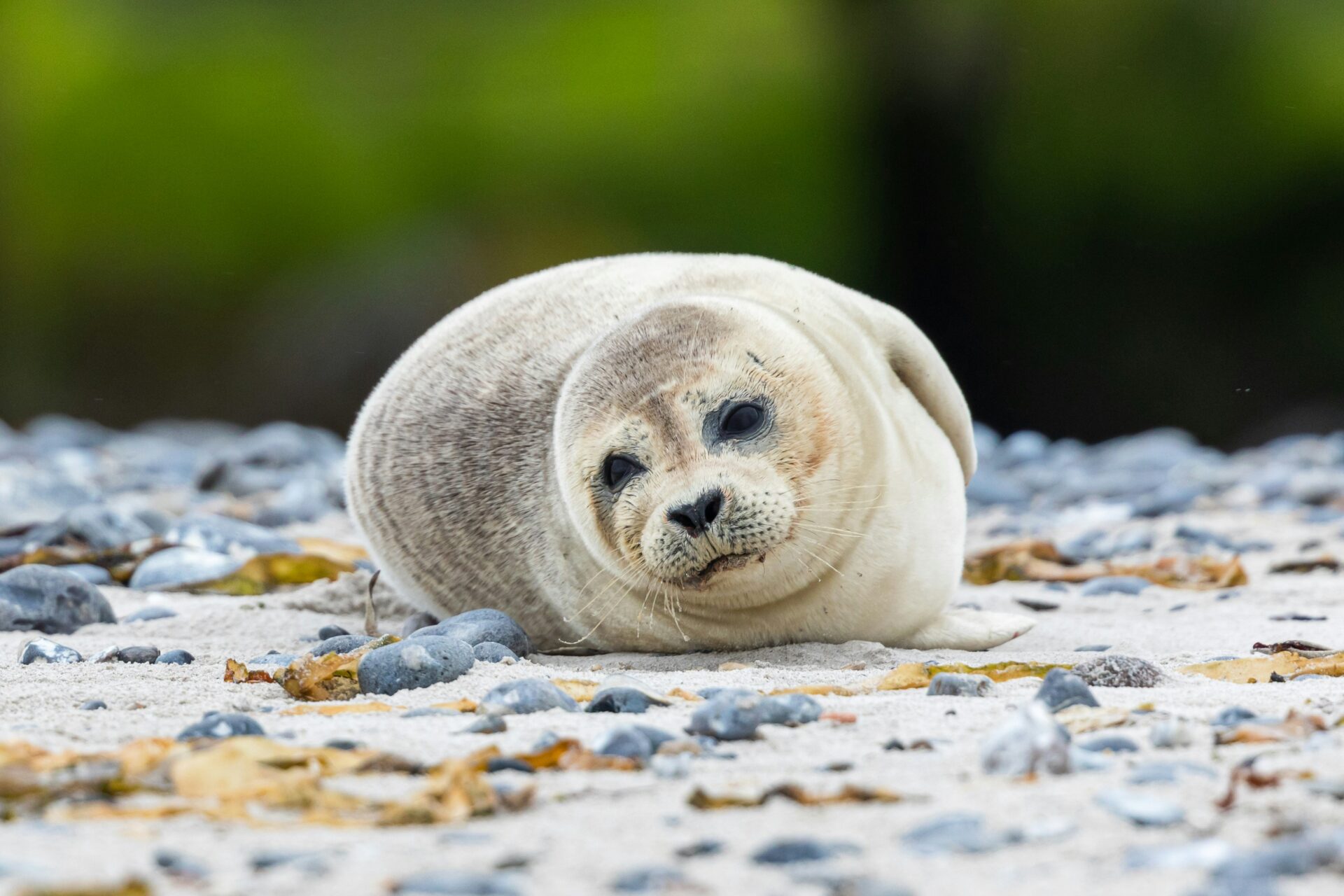
Hunting has significantly affected ringed seal population in recent years. The ringed seal numbers observed in aerial counts have varied considerably, too. Modelling indicates that this variation can be largely explained by changing ice conditions linked to climate change – thought to affect seal behaviour. It also influences how many ringed seals are on the ice and thus are visible during the surveys themselves.
But the modelling also suggests that the resumption of seal hunting in 2015 has also considerably affected the population size and growth rate of the species.
“Hunting affects the ringed seal population. We estimate that, without hunting, the population would grow annually by about 7%. However, hunting has lowered the growth rate to less than 5% and even small increases in hunting quotas are likely to cause a further decline,” said the article’s lead author, Murat Ersalman.
The study aims to demonstrate that modern modelling is a more effective tool for monitoring animal populations and can provide critical aid in decision-making processes, such as setting hunting quotas. The results also support conservation efforts in the Baltic Sea and the work of the Baltic Marine Environment Protection Commission.
The study – entitled Integrated population model reveals human – and environment-driven changes in Baltic ringed seal Pusa hispida botnica demography and behaviour – has now been published in the scientific journal, Marine Ecology Progress Series.
It was carried out in collaboration with Natural Resources Institute Finland, the University of Eastern Finland, the Turku University of Applied Sciences, and the Swedish Museum of Natural History.
Ringed seals are geographically the most widely spread Arctic seals encountered not only in the Arctic Ocean but across the Sea of Okhotsk north of Japan, the Baltic Sea, as well as lakes Saimaa and Ladoga. The Saimaa ringed seal is a species endemic to Finland but one now teetering on the edge of extinction itself, with just 500 individuals in the wild.


"*" indicates required fields
Printed editions
Current issue
Back issues
Enjoy so much more from Oceanographic Magazine by becoming a subscriber.
A range of subscription options are available.