Boom, baby boom: North Atlantic Right whales on the rise
Twenty-three North Atlantic right whale calves were recorded this season - the most since 2009. Scientists say shorter intervals between births suggest improving female health, though the critically endangered species still faces serious threats.
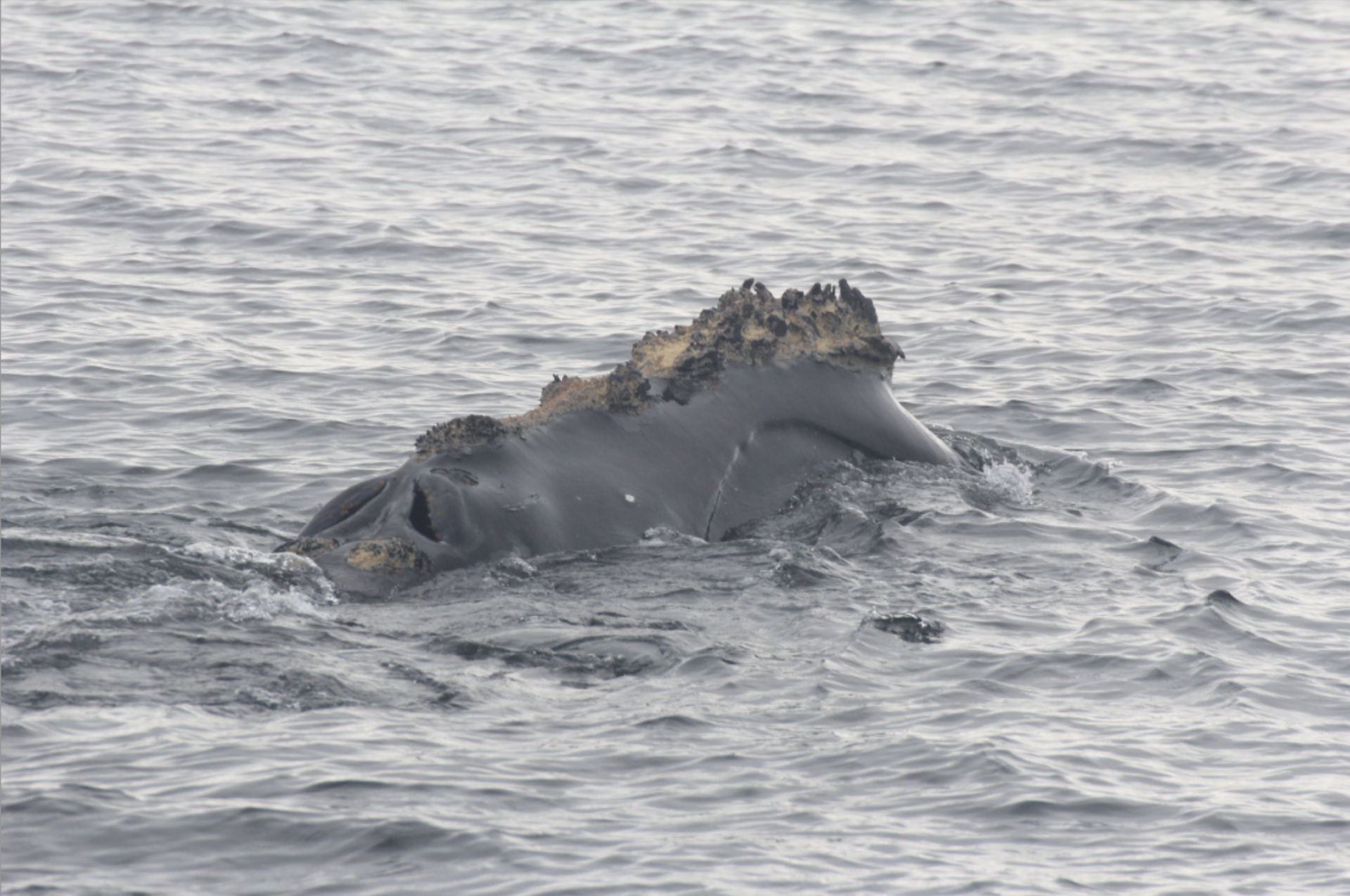
The North Atlantic right whale has ended its 2024–25 calving season with the highest number of calves recorded since 2009 and the fourth-highest count in recorded history as well as the strongest showing in more than 15 years.
Central to the story and those making this milestone possible, some 23 mother-calf pairs were recorded along the southeastern United States coastline between mid-November and mid-April, bringing the total population of North Atlantic Right Whales now to 380 individuals.
These are numbers that, according to scientists at the Anderson Cabot Center for Ocean Life at the New England Aquarium, offer a great deal of encouragement not just for the count itself, but for what it suggests about the reproductive health of the females involved.
“While a healthy right whale can give birth every three to four years, we had been seeing nearly 10 years between calves for some females. Many of this year’s mothers have had shorter intervals – 18 of them previously gave birth within the last six years – giving us hope that they may be healthier and can help grow the population faster,” said Amy Warren, Scientific Program Officer at the Aquarium’s Anderson Cabot Center.
Aerial survey teams across Florida, Georgia, and the Carolinas tracked pairs throughout the season. As it drew to a close, most whales had begun their northward migration – at least 18 of the 23 pairs have since been sighted in Massachusetts waters, with more than a third documented in Cape Cod Bay over the past month.
Three females – two of which are nicknamed Callosity Black, Mirror, the other not yet so – are calving for the first time this season. Two of them – Mirror and the as yet unnamed individual – are just ten years old, the age at which females are typically expected to begin reproducing.
Callosity Back, by contrast, was nearly 20 before her first calf – reflecting a concerning trend seen across the population in recent years.

In other news



At the other end of the spectrum, elder whales named Juno and Ghost, both at least 40 years old, have each now produced at least nine calves – just one shy of the current all-time record.
The season has also revealed an intricate web of family connections.
“This year’s multi-generational cohort is a great example of the breadth of the information in the North Atlantic Right Whale Catalog. ‘Mantis’ and her adult daughter ‘Squilla are both mothers this year. ‘Bocce’ and ‘Millipede’ are sisters, and their aunt ‘Slalom’ is also a mother this year,” explained Warren.
“We have other aunt-niece pairs and even a great aunt. These extensive family trees and life histories would not be possible without the contributions of the broader right whale research community,” he added.
Those family histories are made possible by the North Atlantic Right Whale Catalog – a photo-identification database curated by the Anderson Cabot Center in collaboration with researchers along the eastern seaboard, tracking individual whales across their lifetimes through births, injuries, and migration patterns.
Despite the encouraging figures, researchers are careful not to overstate the moment. Right whales continue to face an Unusual Mortality Event driven by entanglement in fishing gear and vessel strikes, which has long suppressed the species’ ability to recover.
“It is hopeful to see 23 new calves born this year, but their survival into adulthood is still a long journey ahead in an ocean with many dangers and obstacles,” Warren added.


"*" indicates required fields
Printed editions
Current issue
Back issues




Enjoy so much more from Oceanographic Magazine by becoming a subscriber.
A range of subscription options are available.
