Dramatic decline in globally significant dugong population
An aerial survey found a 50% drop in the dugong population off the coast of Northern Australia, scientists are calling for stricter fishing regulations
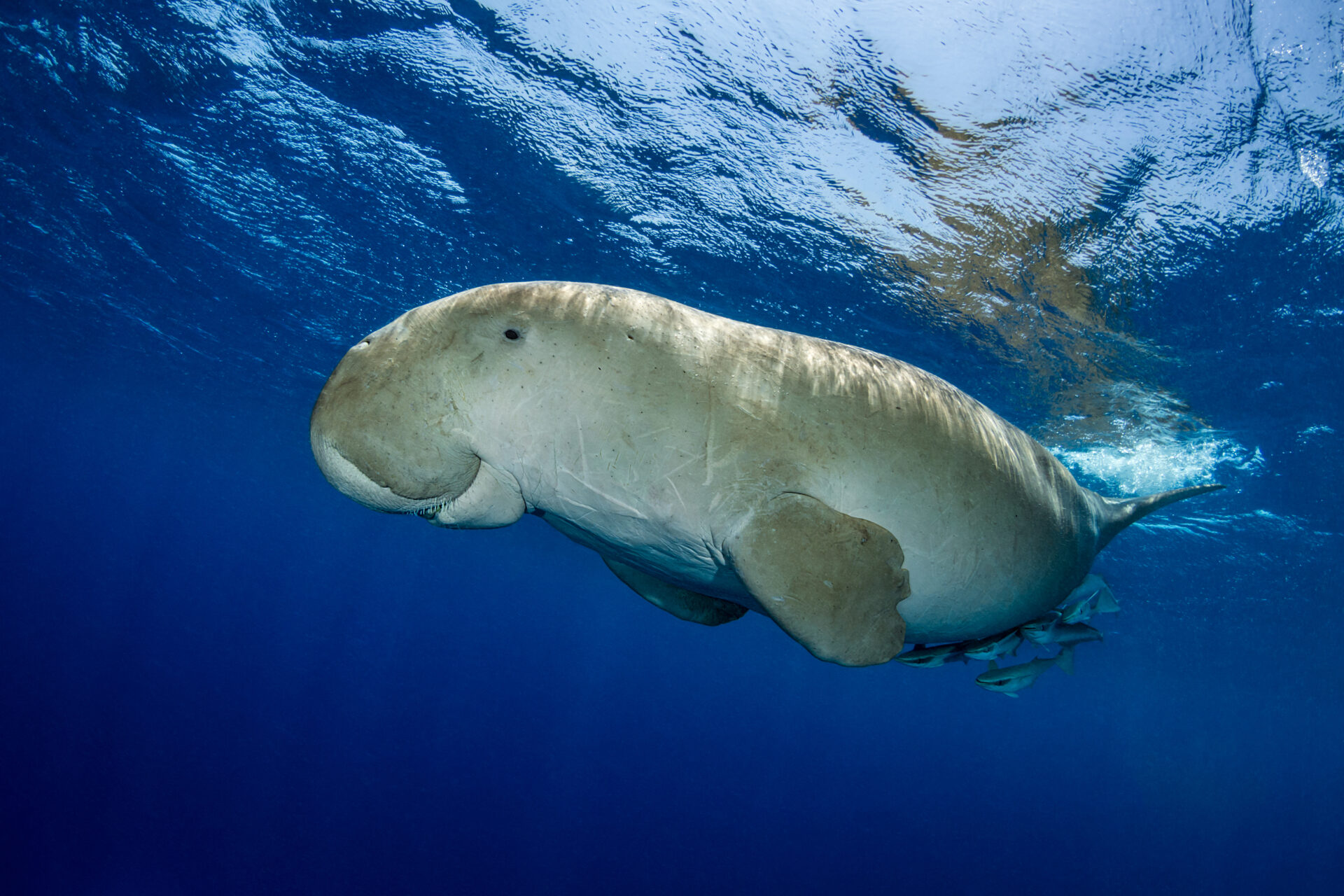
Dugong numbers have declined by 50% in the north coast of Australia, the area home to one of the most important populations globally, with researchers calling on the government to do more to protect this species listed as ‘vulnerable’ by the IUCN.
These large marine mammals are long-lived, slow to breed and therefore slow to recover. After the Torres Strait, the Gulf of Carpentaria supports the second largest population of dugongs in the world.
Their dramatic decline has been met with alarm by researchers from James Cook University, Charles Darwin University and Indigenous Ranger groups.Their aerial survey revealed that dugong numbers in the Gulf of Carpentaria have fallen from 10,000 in 2007 to around 5000 in 2025.
Gulf of Carpentaria is split between two Australian governments: Queensland government and Northern Territory government. Dugong decline is most acute in the Queensland side of the Gulf.
Indigenous rangers and scientists have pointed to a combination of pressures as the reason for the decline: increasingly severe weather events are causing seagrass loss, decreasing the dugong’s sole source of food, while commercial gillnets lead to bycatch.

In other news



Compounding the problem is a jurisdictional divide. The Gulf of Carpentaria is split between two governments – Queensland and the Northern Territory – and while dugongs move freely across that line, protection efforts on either side do not match.
The Northern Territory has committed to a total commercial gillnet ban across its half of the Gulf, though not until late 2027. Queensland’s approach has been more piecemeal: its full gillnet phase-out applies only to the East Coast’s Great Barrier Reef, and in the Gulf itself, the government has introduced just five isolated net-free zones since May 2024, leaving the bulk of its waters still open to commercial netting.
In response, the Australian Marine Conservation Society (AMCS) is demanding greater monitoring of dugongs, their seagrass habitats and any mortality events from fishing is critical to understand the drivers of decline.
“If the data says more needs to be done in Queensland waters, then we need the Queensland Government to act,” marine biologist at AMCS, Dr Leonardo Guida said.
The group is also pushing the Northern Territory to act now rather than wait out its 2027 deadline.
“Dugongs have no idea what a state border is so it’s crucial that the NT Government not only deliver the gillnet phase-out they’ve committed to at the end of next year, but start immediately with prioritising habitats critical to dugongs in the Gulf as gillnet free areas – especially given the risk of concentrated fishing in those areas,” he added.
AMCS is calling on the Queensland and Northern Territory governments to implement their respective Gulf of Carpentaria Inshore Fishery and Barramundi Fishery reforms without delay, including the recommendations put forth by Traditional Custodians and the protection of seagrass meadows; and for collaboration with the Commonwealth Government into resourcing ongoing dugong monitoring and protection of critical habitats.
Click here for more from the Oceanographic Newsroom


"*" indicates required fields
Printed editions
Current issue
Back issues

Enjoy so much more from Oceanographic Magazine by becoming a subscriber.
A range of subscription options are available.
