Engine fraud is undermining Spanish sustainable fishing efforts
Nefarious engine fraud - such as under-reporting fishing vessel engine power - is threatening the sustainability of marine ecosystems and creating inequalities among fishers, fostering “unfair competition” in favour of those with greater engine horsepower.

The ocean advocacy environmental group, Oceana, has issued a damning new report this morning, accusing 94% of the vessels operating in the Spanish Mediterranean of engine manipulation, a fraudulent act by which fishers under-report the horsepower of their vessels.
The team suggests that such activity threatens the sustainability of marine ecosystems and creates inequalities among fishers leading to situations that foster “unfair competition” in favour of those who operate with engines more powerful than is permitted by regulations.
The maximum power allowed among vessels operating in the Spanish Mediterranean currently stands at 904 horsepower for trawlers and 455 horsepower for purse seiners – legal limits that have been in place since 2022.
Based on the analysis of 50 vessels in the region, however, numerous irregularities have been detected, such as the manipulation of engine technical data sheets, the alteration of engine power limiters, and non-compliance with those legal limits. The report finds that as many of 20% of the vessels analysed directly exceed the established legal power limits, with engines of up to 1,600 horsepower – well above the legal maximum.
“Engine fraud fuels inequality and unfair competition between fishers, while also increasing pressure on already overexploited marine resources,” said Ignacio Fresco Vanzini, a policy advisor at Oceana. “It is urgent that the authorities stop turning a blind eye and put an end to this situation.”
Engine power is a key indicator of fishing capacity, especially for trawlers, as it directly determines thrust force, affects maximum sailing speeds, and enables the use of larger and heavier gear. Oceana’s report argues that the “systematic manipulation” of this parameter therefore undermines the recovery of Mediterranean fisheries, which are managed on the basis of fishing effort. By manipulating such data, the calculation of that fishing effort can become significantly distorted, ultimately reducing the effectiveness of management and conservation measures currently underway.
In other news


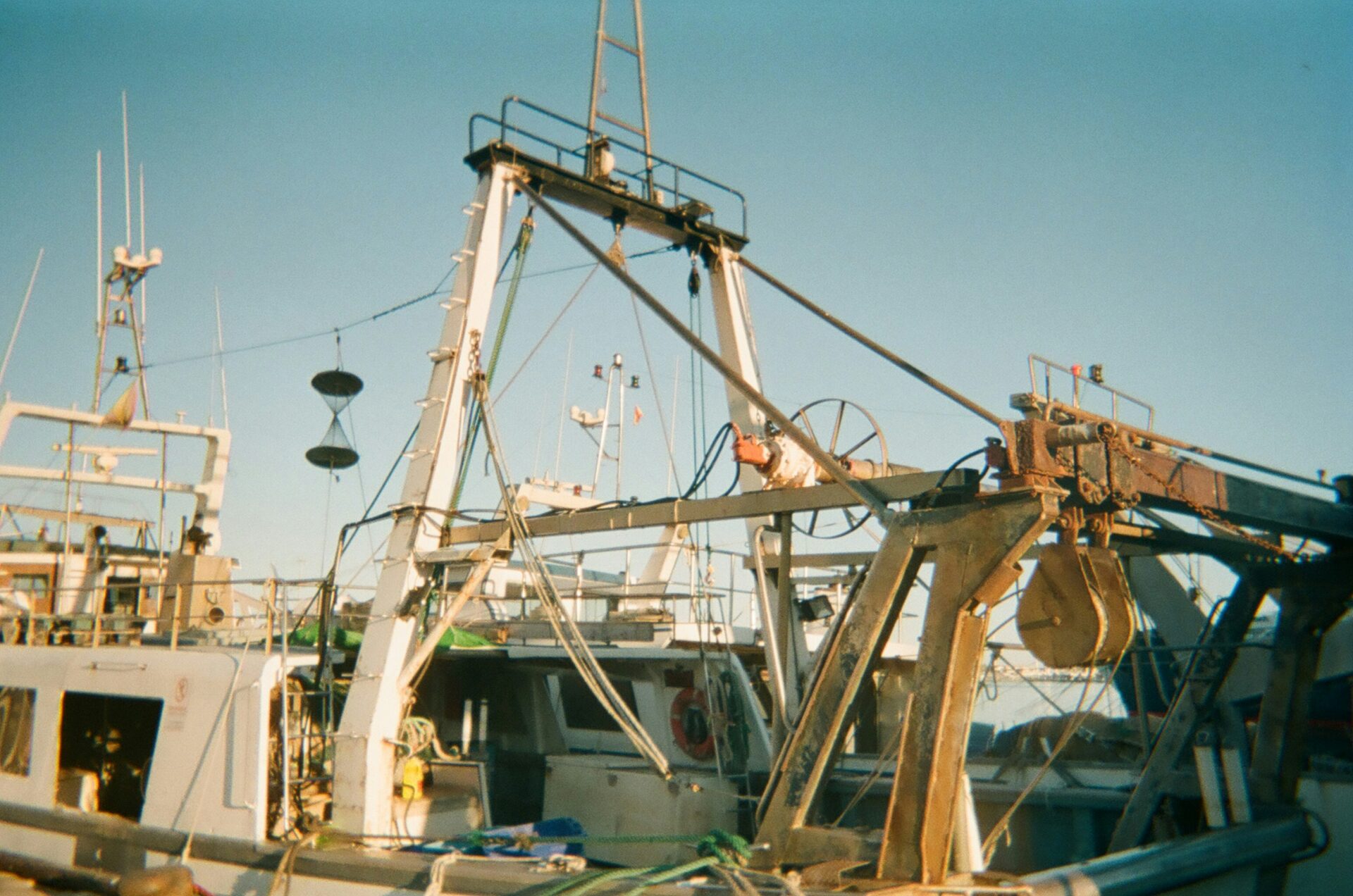
The fishing fleet in the Spanish Mediterranean has been facing a critical situation for decades that threatens its viability, both from an economic standpoint and in terms of the sustainability of marine resources. There has – in recent years – been major efforts made by the fishing industry itself to improve the state of fisheries, including the introduction of the Multiannual Plan for Demersal Stocks in the Western Mediterranean Sea.
Despite this, Oceana has said that the low levels of sustainability and profitability “remain alarming.”
The study – found here both in English and in Spanish – is based on information obtained through interviews with fishers, port staff, and experts from the fishing industry, as well as from technical and scientific studies alongside official documents obtained through requests for access to information.
The findings reveal a systematic, persistent problem that is not limited to fishers but also involves other stakeholders, including the fisheries administration, engine manufacturers and installers, and certification bodies.
As a result of the study, Oceana has called on the Spanish government to implement a national regularisation plan with clear objectives, defined deadlines, and adequate funding to strengthen the current control systems on engine horsepower on fishing vessels, legalise irregular engines in an orderly and transparent manner, regulate the speculative market for the sale and purchase of horsepower, and incentivise the adoption of more selective fishing gear.
According to the ‘official’ data provided, the 50 vessels analysed totalled 14,393 certified horsepower. The actual power amounted to 32,980 horsepower, doubling the declared fishing capacity.


"*" indicates required fields
Printed editions
Current issue
Back issues


Enjoy so much more from Oceanographic Magazine by becoming a subscriber.
A range of subscription options are available.