Fiji, Panama lead global push to protect ocean's twilight zone
Fiji and Panama have launched a global initiative to protect the ocean's twilight zone - a vast, poorly understood layer that underpins the entire marine food web and drives the ocean's carbon pump.
An international commitment to protect one of the ocean’s least understood and most ecologically vital layers was announced at the Our Ocean Conference in Mombasa this week, as Fiji and Panama launched the Mesopelagic Zone Conservation Challenge – a call to governments worldwide to take concrete action to safeguard the deep ocean stratum known as the twilight zone.
Spanning 200 to 1,000 metres beneath the surface, the mesopelagic zone is too often overlooked in conversations around ocean health. Yet its own health underpins the entire ocean food web, drives the biological processes that regulate the global climate, and supports the fisheries that millions of people depend on for food and livelihoods.
“The twilight zone serves as a gateway between the ocean’s surface and the deep sea,” said Chris Dorsett, Vice President of Conservation at Ocean Conservancy, which is leading the initiative alongside the Marine Conservation Institute and Environmental Defense Fund.
“Under threat from climate change, growing commercial interests for the production of fish meal and health supplements, and other activities, this ocean layer urgently deserves a spotlight. By pledging to protect and study the mesopelagic zone, Fiji and Panama are setting a model for the world to follow.”
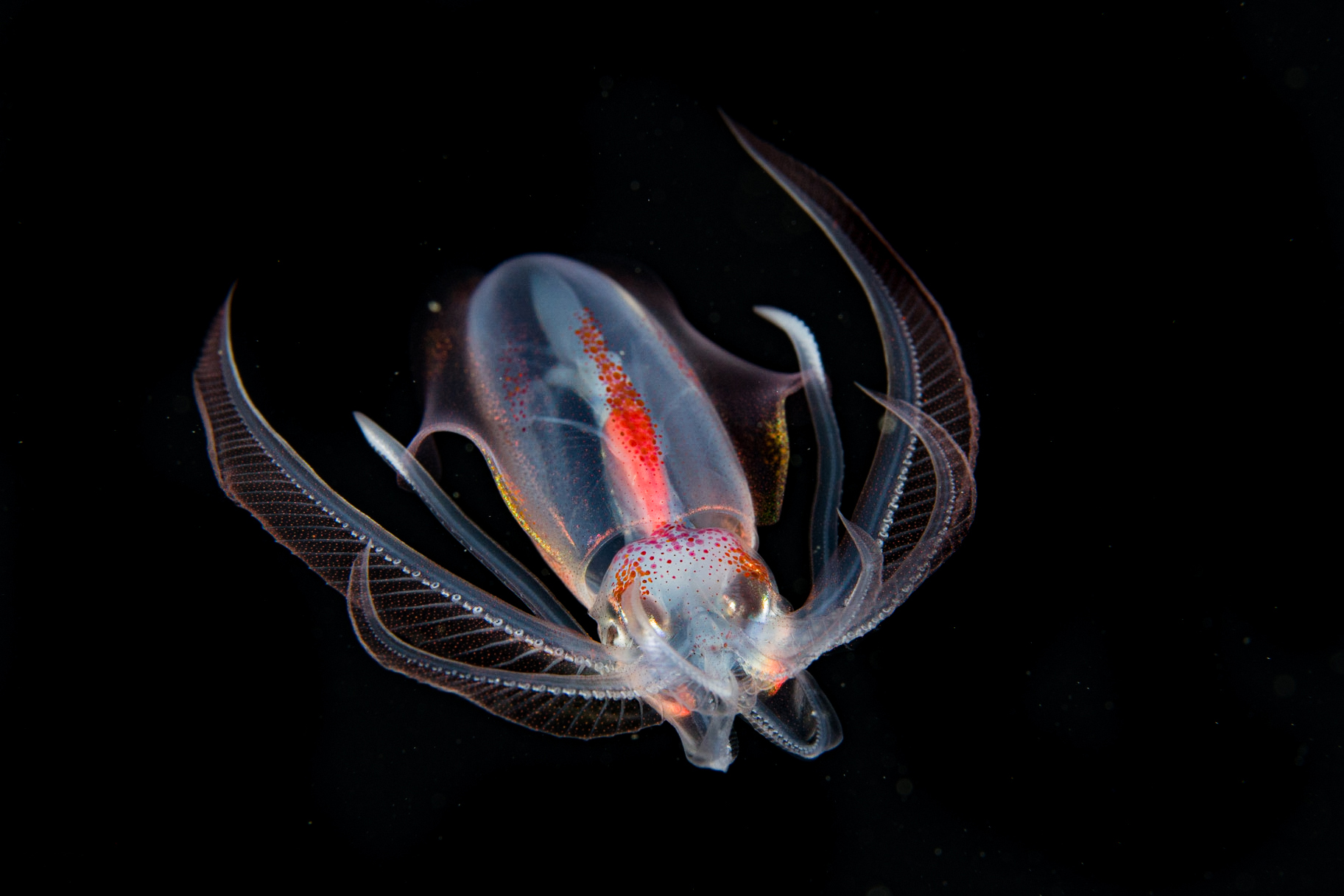
The mesopelagic zone comprises just 20% of the ocean’s volume, yet by some estimates contains upwards of 90% of the ocean’s fish biomass. Every day, billions of its inhabitants – lanternfish, squid, shrimp and countless other species – migrate vertically to the surface to feed before descending again, carrying carbon with them. That daily migration drives what scientists call the ocean’s biological carbon pump, transferring an estimated two to six gigatons of carbon per year from surface waters to the deep sea.
On the low end, this is roughly double the annual emissions produced by every car on Earth.
“Marine life in the twilight zone does more than provide food,” said Lance Morgan, president of the Marine Conservation Institute. “Everyday, billions of mesopelagic animals migrate to the surface to feed, transporting carbon back down, creating the ocean’s biological carbon pump. They transfer an estimated two to six gigatons of carbon per year from the surface to the deep sea, on the low end, an amount equivalent to double the emissions produced annually by all cars worldwide. Most of this carbon stays in the twilight zone or sinks even deeper, reducing atmospheric CO₂.”
The zone is now facing pressure from multiple directions. As populations of commercially important small fish such as anchovies are projected to decline under climate change, the fishing industry is increasingly looking to the mesopelagic zone as an alternative source of marine protein.
Lanternfish – smaller than a pencil but rich in omega-3 fatty acids – have emerged as a target for aquaculture feed, pet food and human health supplements. They currently account for an estimated 60% of all deep-sea fish, with a total biomass of around 600 million tons. The prospect of deep-sea mining adds further risk, alongside the accelerating effects of warming waters and deoxygenation.

In other news


For Fiji, the commitment is bound up in the survival of Pacific communities. “As a Pacific island state deeply dependent on healthy marine ecosystems, Fiji strongly believes in the critical importance of protecting the ocean twilight zone for the long-term health of our ocean and the well-being of Pacific communities,” said Sivendra Michael, Fiji’s permanent secretary for environment and climate change.
The ecological connections are also highly local. Ocean Conservancy analysis found that the mesopelagic zone is the primary food source for Kenya’s tuna and swordfish fisheries – with twilight zone species making up as much as 81% of swordfish diets and 46% of yellowfin tuna diets. Kenya’s tuna and swordfish industry reported earnings of $3.3 million in 2023, supporting hundreds of local fishermen. The depletion of mesopelagic species would deliver a direct blow to those livelihoods.
Scientists are clear that the rush to exploit this zone is outpacing the understanding needed to manage it responsibly.
“What’s so alarming about the increased commercial interest in the twilight zone is that we still have so much to learn about this part of the ocean and the unique ecosystems it contains,” said Kristin Kleisner, associate vice president of ocean science at Environmental Defense Fund.
“We have only cataloged a fraction of the species living in this layer, and we don’t fully understand their role in ocean food webs and the ocean’s carbon cycling, but we know enough to know that protecting this zone is essential for a healthy ocean and a thriving planet.”
Portugal and Vanuatu also expressed support for the initiative’s goals at the conference. Participating governments commit to applying a precautionary approach to fishing and other potentially harmful activities in the zone, advancing scientific understanding of this still-mysterious ocean layer, establishing robust management frameworks for any future activities, and advocating for mesopelagic protections to be included in key UN decision documents, including the Sustainable Fisheries Resolution.


"*" indicates required fields
Printed editions
Current issue
Back issues

Enjoy so much more from Oceanographic Magazine by becoming a subscriber.
A range of subscription options are available.
