First-of-its kind AI system could transform coral reef restoration
The system enables early-intervention, ensuring a better success rate for coral reef restoration projects worldwide
An estimated 70% of reef restoration projects fail because stress and disease are detected too late for effective intervention – but a new, bespoke, AI coral system could drastically reduce this statistic.
Led by PhD research student Nicole Yeomans, and marine scientist Professor Michael Sweet at the University of Derby, the system – named BlueBiome – applies the same principles of preventive and precision health commonly used when treating human gut health.
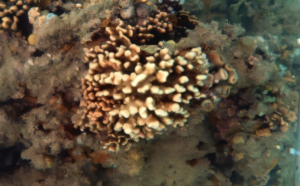
The AI system is trained to “see” coral stress like a marine biologist – drawing from data developed as part of Yeoman’s PhD. The platform then flags symptoms of stress, like bleaching, tissue lesions and necrosis, and pigmentation changes.
The technology allows this monitoring on the kind of scale that would not be possible manually in the field.
The AI analysis is then combined with microbiome genetic monitoring, where coral samples are analysed over time to assess microbial health – similar to gut health testing in humans.
After assessing the “microbiome” of the corals it then provides targeted treatment based on the specific needs of coral.
The research is currently being conducted with public aquariums and hobbyists in controlled environments, with the hope that in the long-term, the programme can be introduced on a global scale to improve reef success rates worldwide and protect them from increasing climate pressure.

In other news
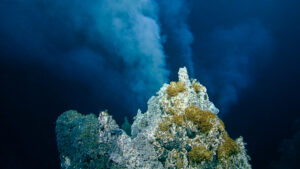

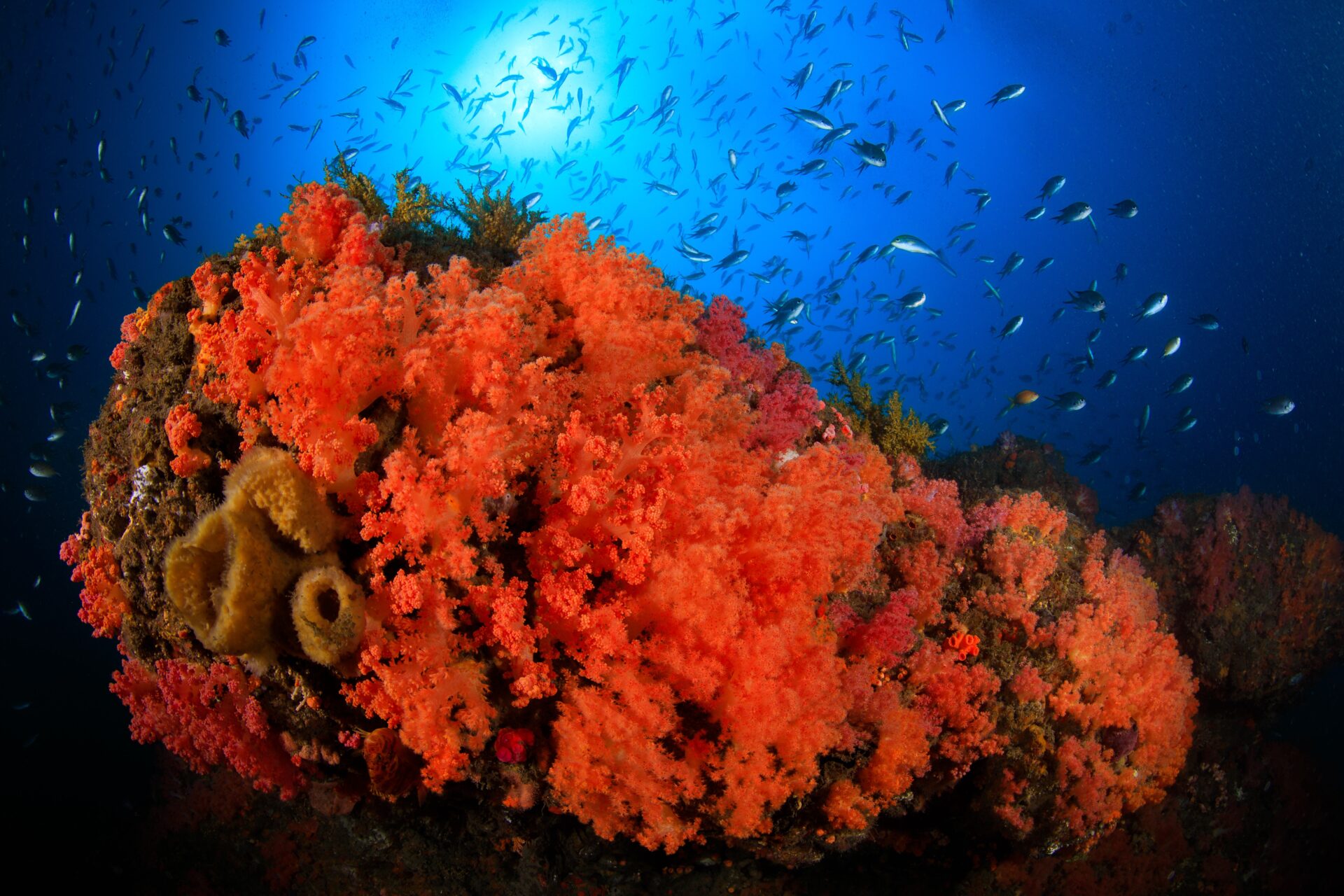
Nicole Yeomans, lead researcher and co-founder of BlueBiome, said: “Most coral restoration projects fail because we are intervening too late. By the time bleaching or disease is visible, the coral is already at a major risk.”
“Our research aims to put a stop to this by spotting stress early and intervening before damage becomes irreversible,” she added.
Professor Michael Sweet, Professor of Molecular Ecology at the University of Derby, said: “AI image analysis, microbiome diagnostics and probiotic treatments each have benefits on their own, but by combining them into a single feedback-driven system, we get a far more accurate picture of coral health, which informs what actions we should take.”
“To our knowledge, this is a completely new approach with real potential to improve reef restoration success globally,” he added.
Click here for more from the Oceanographic Newsroom


"*" indicates required fields
Printed editions
Current issue
Back issues
Enjoy so much more from Oceanographic Magazine by becoming a subscriber.
A range of subscription options are available.