Five-year plan aims to cut whale entanglements in Canadian waters
Canada has launched a five-year Whalesafe Fishing Gear Strategy to reduce whale entanglements, expand ropeless fishing technology, and protect North Atlantic right whales, aiming to balance sustainable fisheries with marine conservation.

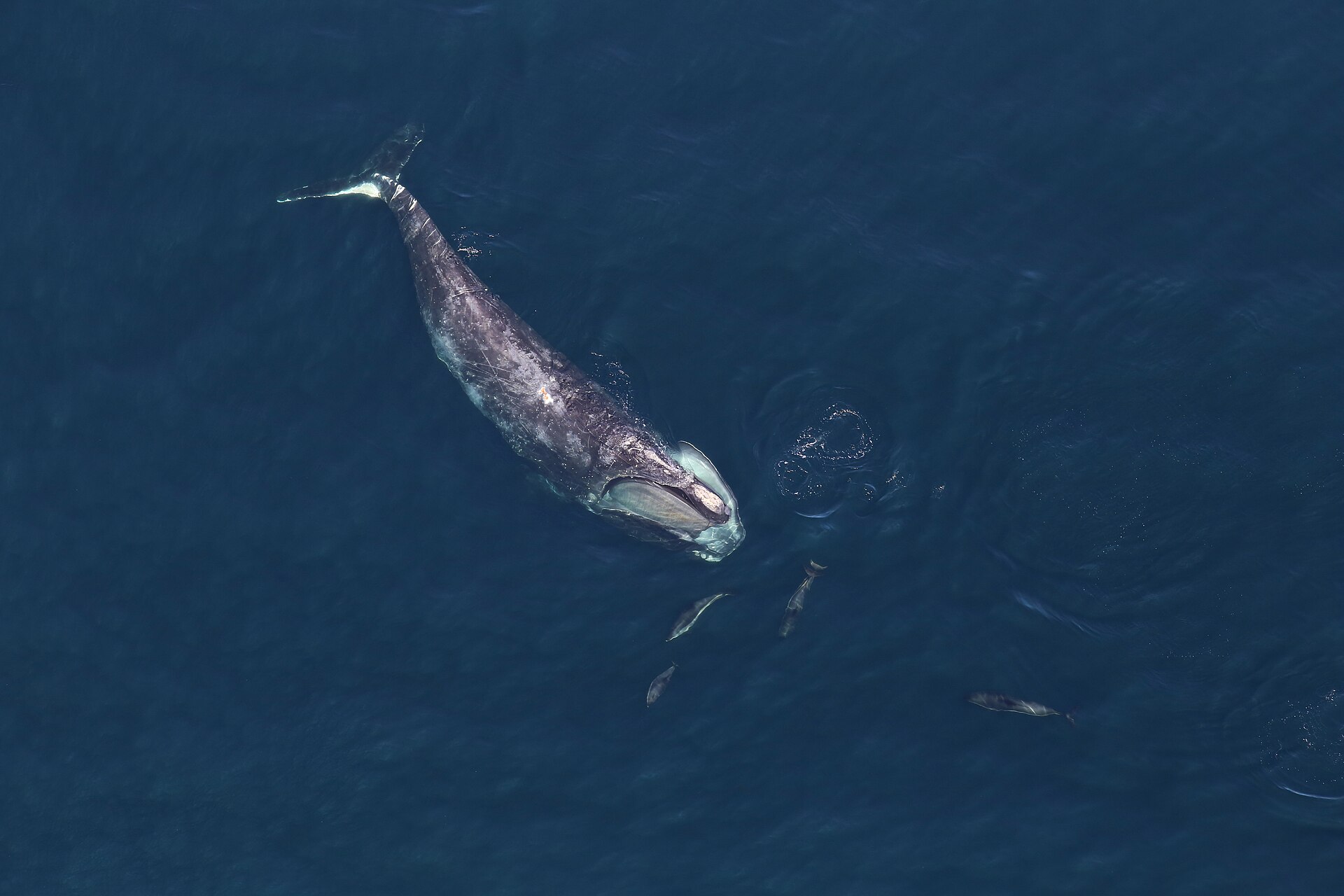
Canada has unveiled a sweeping new plan aimed at reducing deadly whale entanglements while safeguarding the future of its coastal fisheries. Earlier this month, Fisheries and Oceans Canada released its Whalesafe Fishing Gear Strategy – a five-year national framework designed to lower the risk of entanglements, particularly for the critically endangered North Atlantic right whale.
Announced by Joanne Thompson, Canada’s Minister of Fisheries, the strategy sets out how DFO will work alongside harvesters, Indigenous rights holders, gear manufacturers and conservation groups to ‘transition toward safer fishing practices’ in high-risk areas.
The initiative will begin on Canada’s east coast, with national implementation targeted by 2030.
Canada’s fisheries underpin coastal economies and cultural traditions, but they operate in waters shared with numerous whale species. The North Atlantic right whale remains especially vulnerable to entanglement in fixed fishing gear. The recent death of a four-year-old male right whale known as Division from entanglement-related injuries underscores the urgency of action, particularly as the species prepare to return to Canadian waters for the summer season.
“Harvesters have been leading the way on safer gear and innovative fishing practices for years,” said Thompson. “This Whalesafe Fishing Gear Strategy builds on that work, bringing more tools into the fisheries where they can help reduce entanglements, protect whales and keep crews safe on the water. We’ll keep working closely with industry, Indigenous partners and experts to expand what’s proven, practical and ready to use.”

In other news


Central to the strategy is the expansion of on-demand, or “ropeless”, fishing gear – systems that eliminate the vertical lines in the water column most often implicated in whale entanglements. The framework establishes clear objectives and dated milestones, including entanglement risk assessments and the designation of pilot areas for on-demand gear.
DFO will complete an entanglement risk assessment for North Atlantic right whales in fixed-gear fisheries in the Gulf of St. Lawrence by 2027. Pilot areas for on-demand gear are also expected to be established by that year, moving beyond small-scale trials where the technology has already proven operationally effective.
By 2028, the department plans to expand on-demand gear use in fisheries posing the greatest entanglement risk, subject to pilot outcomes and fishery-specific considerations. In some eastern Canadian fisheries, harvesters can already continue operating in areas temporarily closed due to right whale detections if their gear meets approved whalesafe standards.
The strategy builds on years of collaboration between government, fish harvesters, Indigenous groups and ocean advocates, including Oceana Canada. Between 2021 and 2023, DFO distributed $20 million through the Whalesafe Gear Adoption Fund, supporting 34 projects. Additional funding has flowed through programs such as the Atlantic Fisheries Fund and the Canada Nature Fund for Aquatic Species at Risk.
“It’s encouraging to see the work the government, harvesters, rights holders, stakeholders, and others have put into this strategy,” said Hanna Vatcher, North Atlantic right whale campaigner at Oceana Canada. “It’s a concrete step forward, with clear process timelines, direction and a real focus on solutions. The strategy sets the pathway for steady, transparent progress. Delivering on it through implementation, sustained funding, and ongoing support will be critical to saving North Atlantic right whales from extinction.”
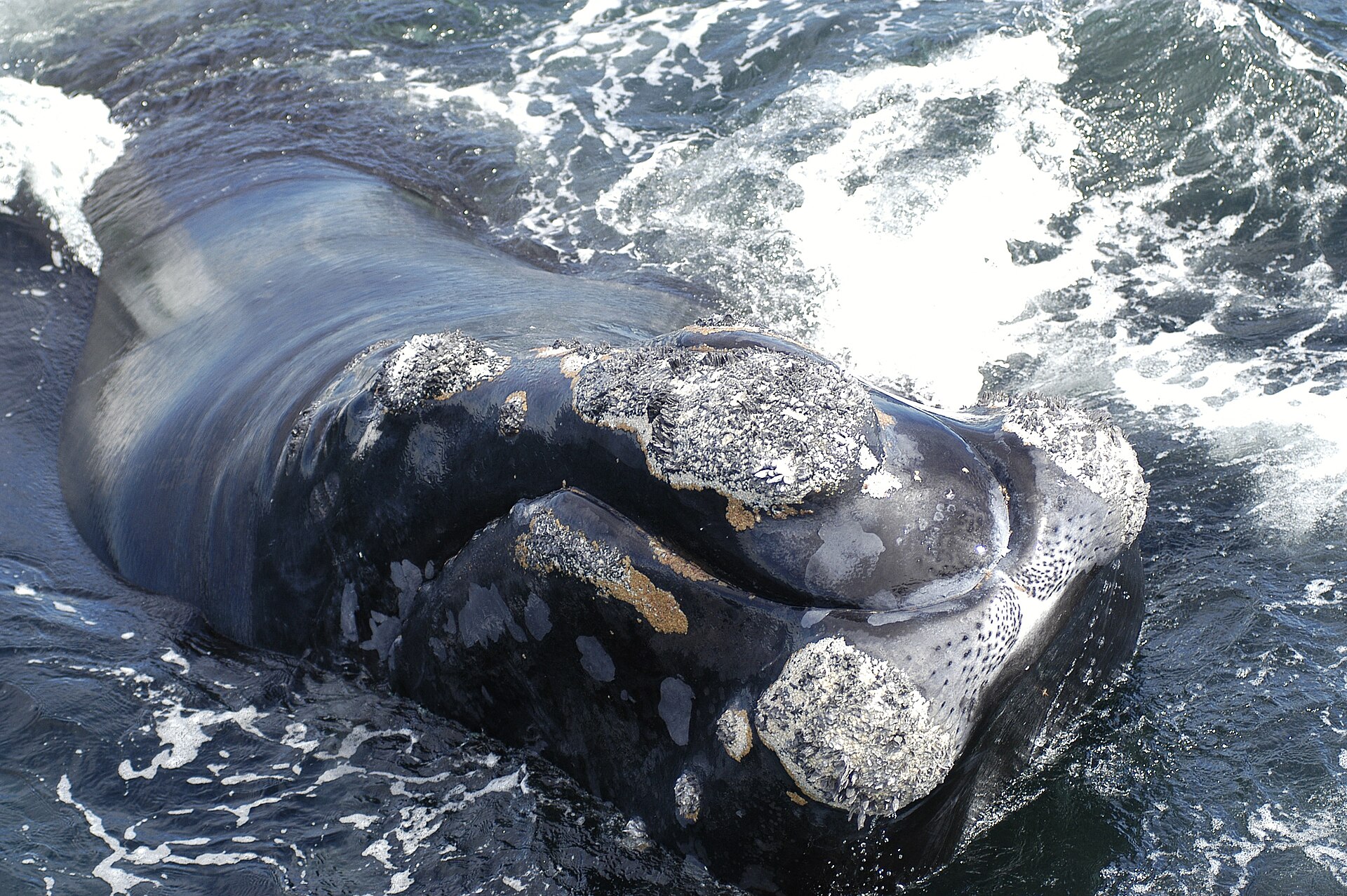
The Whalesafe Fishing Gear Strategy emphasises that whale protection and fishery sustainability are not mutually exclusive goals. Developed through extensive engagement – including the Whalesafe Gear Trial Results Symposium (2023) and the 2nd International Fishing Gear Innovation Summit (2025) – the framework recognises regional diversity in fishing practices and incorporates Indigenous knowledge into decision-making processes.
“It’s encouraging to see the work the government, harvesters, rights holders, stakeholders, and others have put into this strategy. It’s a concrete step forward, with clear process timelines, direction, and a real focus on solutions,” continued Vatcher.
“Importantly, the strategy recognises that protecting whales and supporting fishing communities must go hand in hand. By collaborating with harvesters and advancing practical whalesafe gear, Canada is taking a meaningful step toward fisheries that can thrive without putting endangered whales at risk.
“The strategy sets the pathway for steady, transparent progress. Delivering on it through implementation, sustained funding, and ongoing support will be critical to saving North Atlantic right whales from extinction.”
As right whale calves continue to be born and migratory seasons bring the species back into Canadian waters, the release of the strategy marks what many see as a pivotal moment. Its success will depend not only on technological innovation, but on sustained collaboration between regulators and those who make their living at sea.


"*" indicates required fields
Printed editions
Current issue
Back issues


Enjoy so much more from Oceanographic Magazine by becoming a subscriber.
A range of subscription options are available.
