Scientists solve mystery of how seals hear in air and underwater
The discovery has been made by scientists at the Natural History Museum in London, using micro-CT scans of more than 200 living and fossil seal specimens from the museum's collection - one of the finest of its kind anywhere in the world.
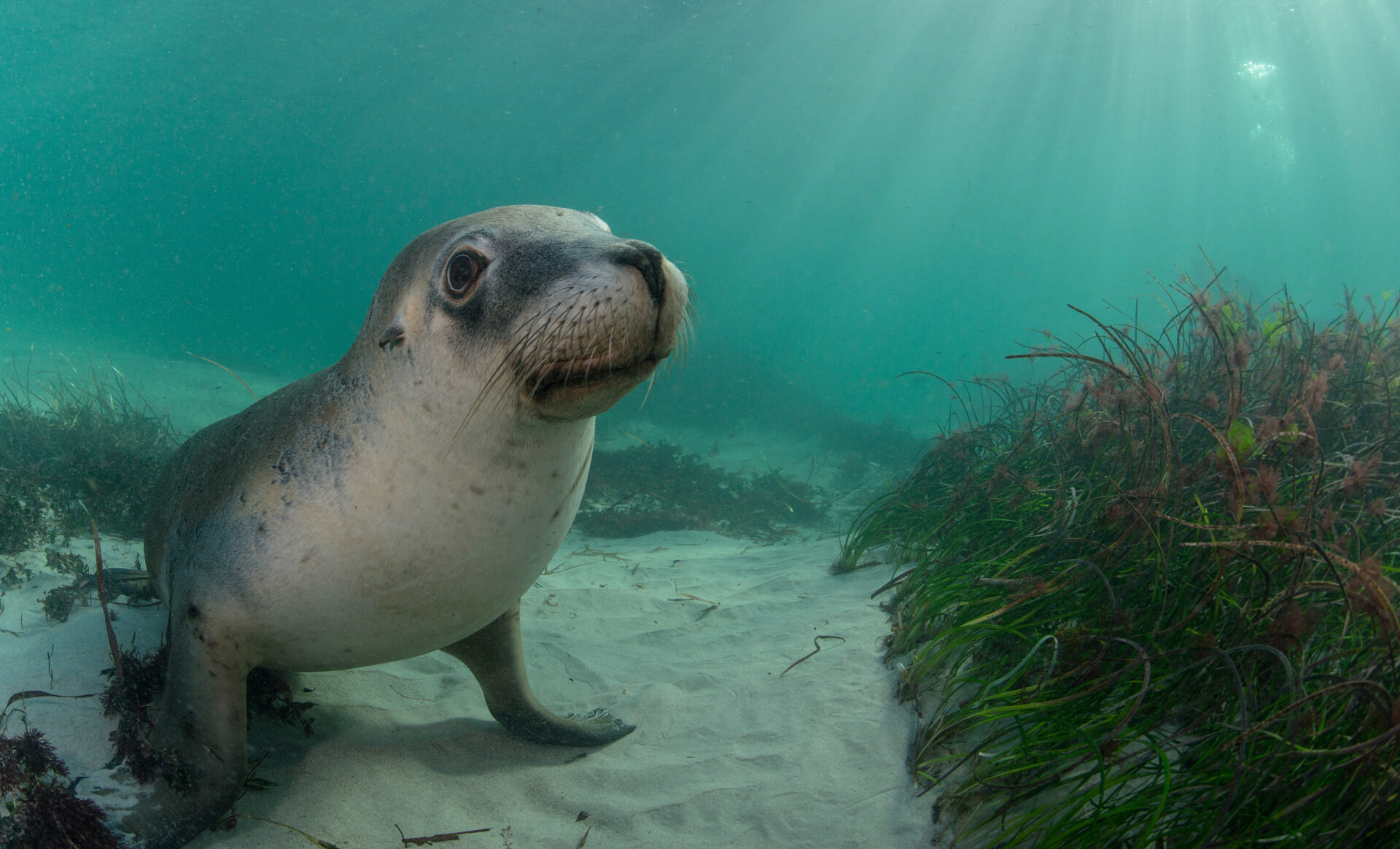
Seals are the only mammals capable of hearing equally well in both air and water. Now, after decades of scientific puzzlement, researchers have worked out how they do it… and the answer lies in a remarkable biological adaptation that evolved more than 26 million years ago.
The discovery has been made by scientists at the Natural History Museum in London, using micro-CT scans of more than 200 living and fossil seal specimens from the museum’s collection – one of the finest of its kind anywhere in the world.
Their findings, published in the journal Proceedings of the Royal Society B, reveal that the secret lies in what is known as cavernous tissue: a structure in the seal’s middle ear that swells with blood when the animal dives, protecting the ear from the extreme pressure changes that occur at depth.
The mechanism is a simple one. In land mammals, including humans, sound waves travel from the eardrum through an air-filled space to the cochlea, where they are converted into neural signals. Underwater, this system fails – the air pocket reflects almost all incoming sound. But because blood has a similar density to seawater, a blood-filled middle ear transmits sound far more efficiently, allowing it to pass through to the cochlea and be heard clearly beneath the surface. On land, the tissue drains, restoring the air-filled structure needed for hearing in air. The same ear, in effect, works in two entirely different ways depending on the environment.
“We know that seals are masters of sound,” said Dr James Rule, the study’s lead author and a Scientific Associate at the Natural History Museum and Postdoctoral Research Fellow at Monash University.
“They have eerie songs that sound like something out of a sci-fi film, can keep a beat and can even mimic human speech. But how they manage to hear in air and water has been a puzzle for decades. We now know that the cavernous tissue in their ears holds the answer. Fossils of seals and their relatives suggest that this extraordinary mechanism evolved more than 26.7 million years ago, with all modern seals inheriting their amphibious hearing from this one event.”

In other news




The fossil record mapped by the research traces the evolution of this capability through seal ancestors and relatives. Ancient relatives such as Potamotherium and Puijila likely only heard well in air. Animals like Enaliarctos would have been among the first to develop amphibious hearing, as the ancestors of modern seals moved into the sea and hearing underwater became a survival advantage.
The hearing abilities of later seals shifted in different directions depending on lifestyle – early true seals like Devinophoca appear to have been better adapted for underwater hearing, while the first eared seals leaned more toward hearing in air.
Dr Natalie Cooper, Merit Researcher at the Natural History Museum, emphasised both the institutional significance of the research and its practical urgency. “The Natural History Museum has some of the best seal collections in the world, and this study really shows its value. This research simply wouldn’t have been possible without these specimens, which have been collected across hundreds of years from all over the world. It’s important that we know how seals hear because noise pollution in the ocean is growing. As the seas get louder, it’s harder for seals to find mates and communicate with each other – putting their survival at risk. By understanding how these animals hear, we can start to put solutions in place.”
Ocean noise pollution – from shipping, sonar, seismic surveys and construction – is one of the least visible but most pervasive threats facing marine mammals. Understanding how seals process sound, and which frequencies and environments matter most to their survival, is now a more urgent scientific priority than ever.


"*" indicates required fields
Printed editions
Current issue
Back issues
Enjoy so much more from Oceanographic Magazine by becoming a subscriber.
A range of subscription options are available.
