Shark and ray crises takes centre stage at pivotal CITES summit
Environmental charities and NGOs have urged leaders to heed stark warnings over the rapid loss of shark and ray populations and use this week's COP20 CITES to take urgent action in strengthening protections for species on the brink of extinction.

As delegates streamed into the the 20th meeting of the Conference of the Parties to CITES (CoP20) this morning, the Wildlife Conservation Society arrived with a message that couldn’t be ignored – that the window within which to take decisive action and halt the accelerating collapse of global shark and ray populations is one rapidly closing.
According to the Wildlife Conservation Society (WCS), more than 37% of shark and ray species now face extinction, a statistic that swells alarmingly for species involved in international trade. More troubling, still – fresh genetic analyses from major seafood markets reveals that shark products are now moving through global commerce at volumes far exceeding what official CITES data reflects.
WCS has argued that the gap in this data points to a ‘shadowy, persistent tide’ of illegal and unreported trade.
At sea, the picture is even bleaker. Pelagic shark populations cruising the high seas have plummeted by over 70% in the past half-century, and reef sharks – once synonymous with vibrant coral ecosystems – are now functionally gone from one in five reefs surveyed worldwide. Scientists warn that without coordinated, decisive intervention, entire lineages could vanish from oceanic memory.
This year’s CITES agenda may represent the strongest attempt yet to prevent that loss. More than 50 governments have co-sponsored a sweeping suite of proposals aimed at fortifying protections for sharks and rays:
-
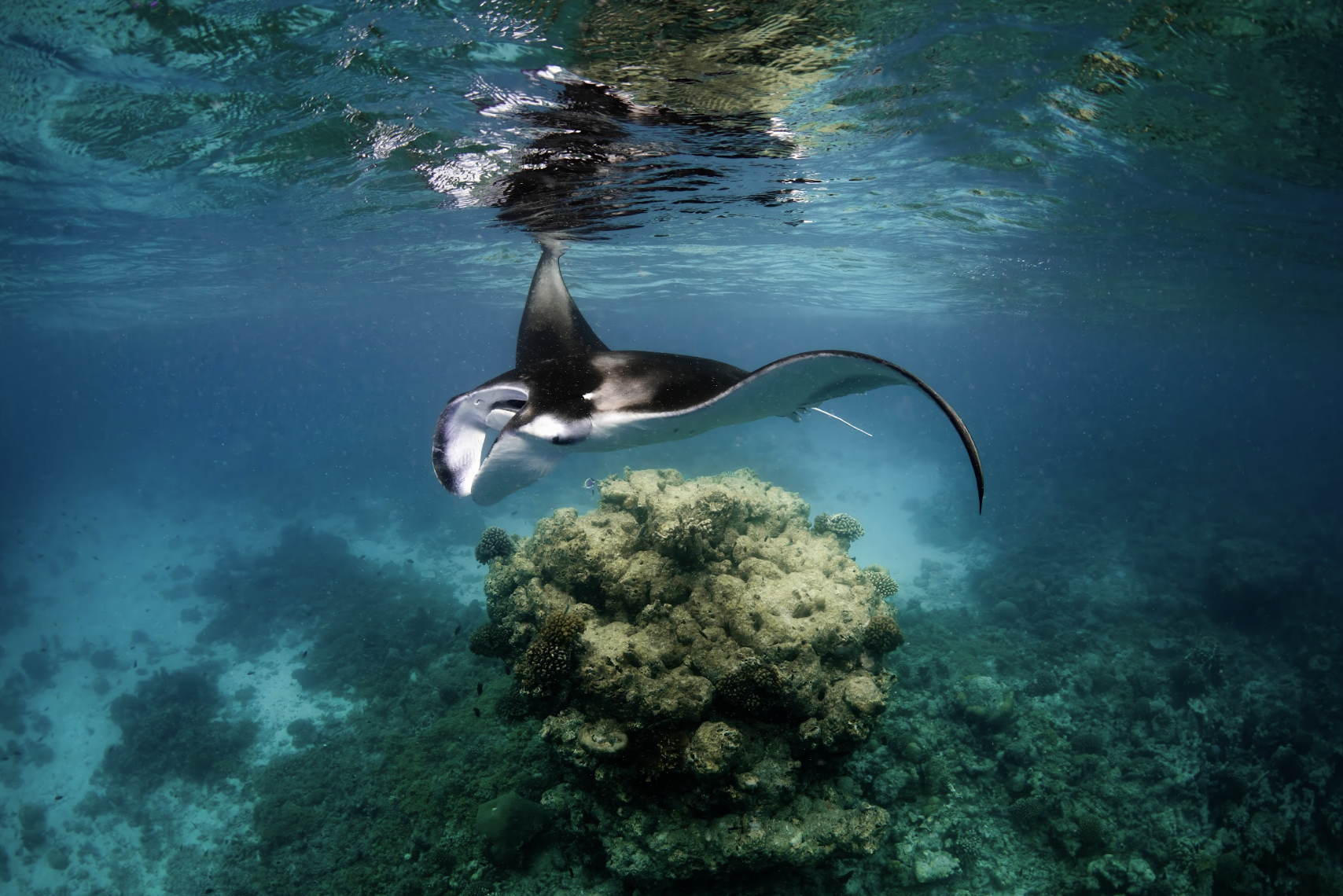
Appendix I: Oceanic whitetip shark; all manta and devil rays; whale shark
-
Zero export quotas: All wedgefish and giant guitarfish species
-
Appendix II: Gulper sharks; smoothhound and tope sharks
If adopted, the measures would pull almost the entire global fin trade – and much of the shark meat trade – under binding CITES regulation, a milestone conservationists have sought for decades.
In other news


“CoP20 is a test of global will,” said Luke Warwick, Director of WCS Shark & Ray Conservation. “Species like oceanic whitetip sharks, manta rays, and whale sharks cannot withstand commercial trade. The science is unequivocal, and the tools and support to implement CITES already exist. CITES Parties must act before these animals disappear from our oceans entirely.”
The proposed listings would synchronise CITES with the growing chorus of international frameworks – among them the Convention on Migratory Species and the major tuna Regional Fisheries Management Organisations – which already bar retention of many threatened shark species. WCS notes that identification guides, genetic testing kits, and enforcement tools are readily available to help governments roll out new protections quickly.
“We are quickly approaching a conservation tipping point for sharks and rays,” warned Dr. Susan Lieberman, WCS Vice President of International Policy. “We are running out of time to enact and enforce the global measures needed to prevent widespread extinctions.
“These proposals bring CITES in line with other global commitments and send a clear signal that the world intends to protect these remarkable animals before it is too late. This is how we turn the tide.”
As CoP20 begins, one thing is clear: the fate of sharks and rays – icons of the ocean’s wild frontiers – may hinge on decisions made in the coming days. The world’s attention now turns to the delegates, and to whether their resolve matches the scale of the crisis surging beneath the waves.
Earlier this month, a global study led by the Manta Trust delivered the first comprehensive estimate of manta and devil ray mortality worldwide – revealing an alarming 265,000 mobulids killed every year.
Drawing on fisheries records, global databases, and expert input, the study finds that small-scale coastal fisheries (<15 m vessels) account for 87% of mobulid deaths, with mortality concentrated in India, Indonesia, Sri Lanka, Peru, and Myanmar. Most rays die in non-selective drift gillnets, retained primarily for the lucrative gill plate trade and, to a lesser extent, for meat.
“Mobulids are among the most charismatic and biologically vulnerable marine animals,” said Dr Guy Stevens, Chief Executive and Co-Founder of the Manta Trust. “This study provides the strongest evidence yet that overfishing, particularly by small-scale coastal fleets, is pushing these species toward collapse. The solutions are clear – what’s needed now is the political will to implement them.”


"*" indicates required fields
Printed editions
Current issue
Back issues
Enjoy so much more from Oceanographic Magazine by becoming a subscriber.
A range of subscription options are available.
