Greece makes strides to reverse overfishing off Amorgos
The ban is the fruit of an 11-year campaign led by local fishermen to try to preserve stocks that have run out. It was described by Blue Marine Foundation as “an act of collective courage for the future of the sea and the local economy."

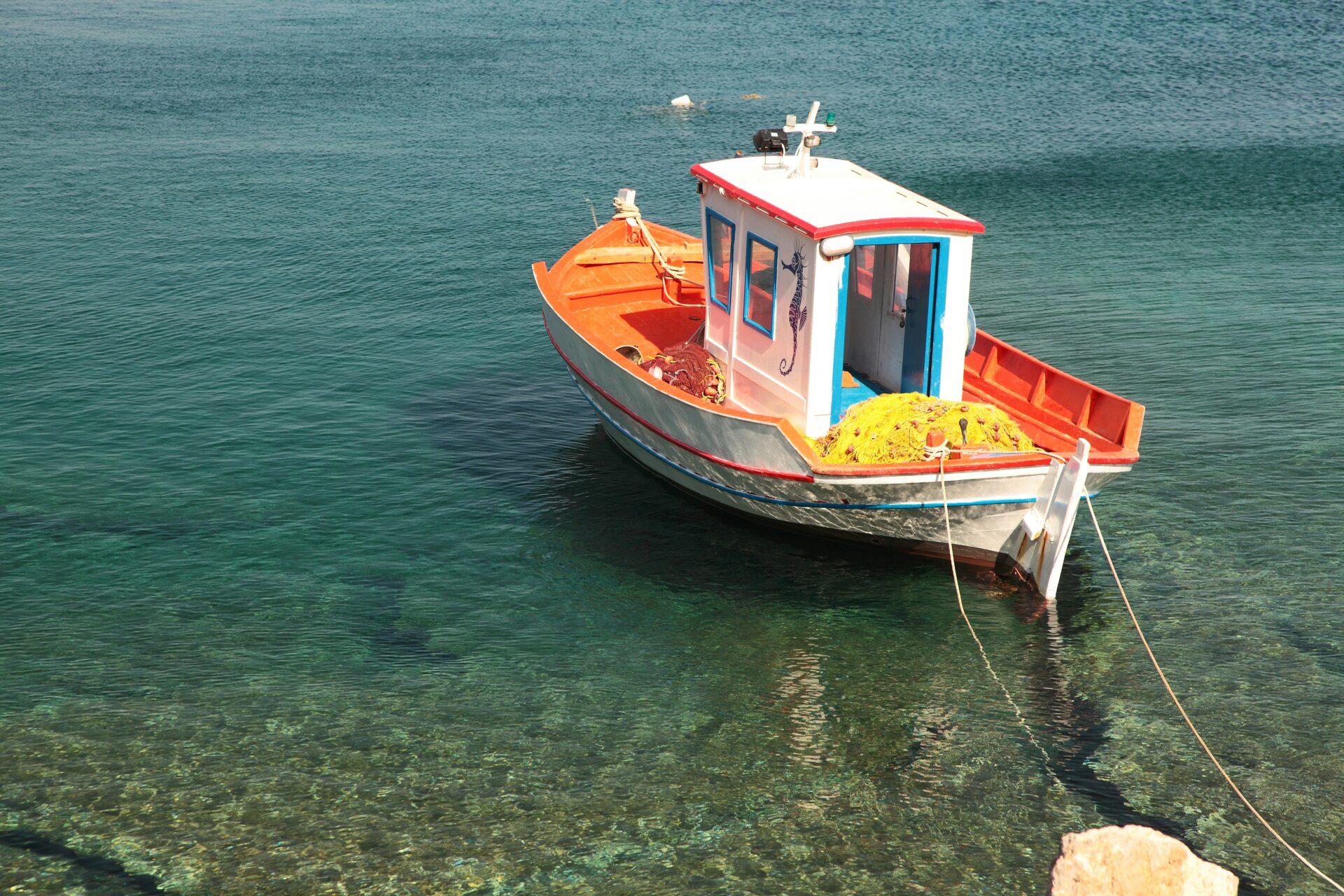
In a groundbreaking new move to mitigate the impact of overfishing off the Greek island of Amorgos, a new Presidential decree has been published placing a year-round fishing ban across three of its most critical marine areas.
The ban is the fruit of an 11-year campaign led by local fishermen from the Professional Fishing Association of Amorgos to try to preserve the stocks that have run out – one that has been described by Blue Marine Foundation as “an act of collective courage for the future of the sea and the local economy.”
Published this week, the Presidential decree places a year-round ban on fishing near Katapolon and the islets of Gramvousa and Nikouria. It also places a ban on fishing from April 1 to May 31 – the peak spawning season for most fish species – each year within 1.5 nautical miles of Amorgos shores.
“Eleven years of effort have passed, often with large gaps where there was no progress, only disappointment,” said Michalis Krosman, President of the Amorgos Professional Fishing Association.
Supporting the campaign and critical to the publication of the decree has been the Cyclades Preservation Fund and the UK-based Blue Marine Foundation who has called it a “shining example of cooperation between fishers, scientists, institutions, civil society, and both local and national authorities, united by the common goal of safeguarding the seas and supporting fishers’ livelihoods.”
Angela Lazou, Greece projects manager at Blue Marine Foundation, said: “This achievement is a profoundly moving highlight of my 20-year professional journey. It is one of the biggest marine victories in Greece, for what it symbolises and what it can trigger from now on.”
Last month, the Prime Minister of Greece described Amogorama – the campaign to preserve its marine biodiversity and replenish fish stocks – as a model project worthy of support, highlighting the government’s commitment to targeted measures for the restoration, recovery, and resilience of marine species and biodiversity.
In other news

The new protected areas of Amorgos mark the first concrete step towards this national goal and can serve as an inspiring example for other regions to follow. Critical to its success, however, will be measures taken to enforce the ban. Professional fishing within the 1.5 mile zone will therefore require special permits. Violators will face fines up to €3,000.
“Without surveillance, protection will remain on paper,” said Krosman, adding that the ban has to be enforced or there won’t be any fish left to take from the sea, noting that previous efforts to prevent fishing in the area have failed.
In a video conference, the Prime Minister said: “I really want to give international publicity to this wonderful initiative that you have undertaken, to protect your seas. I think you know better than anyone that if you limit fishing in specific areas and at specific times of the year, you will eventually have many more fish.”
Last month, the Prime Minister announced plans to create two new marine protected areas and fulfill a promise made at the United Nations Ocean Conference in June. The new areas – one in the Ionian Sea, the other in the Southern Cyclades in the Aegean, would be “among the largest marine protected areas in the entire Mediterranean.”
He added that the “hugely damaging practice of bottom trawling” by commercial fishing boats would be banned within the new marine reserves and in all Greece’s marine protected areas by 2030. Doing so would make Greece the first country in Europe to take such a significant step in conservation of the marine space.
It was a move met with criticism from neighbouring Turkey, however whose western coast is close to the Aegean islands and criticised Greece’s ‘unilateral action’ in the matter. The foreign ministry in Ankara said Turkey was willing to cooperate with Greece and would soon announce its own plans to protect maritime areas.


"*" indicates required fields
Printed editions
Current issue
Back issues
Back Issues
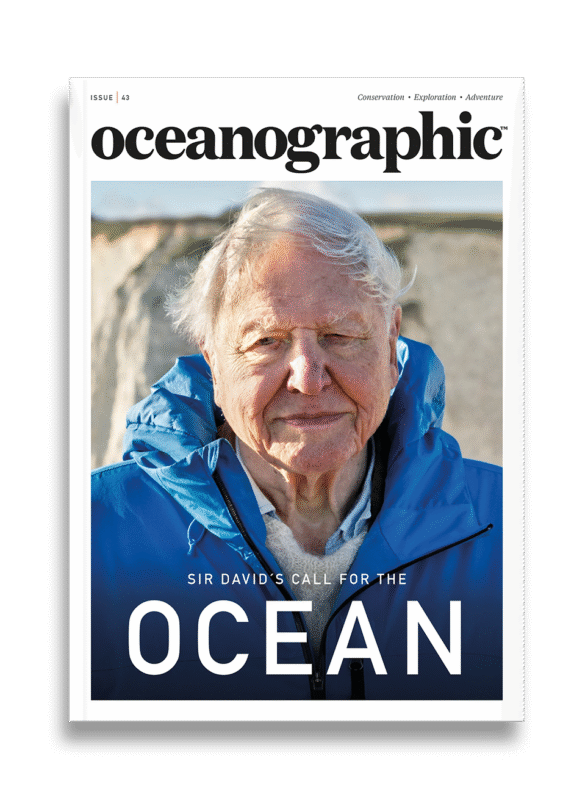
Issue 43 Sir David Attenborough’s ‘Ocean’
Enjoy so much more from Oceanographic Magazine by becoming a subscriber.
A range of subscription options are available.
