Arctic seas are getting louder, and current regulations are outdated
The Arctic's seas are changing, with melting sea ice opening up new pathways for boats. But scientists say, current ways of measuring noise in the region are inadequate and Arctic-specific measures should be introduced.
With temperatures warming and Arctic ice melting, human activity in the polar region is increasing. This, scientists say, is causing Arctic seas to get louder.
A new study from the University of Bath sets out how to better capture and monitor this growing noise, to limit adverse impacts on its marine life.
Arctic wildlife relies on sound to navigate the seas, communicate with each other, find food and avoid predators. Beluga whales and narwhals – for instance – use specialised clicking for echolocation, while bowhead whales and seals produce complex, low-frequency songs for mating and social bonding.
In the modern Arctic, underwater noise comes not just from large ships, but also increasingly from snowmobiles, aircraft and small boats that do not appear on existing satellite tracking systems. These new sources produce sound signatures at frequencies far above the regulatory bands currently used by international bodies.
Currently, policy frameworks like the European Marine Strategy Framework Directive, rely on narrow, low frequency “shipping bands” to assess underwater pollution.
These low frequency shipping bands capture the “hum” of large commercial vessel engines and propeller cavitation while minimising the interference from natural sounds like wind or waves.
The study’s authors argue that these bands are increasingly ineffective at capturing noise sources, due to the great diversity of vessels entering the region, and the border range of frequencies generated by modern shipping.
With the current bands not adequately reflecting the reality of the Arctic’s soundscape today, the scientists are urging international organisations to revise the thresholds used to assess noise levels in the Arctic.

In other news

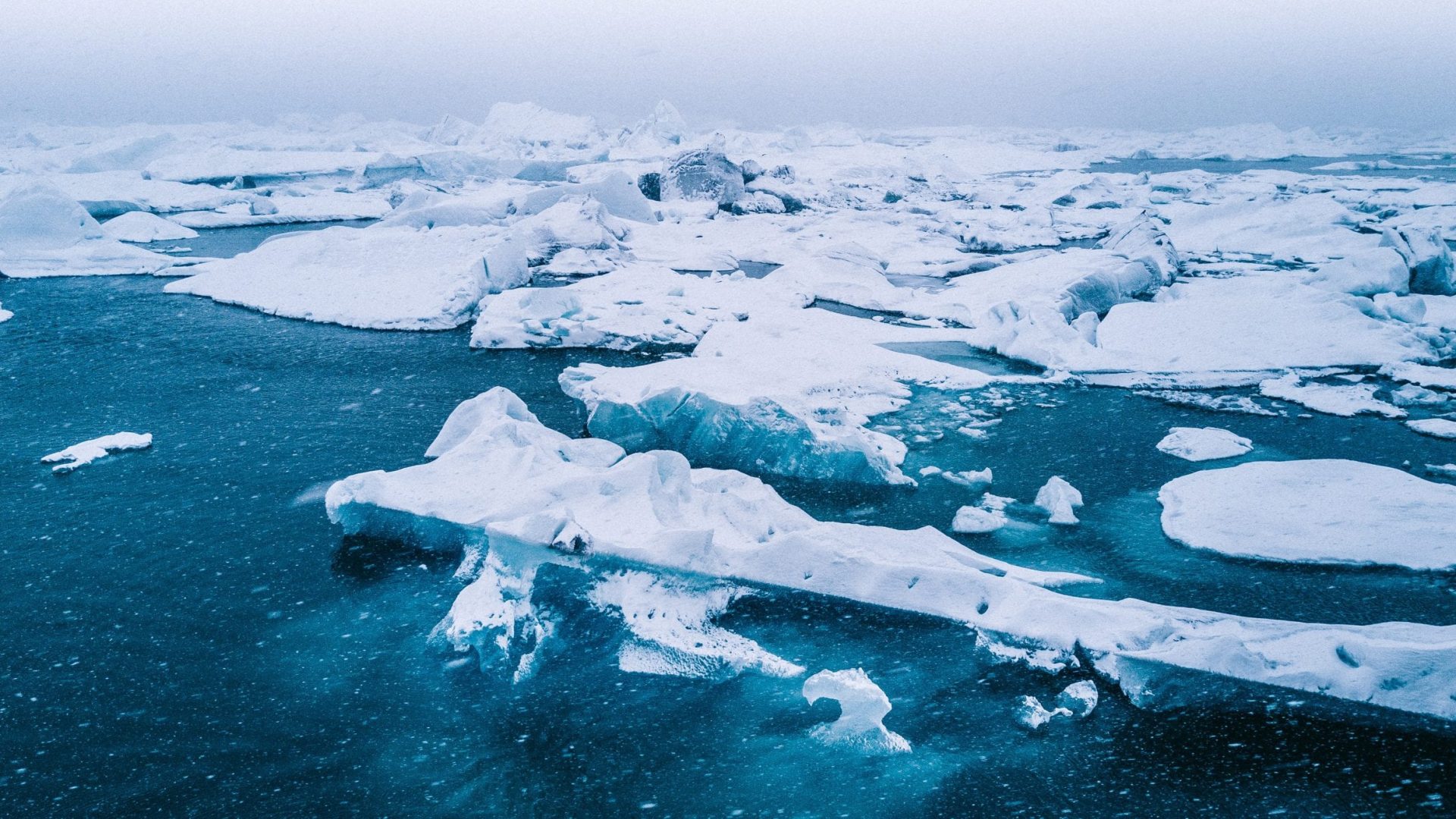
The Bath study, which looks at 10 years of measurements from Arctic Canada, also shows that sound levels vary dramatically with ice cover, indicating that regulations designed for open European waters cannot be applied effectively to polar seas.
Dr. Philippe Blondel, lead author from the Department of Physics at Bath and an expert in underwater acoustics, said, “The Arctic is entering a new era as climate change accelerates three times faster than the global average.”
“As the ice melts and previously inaccessible waters open up, there will be more shipping routes, more aircraft, more small vessels used for tourism and resource exploration, more near-shore industrial activity, including mining and drilling, and other geostrategic pressures,” he said.
Dr Blondel added that marine life does not require, nor does the study suggest, complete silence in the Arctic seas. Instead, regulators need Arctic-specific evidence so that they can adapt noise to the specific environmental conditions.
“Some sounds, like the small fishing vessels used by locals, can have negligible impacts. Other man-made sounds are small compared to the loud background noise of ice melting or fracturing, or they do not affect the hearing of local animal species, meaning they too are acceptable. This is why we need to monitor sound in a range of frequencies along with the different impacts these sounds have depending on the season and ice cover,” he added.


"*" indicates required fields
Printed editions
Current issue
Back issues


Enjoy so much more from Oceanographic Magazine by becoming a subscriber.
A range of subscription options are available.
