Greenland’s seaweed is locking carbon away deep in the ocean
Floating macro-algae off Southwest Greenland is travelling offshore and sinking to the deep ocean, transporting carbon from coastal forests to long-term reservoirs. Findings reveal natural carbon sequestration pathways, highlighting macro-algae’s critical role in regulating the Earth’s climate.
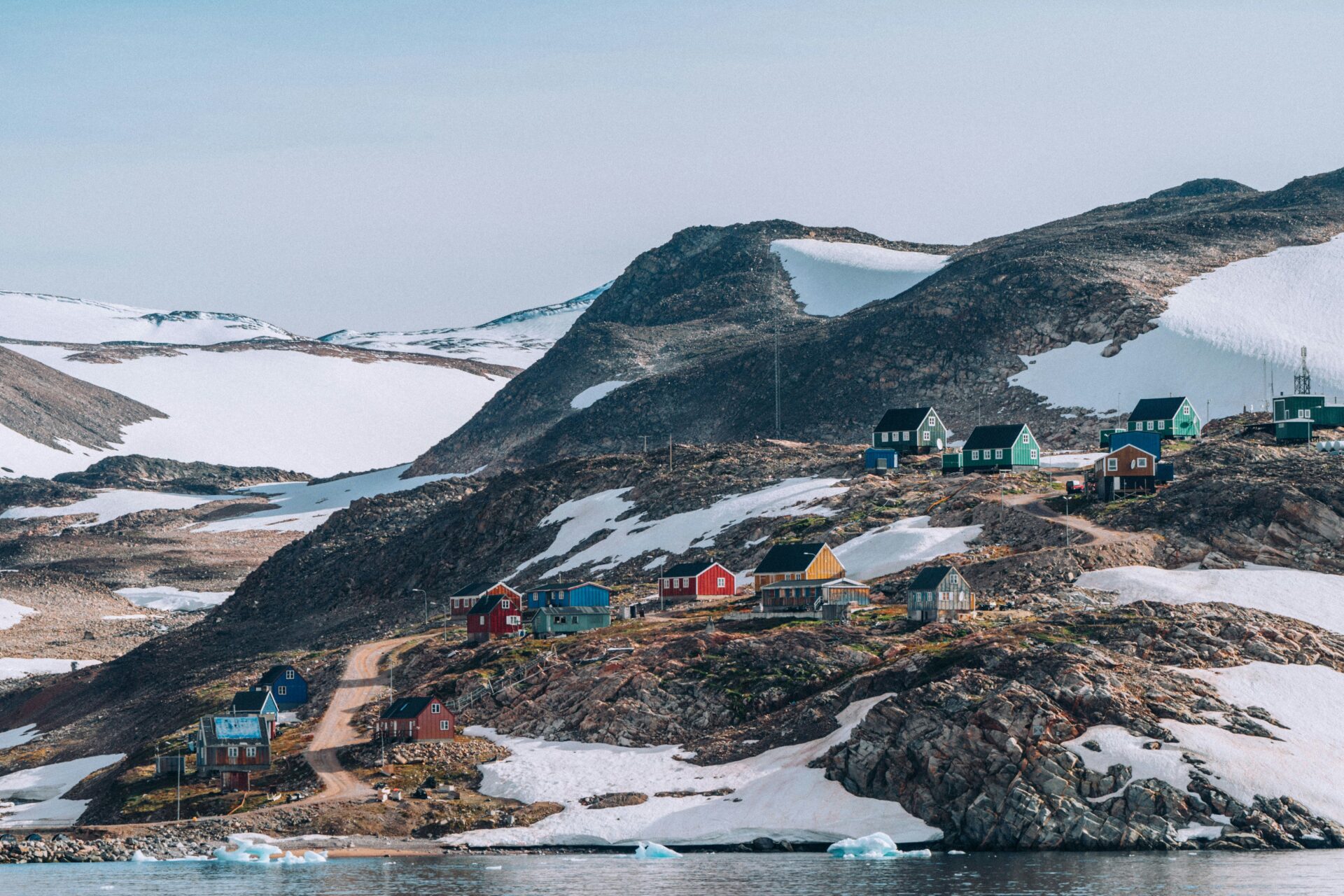
An international, interdisciplinary study has – for the first time – confirmed the oceanographic pathways that transport floating macro-algae from the coastal waters of Southwest Greenland and into deep-sea carbon reservoirs, revealing a potential mechanism in long-term global carbon storage.
Macro-algae – a group that includes kelp and other seaweeds – form some of the ocean’s most productive coastal ecosystems, absorbing large quantities of atmospheric carbon dioxide. Previous research suggests that between four and 44 teragrams of carbon – carried by macro-algae – may be reaching depths beyond 200 metres each year, where it can remain sequestered for at least a century.
Quantifying this contribution, however, has remained challenging, not least due to the diversity of macro-algal species, complex physical transport processes, and limited evidence tracking detached seaweed once it leaves rocky shorelines.
To address these uncertainties, researchers combined satellite observations, ocean drifter data, numerical modelling and advanced turbulence analysis. Together, these approaches demonstrate that large mats of floating macro-algae can be transported hundreds of kilometres offshore before eventually sinking to depth, where their organic carbon may be stored long-term.
Analysis of data from 305 surface oceanographic drifters showed that buoyant macro-algae can be carried from coastal zones into deeper waters over ecological timescales of approximately 12 to 64 days, before the seaweed degrades.
Satellite observations provided further confirmation. More than 1,300 high-resolution Sentinel-2 images, processed via the EU’s Copernicus programme, revealed nearly 8,000 distinct floating macro-algae patches across the Greenland shelf sea and the adjacent Labrador Sea, highlighting the widespread offshore presence of detached seaweed.
Cooling surface waters drive intense ocean mixing, submerging floating macro-algae to depth. Under high pressure, buoyancy structures within the seaweed collapse, causing the material to sink and transport carbon into the deep ocean.

In other news

Professor Ana Queirós, Marine Climate Change Ecologist and Climate Change Lead at Plymouth Marine Laboratory, said: “This study in another smoking gun providing evidence that seaweed carbon is likely ending up in deep sea sinks, by identifying the physical ocean processes that connect near-shore production with deep-ocean carbon sequestration.
“Our findings illustrate a tangible oceanic conveyor belt that links thriving coastal macro-algal forests with the deep ocean’s carbon reservoir. Recognising these natural transport and mixing pathways enhances how we understand macro-algae’s vital role in the Earth’s carbon cycle.”
These so called “carbon sinks” are natural routes in the ocean that lock carbon away from the atmosphere, where human-driven excess carbon dioxide emissions are warming our planet.
“This study therefore reinforces the view that seaweeds make an important contribution to the regulations of our climate system,” Professor Queirós added.
Southwest Greenland hosts extensive rocky coastlines rich in macro-algae, with dominant brown algal species that remain buoyant when detached. Previous studies have detected macro-algal environmental DNA in sediments extending from nearshore environments to depths of 1,460 metres and up to 350 kilometres offshore.
Evidence from Arctic shelf, slope and deep-sea sediments indicates that macro-algae have contributed to carbon burial in the region for millennia, supporting the conclusion that Greenland’s macro-algal forests play a sustained role in long-term carbon sequestration.
The study concludes that protecting and restoring coastal macro-algal forests globally could deliver climate benefits extending far beyond the shoreline. It also reinforces the importance of safeguarding deep-sea ecosystems that receive this carbon, highlighting the interconnected roles of coastal and deep-ocean environments in regulating Earth’s climate system.


"*" indicates required fields
Printed editions
Current issue
Back issues

Back Issues
Issue 43 Sir David Attenborough’s ‘Ocean’
Enjoy so much more from Oceanographic Magazine by becoming a subscriber.
A range of subscription options are available.
