Greenpeace to document overfishing and secure first High Seas MPA
The environmental group is documenting the impact of industrial overfishing to build the case for a new MPA under the High Seas Treaty
Greenpeace vessel The Arctic Sunrise sets sail today to document industrial fishing in the West African high seas, and build a case for a fully protected marine protected area after the High Seas Treaty came into force in January.
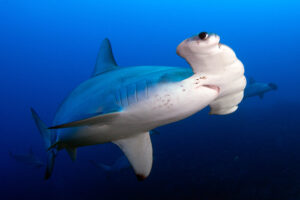
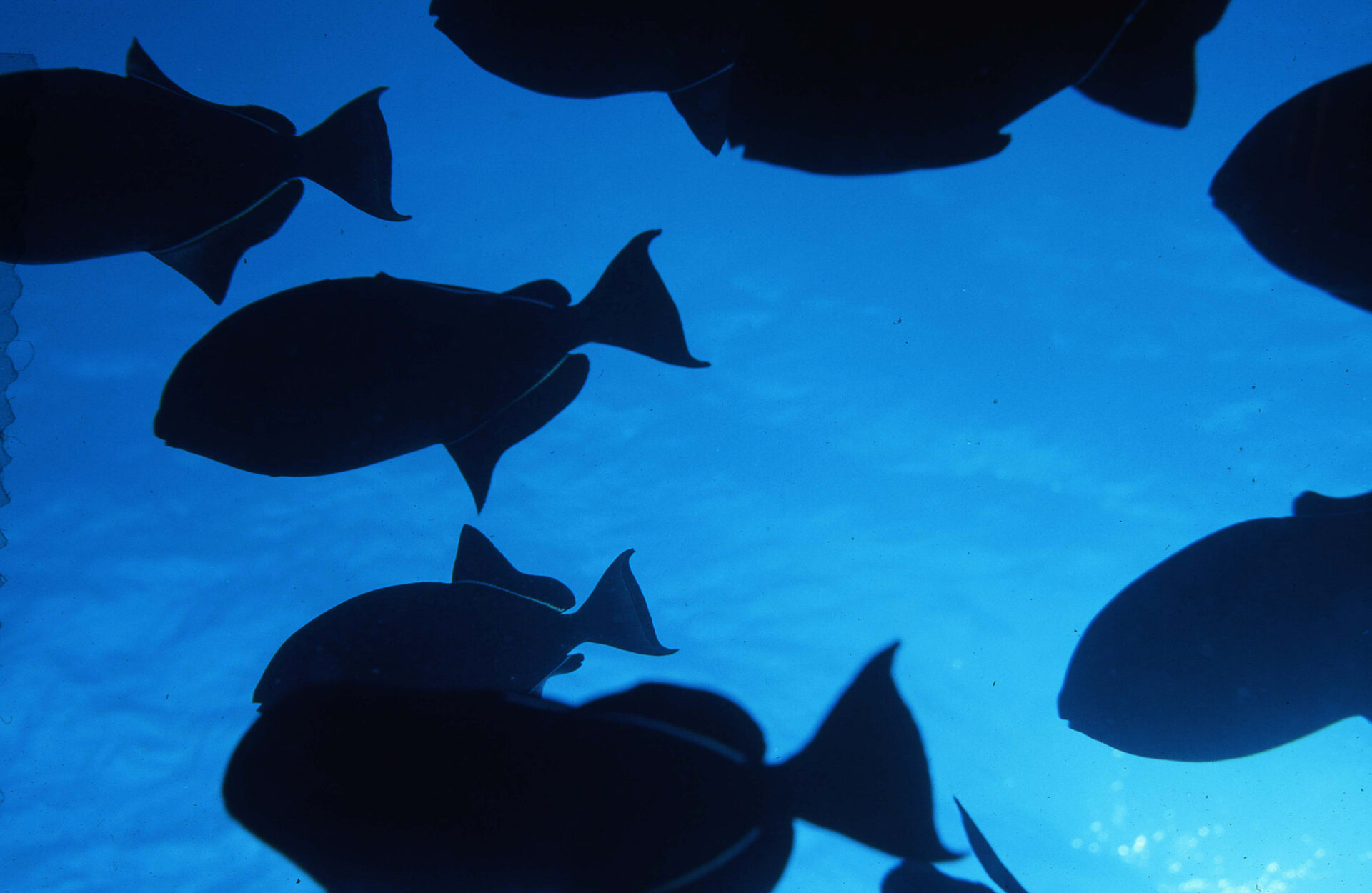
The area is home to numerous seamounts and a vast array of sea life – including migratory species like sharks, the West African manatee, sea turtles, several tuna species and is a major hotspot for seabirds.
The Economic Community of Western Africa is keen to establish a fully protected area in this region following the passing of the High Seas Treaty and Greenpeace is backing this move.
The area is currently under threat from industrial fishing. In 2025 the Fishery Commission for Eastern Central Atlantic found the majority of fish stocks in the region to be overfished. The situation is described as severe for both demersal and pelagic species.
The cold Canary Current meeting the warm Guinea Current in this area causes powerful upwellings, blooming phytoplankton populations, and a rich, biodiverse ecosystem.
Industrial fishing – from longliners, purse seiners and trawlers – in the area degrades this ecosystem, and impacts local small-scale fishermen who rely on their trade as a food source and livelihood in their communities. Greenpeace argues that only the highest protection in this area can ensure the end of extractive and destructive human activities.
Many current MPAs are protected in name only and still allow for industrial fishing.
Pelagic species (like sharks) and tuna-like species are the most targeted in the area, according to Greenpeace analysis of fishing datasets from Eastern Central Atlantic and the International Commission for the Conservation of Atlantic Tunas.

In other news
The area is currently recognised as an Ecologically or Biologically Significant Marine Area (EBSA) under the Convention of Biological Diversity, but this does not provide legal protection against destructive fishing practices.
Greenpeace has said there is a huge problem with lack of adequate data, which leads to a lack of transparency about what is really going on in the region.
They also believe this increases the urgency of the call for a Marine Protected Area that would kick out industrial fishing vessels to allow these fish stocks to recover.
Longliners use vast, sometimes over 100km long, cables with thousands of sharp baited hooks attached to them, designed to haul in as much marine life as possible. It’s estimated that longline fishing is killing around 300,000 seabirds, 250,000 sea turtles, and millions of sharks annually.
Purse seine fishing vessels are also prevalent in the area. This method uses enormous nets, often catching juvenile fish which have not reproduced yet, impacting the future stocks of fish like tuna.
Greenpeace wants to document these practices in order to form a case for a Marine Protected Area in the region.
Dr Aliou Ba, Ocean lead for Greenpeace Africa, said: “These big international fishing companies are bringing destruction to the region and depleting vital food sources local people rely on, all to feed their profit margins.”
“Governments have agreed to protect 30% of the ocean in the next four years, and we will hold them to account. The progress we make this year will be crucial. Greenpeace is calling for the Convergence Zone to be made one of the very first high seas sanctuaries created under the Ocean Treaty,” he added.


"*" indicates required fields
Printed editions
Current issue
Back issues

Enjoy so much more from Oceanographic Magazine by becoming a subscriber.
A range of subscription options are available.
