Healthy coral reefs could deliver millions sustainable fish meals
New research shows that rebuilding coral reef fish populations could increase sustainable seafood supplies by up to 50 per cent, helping meet nutritional needs in regions facing hunger while highlighting the link between reef conservation, food security and public health.
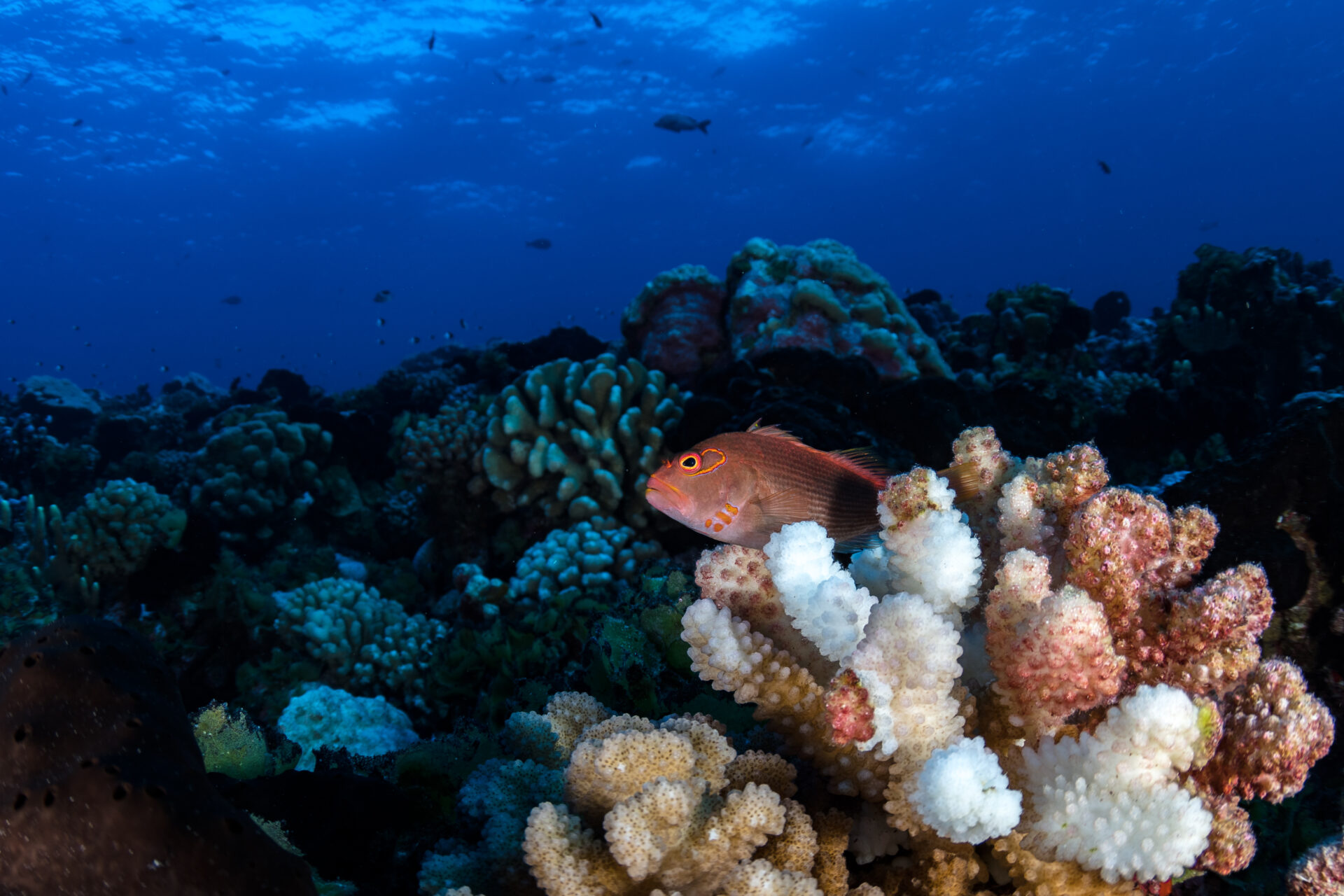
As the global population climbs past 8.3 billion and malnutrition persists in many regions, scientists have been asking whether the ocean can play a larger role in addressing food insecurity. And new research suggests it can – if coral reef fish populations are given the chance to recover.
A study led by researchers at the Smithsonian Tropical Research Institute (STRI) in Panama, alongside international collaborators, has found that rebuilding depleted coral reef fisheries could substantially increase the amount of seafood produced sustainably each year.
In doing so, the ocean could help meet recommended seafood intake for millions more people worldwide.
“Our study quantifies how much is being lost by having overfished reef fish communities in terms of food provisioning and, in turn, how much could be gained from rebuilding reef fish stocks and managing them at sustainable levels,” said Jessica Zamborain-Mason, a professor at King Abdullah University of Science and Technology (KAUST) and first author of the paper, published in PNAS.
According to the study, coral reefs globally could boost sustainable fish yields by nearly 50 per cent if fish populations were allowed to rebound. That increase would translate into between 20,000 and 162 million additional sustainable fish servings per country each year – enough to meet recommended seafood consumption of eight ounces per week for millions of people annually.

In other news


The potential benefits are not evenly distributed. The greatest gains would occur in regions already facing high levels of hunger and micronutrient deficiencies, particularly parts of Africa and Southeast Asia. Indonesia, the researchers found, stands to benefit more than any other country.
“There is a positive correlation between countries’ potential increase in the number of fish servings with stock recovery and their global hunger index. Therefore, countries with higher malnutrition indexes could benefit more from recovered reef fish stocks,” said STRI staff scientist and study co-author Sean Connolly.
To reach these conclusions, researchers analysed data from coral reef territories around the world, including sites in the Caribbean, Indian Ocean and Indo-Pacific. Countries represented in the analysis included the Dominican Republic, Panama, Jamaica, Kenya, Mauritius, Oman, Madagascar, the Philippines and Indonesia.
Using statistical models, the team estimated current fish biomass on overfished reefs and calculated how much stocks would need to grow to reach “maximum sustainable yields” or “pretty good yields” under different management scenarios.
Recovery timelines varied widely, depending on the extent of depletion and fishing pressure. On average, reef fish populations could take anywhere from six to 50 years to recover, the study found.
The findings suggest that rebuilding coral reef fisheries should not be viewed solely as an environmental objective, but also as a pathway to improved nutrition and food security. However, achieving these gains will require effective fisheries management that allows fish stocks time and space to recover. In many regions, this would need to be paired with alternative livelihoods during recovery periods, as well as international financial and technical support.
“Our findings also reinforce that effective reef fisheries monitoring and management has substantial and measurable benefits beyond environmental conservation; it has food security and public health implications,” said Zamborain-Mason.
As pressure on global food systems continues to grow, the study highlights the untapped potential of healthy coral reefs – not only as biodiversity hotspots, but as a vital source of sustainable nutrition for some of the world’s most vulnerable communities.


"*" indicates required fields
Printed editions
Current issue
Back issues
Enjoy so much more from Oceanographic Magazine by becoming a subscriber.
A range of subscription options are available.
