"High Seas Treaty offers hope, but only if protection is real"
Marine conservation expert Callum Roberts warns that achieving the 30x30 ocean target requires genuinely enforced protections. With the High Seas Treaty now in force, effective management and funding are essential to safeguard marine biodiversity and rebuild depleted fish stocks.
As governments prepare to turn the High Seas Treaty from diplomatic breakthrough into practical action, marine scientists are warning that protecting 30 per cent of the ocean by 2030 will only succeed if that protection is real, enforced, and politically robust.
Callum Roberts, Professor of Marine Conservation in the Centre for Ecology and Conservation at the University of Exeter, believes the pitfall for marine protected areas to date is found in the desire to secure environmental wins without confronting difficult trade-offs.
“I think until now we’ve been living in a kind of world where we want the best of all worlds with very little effort,” he has told Oceanographic, arguing that many existing marine protected areas (MPAs) offer protection in name only.
Insufficient funding for monitoring, surveillance and enforcement has left many MPAs unable to deliver ecological recovery. Meanwhile, political reluctance has compounded the problem. “Politicians have been reluctant to create protected areas that are sufficiently protected to make a difference to wildlife in the water,” said Roberts.
Instead, governments have often tried to balance competing interests by allowing industrial activity to continue within protected boundaries. “Your average politician wants to please everyone at the same time,” Roberts continued. “To date, the way they have done that is to create protected areas to satisfy environmentalists but allow industrial fishing to continue in them to satisfy the fishing industry. The end point is that neither is satisfied.”
The consequences, he has argued, are clear: degraded ecosystems, declining fish stocks and mounting pressure on coastal communities. “Wildlife doesn’t come back and fisheries don’t improve, so the long-term slide in degradation and decline continues,” he said.
“We have got to realise there is no free lunch when it comes to protected areas. You cannot just magic up a response by nature just because you draw lines on a map.” For protection to work, he says, it must materially reduce the risk of harm to marine life. “It’s got to be something that animals will feel in the water.”

In other news
Globally, progress towards effective protection remains starkly uneven. While 8.67% of the ocean is currently designated as protected, only a little over 3% is given high enough levels of nominal protection to make a difference to that wildlife in the water. Even within that fraction, poor management can undermine outcomes. “If you are not managing that well, even that 3% of ocean which is protected is not functioning as it should do,” said Roberts.
Delivering on the 30×30 target will require governments to invest far more heavily in enforcement and to withstand political pressure. “We need to give far more in the way of resources to establishing and running those protected areas, making sure they work,” Roberts said, adding that meaningful protection must be pursued “regardless of whether or not there is a howl of anger and opposition from certain vested interests”.
With just four years left to achieve the overarching commitment to restore and protect 30% of land and sea habitats by the 2030 deadline, fresh criticism has been levelled at various extractive sectors, including the fishing industry’s long-standing opposition to strong conservation measures.
After decades of attempting consensus-based approaches himself, Roberts has admitted to ‘losing patience’ with an industry so committed to its own lobbying agenda. “The fishing industry has proven unwilling to invest the level of necessary commitment to establishing protected areas for nature,” he said. “I have seen, repeatedly, the industry walk back from even modest commitments on nature protection.”
That resistance, he has argued, has been self-defeating. “In arguing to ministers that nature conservation should have low priority […] they’re condemning themselves to seas that are effectively depleted.” The result is a system that fails both nature and livelihoods. “The industry doesn’t have many fish left to catch,” Roberts said. “That is a failure of regulation ministers successively over the years.”
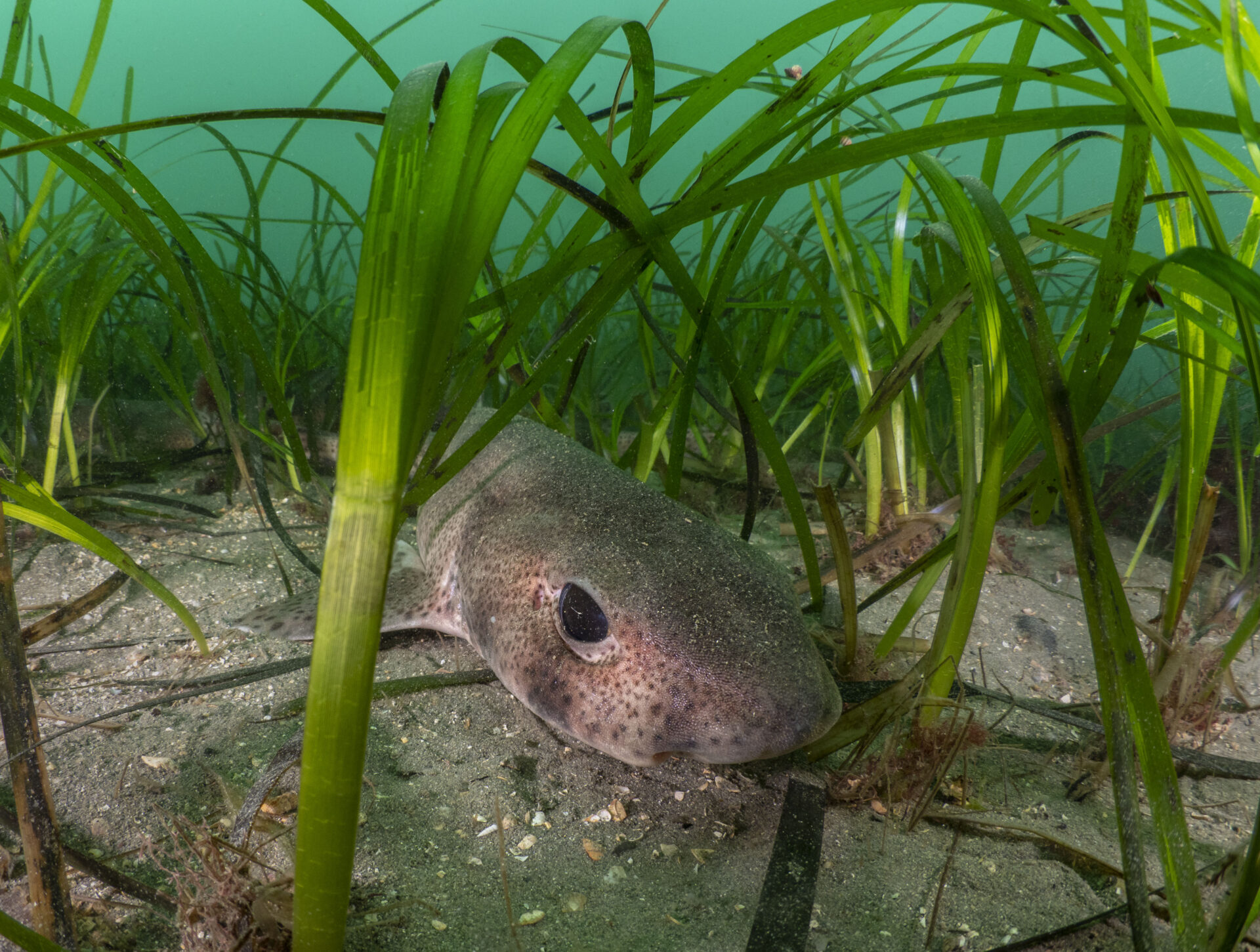

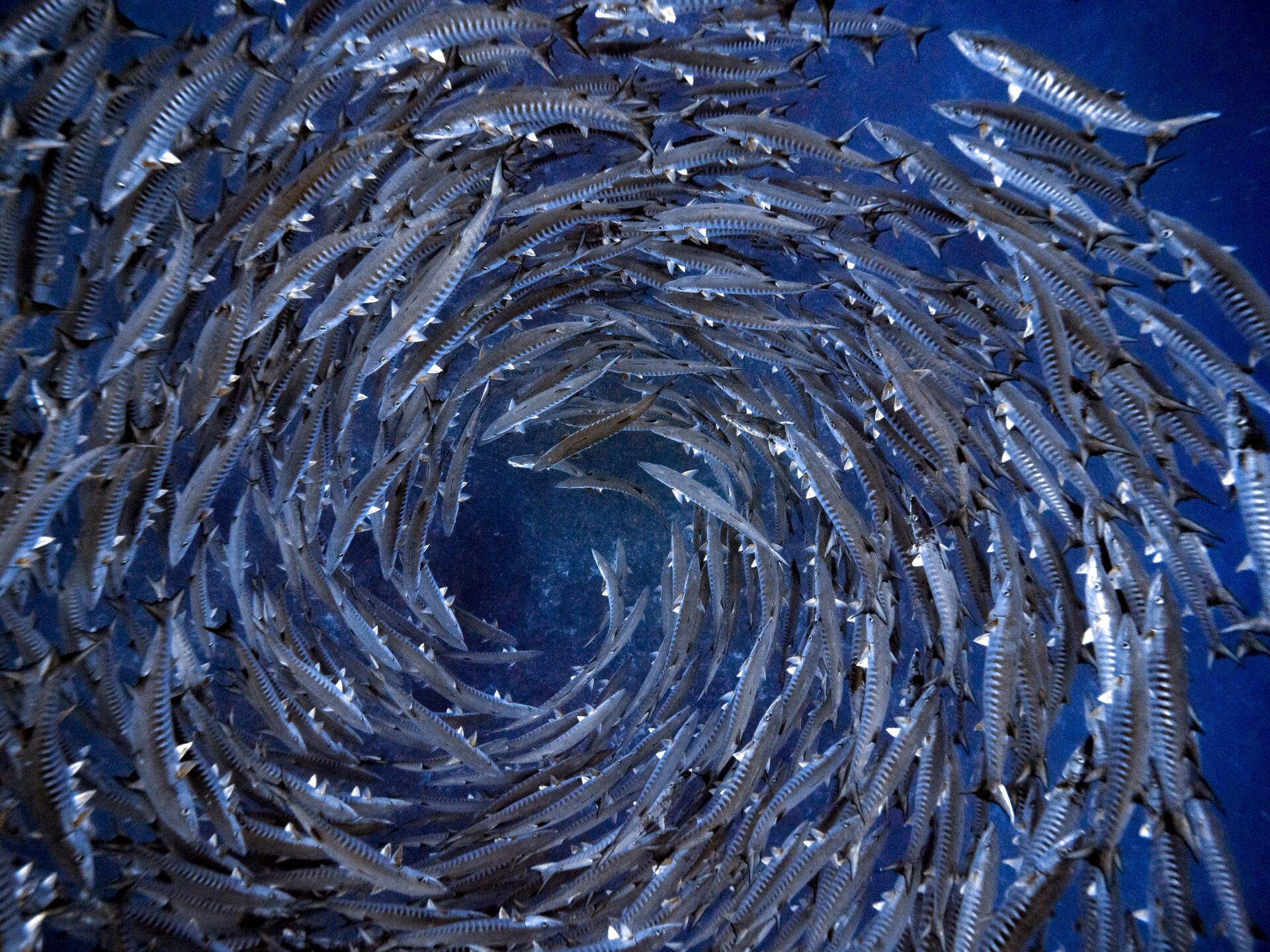
Against this backdrop, the High Seas Treaty represents a critical turning point. “The High Seas Treaty is absolutely essential to the world achieving 30 by 30 in the ocean,” Roberts said. With international waters covering 61% of the ocean’s surface and 75% of its volume, he has warned, however, that global targets are impossible without action beyond national jurisdictions.
“International waters are woefully under-protected right now – and there’s an urgent need to change that.”
Despite the scale of the challenge, Roberts has also pointed to emerging signs of recovery where pressure is reduced. He recalls a recent example from the Irish Sea, where fish populations have begun to rebound around offshore wind farms. “This is because wind farms are hard to fish, so they act as de facto refuges,” he said. The lesson, he believes, is a simple one. When space is genuinely given back to nature, recovery can follow.
As the High Seas Treaty enters its implementation phase, the call now is upon governments to ‘move beyond compromise’ and commit to protection that works in the water, not just on paper. The future of ocean biodiversity – and the fisheries that require it – depend on that resolve.


"*" indicates required fields
Printed editions
Current issue
Back issues

Enjoy so much more from Oceanographic Magazine by becoming a subscriber.
A range of subscription options are available.
