Island-wide study reveals land-sea connections in Mo‘orea
A large-scale study - published in Limnology and Oceanography - has revealed new evidence that what happens on land reverberates through the island's surrounding lagoons, providing comprehensive insight into the dynamic between land and sea.

New light has been shed on how rainfall and land use can jointly shape the health of coral reefs, following a sweeping, multi-year scientific campaign across the tropical island of Mo’orea in French Polynesia.
The study in question – published recently in Limnology and Oceanography – has revealed compelling new evidence that what happens on land reverberates through the island’s surrounding lagoons, providing comprehensive insight into the dynamic between the land and the sea.
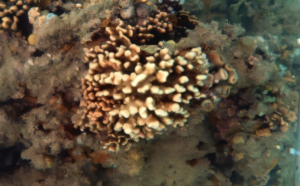
The research was led by the University of California, Santa Barbara, with major contributions from the University of Hawai‘i at Mānoa and other partner institutions as it analysed and examined contributing factors to marine health, including algal tissue nutrients, water chemistry, and microbial communities at nearly 200 sites circling Mo’orea.
“The links between land and the sea are dynamic and complex, so it’s a topic that has remained elusive to science,” said Mary Donovan, a co-author and faculty member at the Hawai‘i Institute of Marine Biology. “It took a dream team to pierce through that complexity – interdisciplinary thinkers across at least five major institutions working together to tackle this immense challenge.”
Scientists have long warned that when human activities push excess nutrients from land into coral reef systems, coral cover often declines while harmful algae thrive – a phenomenon known as a “phase shift.” Despite decades of research, the exact pathways linking land use to reef degradation have been difficult to pinpoint.
This new study is therefore a crucial move to offer clarity to the complex relationship. So what was it that the researchers uncovered?
In other news

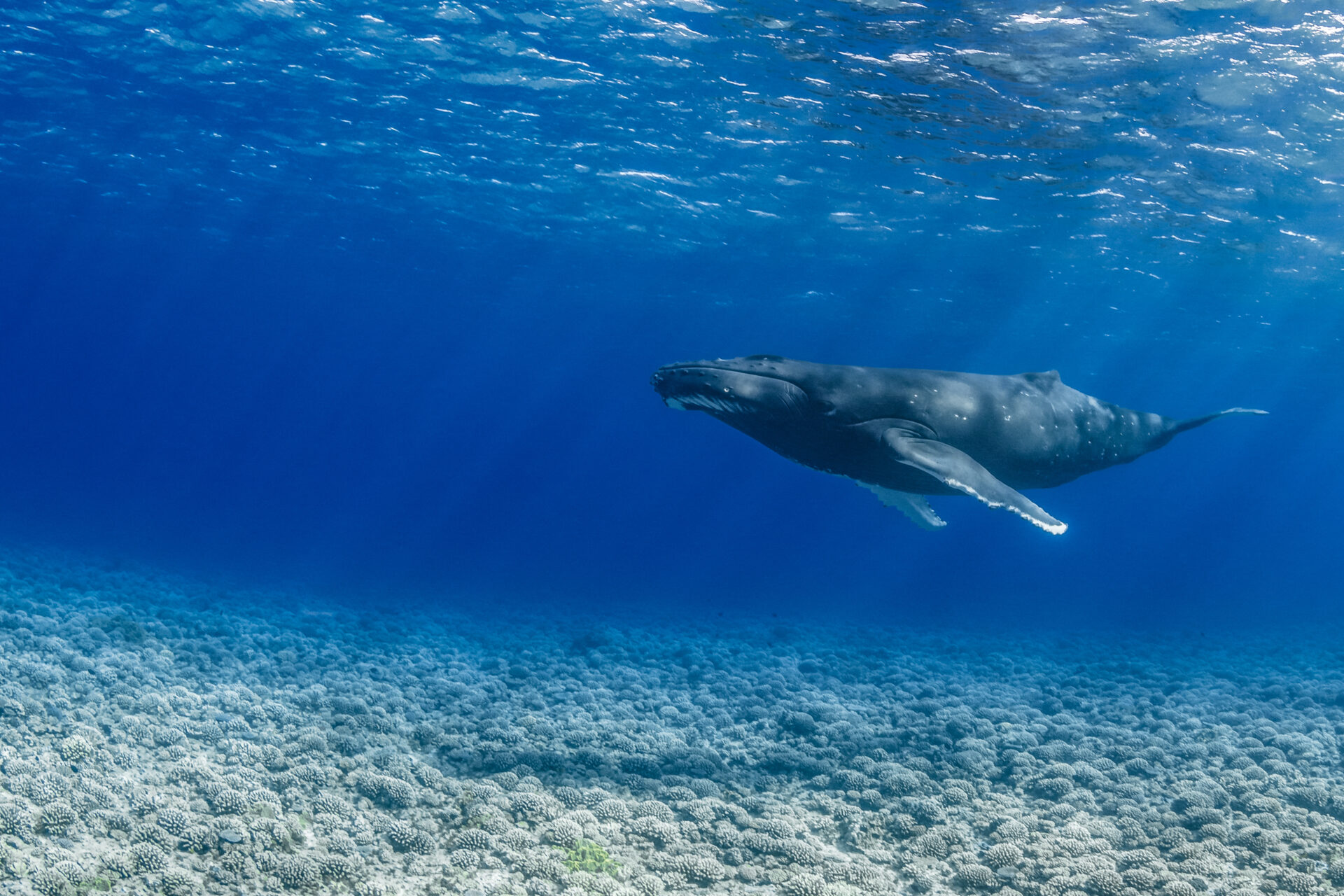
They found that Nutrient concentrations in Mo‘orea’s lagoons were consistently highest close to shore and diminished with distance offshore, a pattern the team linked directly to terrestrial runoff.
“This indicates that at least some of the nutrients in Mo‘orea’s lagoons are coming from land,” said Christian John, lead author of the study and postdoctoral scholar at the University of California, Santa Barbara. “We also saw elevated nutrient levels downstream of heavily impacted watersheds, underscoring the influence of human activities on lagoon water quality.”
The researchers also identified rainfall as a powerful mediator. Intense or frequent precipitation events appear to flush land-based nutrients into lagoon and reef habitats, a dynamic that could intensify as climate change reshapes regional rainfall patterns.
For years, scientists have measured nutrient concentrations in algae as a proxy for gauging nutrient flows across marine ecosystems. The Mo‘orea expedition provided a robust test of this method – and confirmed its reliability.
“Algal nutrient content mirrored land-derived chemistry most strongly near larger, human-impacted watersheds,” John said. “This validates our use of algae as a long-term bioindicator for nutrient pollution. We can be more confident in using these organisms as a window into ecosystem nutrient dynamics.”
The study’s conclusions carry significant weight for resource managers across the Pacific. “Gravity is a unifying force in ecology, and islands are always uphill from the coral reefs that surround them,” John noted. “Everything that happens on land has the potential to impact the ocean.”
Efforts such as reducing polluted runoff, reinforcing riparian buffers, and controlling soil loss at development sites could substantially improve lagoon water quality and support reef resilience.
Nyssa Silbiger, co-author and associate professor in the UH Mānoa Department of Oceanography, pointed to the Hawaiian ahupua‘a system – traditional land divisions that link mountains to the sea – as a long-standing model for integrated watershed management.
“Understanding water quality is fundamental,” she said. “It’s essential for assessing coral reef health, and it’s inseparable from human health.”
With reef ecosystems under increasing global pressure, the Mo‘orea findings offer both a warning and a roadmap, that the future of coral reefs may depend as much on land policies as on ocean stewardship.


"*" indicates required fields
Printed editions
Current issue
Back issues

Enjoy so much more from Oceanographic Magazine by becoming a subscriber.
A range of subscription options are available.
