Melting sea ice is shaping the future of Antarctic seals
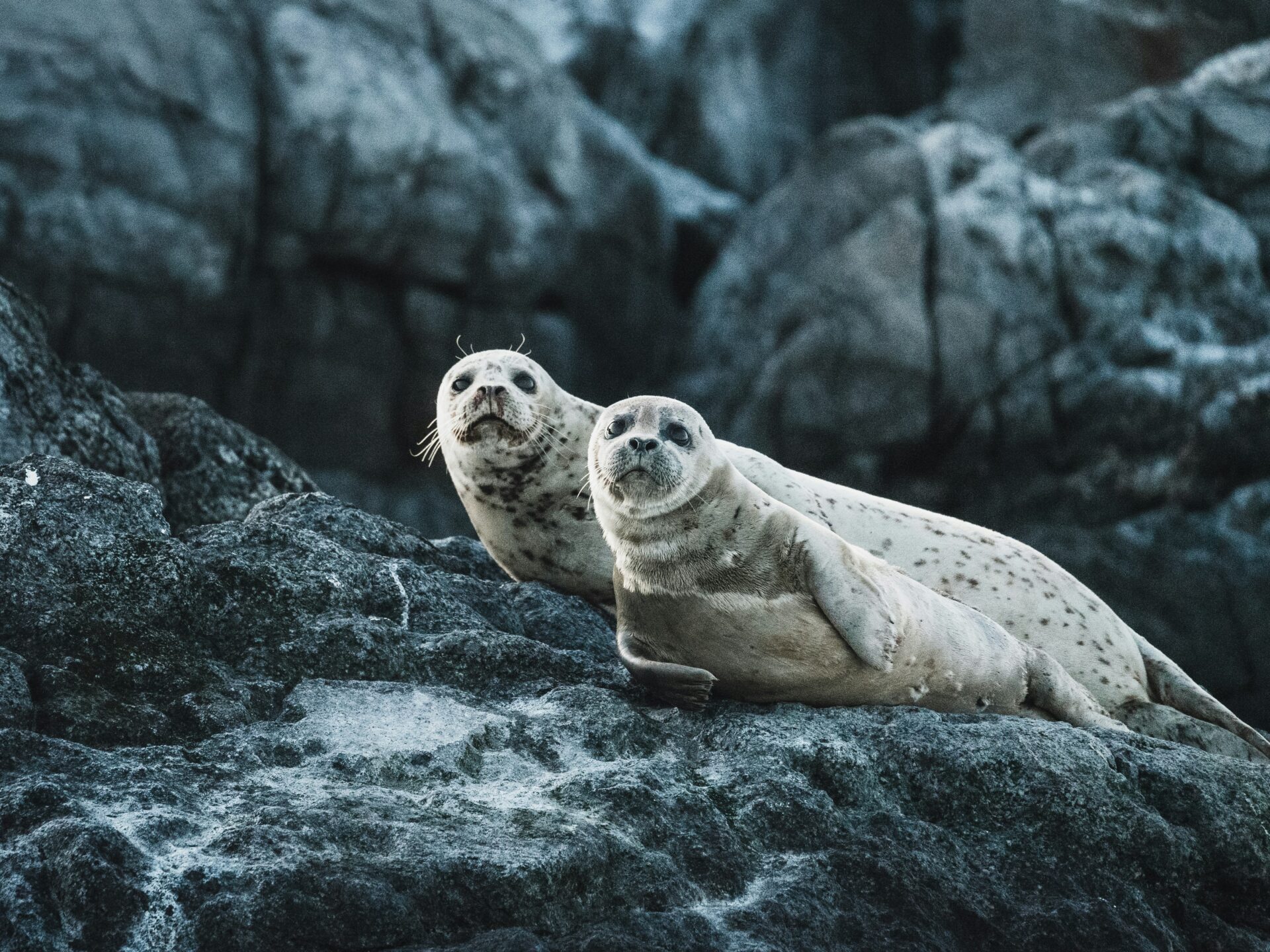
Looking at three species of seals, the study found that Weddell seals (dependent on sea ice to breed and feed) and Antarctic fur seals (which breed on land but are affected by impacts on the food chain) have declined by 54% and 47% respectively over almost 50 years.

Environmental conditions are leading to the severe decline in Antarctic seal numbers in the South Orkney Islands, a new study from the British Antarctic Survey has warned, noting that the study’s five decades of data offers a powerful tool for predicting what lies ahead for the species.
Published this week in the scientific journal Global Change Biology the results go some distance to show how seals depend on sea ice for their survival and how the diminishing sea ice cover across the Orkney Islands will likely impact them.
Researchers from the British Antarctic Survey (BAS) have been monitoring seal numbers in the sub-Antarctic on Signy Island, in the South Orkney Islands since the 1970s. Now, thanks to nearly five decades of consistent seal counts and satellite sea ice data, they have been able to validate predictions about how these sea ice conditions shape seal habitat.
It’s this that will offer researchers insight into what the future could hold for the species.
The study looked at three species: Weddell seals, Antarctic fur seals, and southern elephant seals. It found that Weddell seals (which depend heavily on sea ice to breed and feed) and Antarctic fur seals (which breed on land but are still affected by environmental impacts on the food chain) have declined by as much as 54% and 47% respectively over almost 50 years.
Southern elephant seal numbers have shared similar population trends over time, but in this study they showed no significant overall long-term decline.
The changes in all three species are strongly linked to shifts in sea ice; when it forms and melts each year and how long it lasts.
“We have seen fur seal populations bounce back in the sub-Antarctic after hunting was banned in the 1960s, but this study offers a rare glimpse into the changes now unfolding in one small part of Antarctica,” said Michael Dunn, lead author of the study and a member of the British Antarctic Survey team.
“For once, we’re not just predicting how wildlife might respond to shrinking sea ice and environmental shifts, we have had the rare opportunity to confirm it, using solid, long-term data. The emerging picture is deeply concerning.”
In other news
Using satellite records of sea ice concentration dating back to 1982, the team tracked annual changes in sea ice timing, extent, and duration. They then compared them to seal counts carried out every year since 1977.
Uniquely, the dataset spans a period of long-term warming, punctuated by a temporary cooling phase from approximately 1998 to 2004. This natural fluctuation gave the team a “before and after” scenario, allowing them to observe how seal populations reacted to changing ice conditions over time – something shorter-term studies can only speculate.
The results show profound variation in numbers of the three Antarctic species over nearly five decades and challenge earlier assumptions that Antarctic fur seal numbers had stabilised in the South Orkneys. In fact, since around 2015, fur seal numbers have dropped sharply and continue to fall.
All this research highlights the vital importance of long-term ecological monitoring. Many environmental effects on wildlife can only be truly understood and validated over decades, not years. The study also sheds light on broader ecosystem risks, with researchers raising concerns about how climate change is disturbing the fragile Antarctic food web – a system all three seal species depend on.
The research paper – titled Temporary absence of warming in the northern Weddell Sea validates expected responses of Antarctic seals to sea ice change – has been authored by MJ Dunn et al and is published in the journal Global Change Biology.


"*" indicates required fields
Printed editions
Current issue
Back issues
Enjoy so much more from Oceanographic Magazine by becoming a subscriber.
A range of subscription options are available.
