Mystery marine die-off triggers health crisis in Papua New Guinea
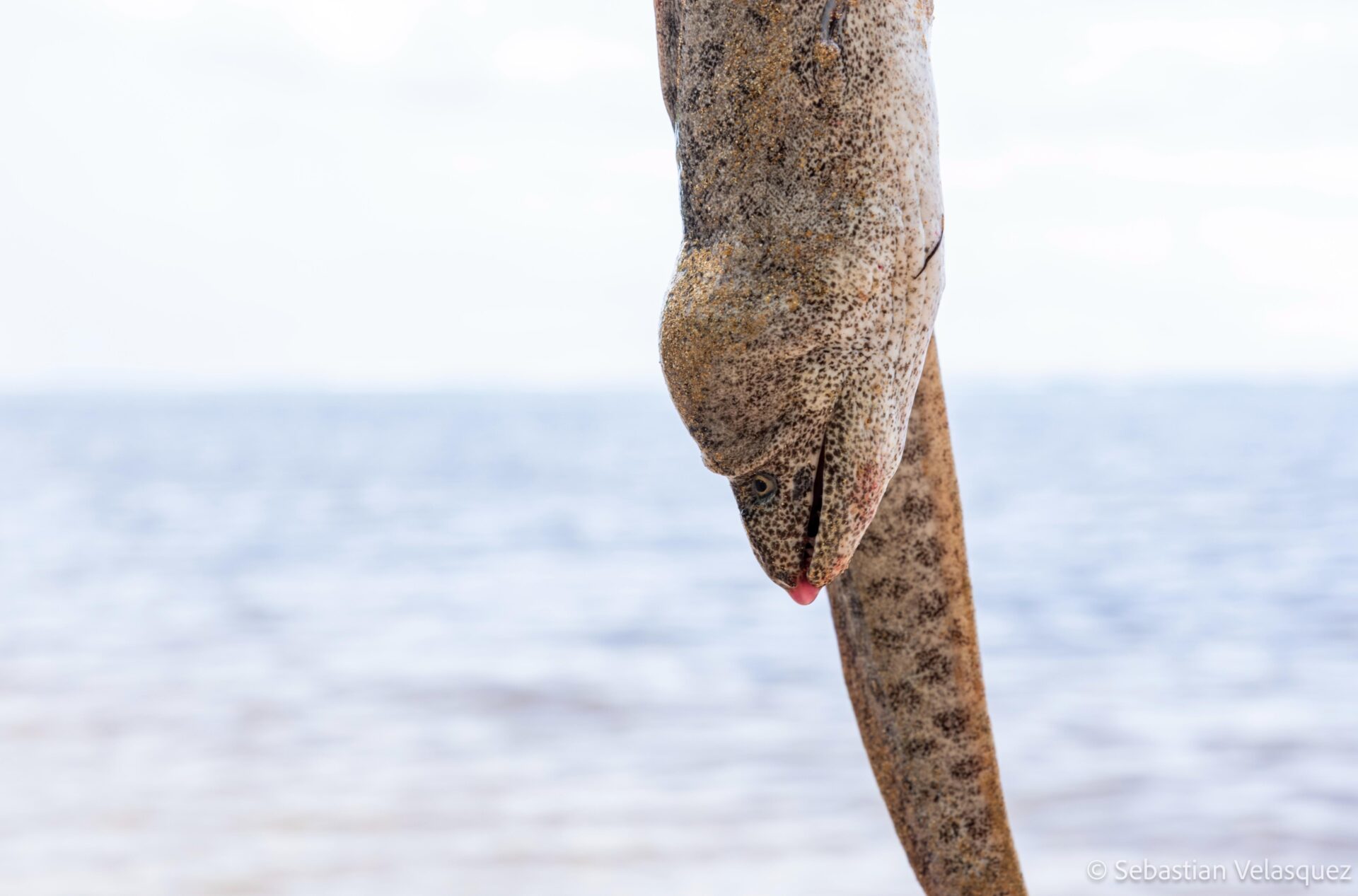
A mysterious marine die-off in New Ireland Province, Papua New Guinea has killed thousands of sea animals and sickened hundreds, leaving coastal communities without food, income or answers after four months.

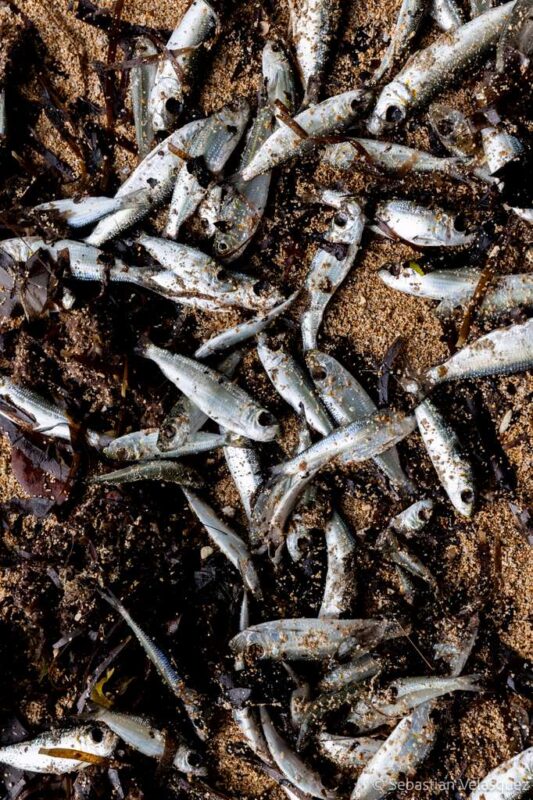
Coastal communities along the Boluminski Highway in New Ireland Province, Papua New Guinea, have been facing a growing environmental and public-health crisis since December 2025. Thousands of fish and other marine organisms have washed ashore dead, while hundreds of residents – many of them children – have fallen ill. Four months later, authorities have yet to identify the cause.
For families living along the eastern coast of the island, the ocean is both their primary food source and their livelihood. But as marine life continues to die, fishing has been effectively shut down in affected areas, leaving communities without income or reliable access to protein.
Local leaders say the situation has become increasingly desperate.
Communities struggling without answers
Community leader Martha Piwas says mothers and children have been among the hardest hit.
According to Piwas, fishing bans have left households without protein and families without income. Food shortages are worsening, and health concerns are rising as residents report skin irritation and burning after entering the water – often without realising it may be contaminated.
“People are going into the water barefoot, not knowing it will burn their skin,” she said, describing the fear and uncertainty facing coastal villages.
Local monitoring efforts suggest the environmental impact is severe and possibly escalating. During a five-day monitoring period, and in a dataset collected from Manggai Village – a community with which Ailan Awareness has been working closely with – observers documented more than 3,451 dead marine organisms, representing over 15 different species.
In total, more than 750 people across affected communities are believed to have been impacted by the crisis, either through illness, food shortages, or the loss of income from fishing. Yet despite months of concern from local residents and environmental groups, the source of the die-off remains unidentified.

In other news


Local efforts to document disaster
Much of the documentation so far has been led by local conservationists rather than government agencies.
John Aini, founder of the marine conservation group Ailan Awareness, has spent four months gathering data on the unfolding disaster, often with limited equipment and resources. Meanwhile, his team has been recording species affected, tracking the number of dead marine animals, and collecting reports from villagers experiencing health symptoms.
In recent weeks, the crisis has begun to draw international attention.
Bodhi Patil, an international climate and ocean advocate and founder of the InnerLight Foundation, traveled to New Ireland alongside Emma Oliver of ENB Sea Keepers. The visit, initially planned as a three-day trip, has expanded into a week-long mission aimed at amplifying the crisis internationally.
Their aim now it to mobilise scientific expertise and help communities land on a cause. Other goals include assembling a rapid-response team of environmental experts, raising global awareness through media coverage, and launching a fundraising effort to support affected communities.
Urgent aid is needed
Organizers estimate that at least $10,000 in emergency funding is needed immediately to provide clean water, food supplies, and medical assistance for the affected villages.
A GoFundMe campaign launched to support relief efforts began attracting donations from around the world within hours. But advocates say the funding is only one piece of the solution. They are also calling for greater attention from national authorities and international scientists to determine the cause of the die-off.
For now, residents along the Boluminski Highway continue to wait for answers.
Until the source of the contamination or ecological disruption is identified, fishing remains restricted and communities remain exposed to both economic hardship and potential health risks.
Local advocates say that without rapid scientific investigation and sustained international attention, the environmental mystery threatening New Ireland’s coastal waters could deepen into a long-term humanitarian and ecological crisis.


"*" indicates required fields
Printed editions
Current issue
Back issues

Enjoy so much more from Oceanographic Magazine by becoming a subscriber.
A range of subscription options are available.
