Naturally immune corals offer a solution to reef devastation
Caribbean reefs have been suffering from one of the most destructive coral reef diseases for over a decade, but scientists have found hope in 12 resilient coral strains.
Scientists have achieved a major breakthrough in the fight against a catastrophic underwater epidemic, identifying a handful of naturally disease-resistant corals that could hold the key to saving Caribbean reefs.
In the largest laboratory transmission experiment of its kind to date, researchers from Mote Marine Laboratory and several collaborating institutions successfully isolated specific, resilient strains of mountainous star coral (Orbicella faveolata) that can withstand Stony Coral Tissue Loss Disease (SCTLD).
The findings, published in the journal Scientific Reports, offer hope for an ecosystem that has been under assault for over a decade.
The study was a collaborative effort alongside NOAA’s Atlantic Oceanographic and Meteorological Laboratory, the University of Miami, Stony Brook University, and other partners, with funding provided by Florida’s Department of Environmental Protection and the Florida Fish and Wildlife Conservation Commission.
Since it was first detected near Miami in 2014, SCTLD has plagued Florida’s Coral Reef and swept across the Caribbean. Considered one of the most destructive marine wildlife diseases ever recorded, it causes rapid tissue loss and high mortality rates, threatening nearly half of the region’s reef-building coral species.
To find a solution, Mote scientists put 154 genetically distinct genotypes of the highly vulnerable mountainous star coral to the test. Over four sequential laboratory experiments, researchers exposed the corals to the disease and collected more than 2,500 samples to track the infection’s progression.
While the vast majority of the corals succumbed to the disease, 12 distinct genotypes consistently proved to be naturally resistant.

In other news

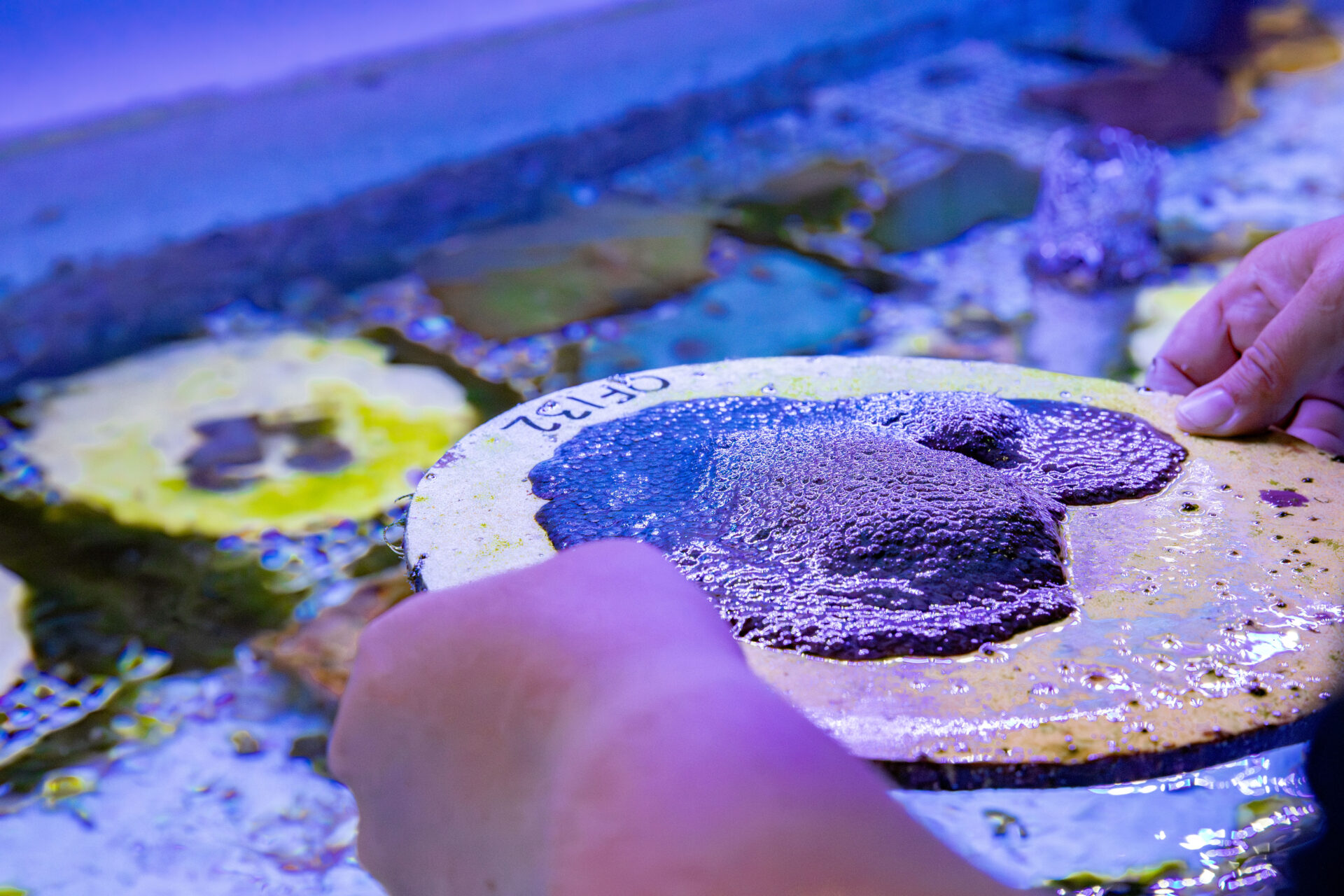
To ensure their laboratory success translated to the real world, the research team compared their findings against data from corals previously planted in the wild during the initial SCTLD outbreak in the Lower Florida Keys. The comparison confirmed that the strains showing resistance in the lab also faced a significantly lower risk of disease on the actual reef.
“Evaluating more than 150 genetically distinct individuals allowed us to identify patterns of disease resistance,” said Dr Sara Williams, lead author and staff scientist at Mote. “This project represents years of collaboration and one of the most comprehensive efforts to understand how an important reef-building coral species responds to this disease.”
The discovery provides a direct blueprint for future reef conservation. Mote Marine Laboratory is already strategically integrating these 12 resilient strains into its active restoration programs, breeding and planting them to build hardier underwater ecosystems.
However, experts urge cautious optimism. The study notes that these naturally resistant strains make up only a small fraction of the current coral population. Furthermore, disease resistance is just one piece of a complex puzzle.
“Restoration efforts must increasingly focus on building diverse and resilient coral populations as Florida’s Coral Reef continues to face unprecedented challenges,” Dr Williams said, adding that future success will depend on evaluating multiple traits, including how corals handle environmental changes and climate stress.
Moving forward, scientists are working to identify a specific “biological marker” for the resistance. If successful, this will allow conservationists to instantly screen new corals for immunity without needing to run massive, time-consuming exposure experiments.
“By improving our understanding of natural disease resistance in corals, studies like this provide critical knowledge to help restoration practitioners build more resilient reefs for future generations,” said Dr. Michael P. Crosby, President and CEO of Mote Marine Laboratory.


"*" indicates required fields
Printed editions
Current issue
Back issues

Enjoy so much more from Oceanographic Magazine by becoming a subscriber.
A range of subscription options are available.
