NGOs take Dutch government to court over destructive fishing
The area is a protected North Sea nature area, but the Dutch administration currently permits bottom trawling in majority of the area, harming threatened species which continue to live in the area
ClientEarth, Stichting Doggerland, ARK Rewilding Nederland, and Blue Marine Foundation are taking the Dutch government to court today, alleging that the administration has broken the law by allowing destructive bottom trawling practices in the protected North Sea area off the Dutch coast.
The nature environmental organisations will appear before the District Court in The Hague to make their case against the Ministry of Agriculture, Fisheries, Food Security and Nature over the impact of their fishing in the Dogger Bank.
The Dogger Bank is a large, shallow sandbank in the North Sea. Spanning about 17,600 km². It extends across UK, German, Danish, and Dutch waters. It is a protected North Sea nature area that should be a safe haven for marine life, yet the Dutch government continues to allow bottom trawling in most of it.
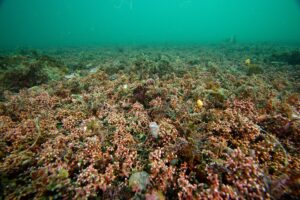
Fishing with heavy cables and nets dragged over the seabed has taken place in the area, which the organisations claim has left a trail of destruction and severely damaged the area.
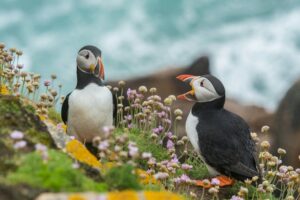
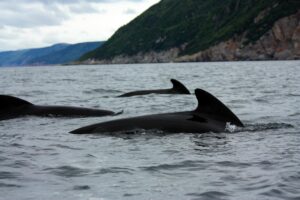
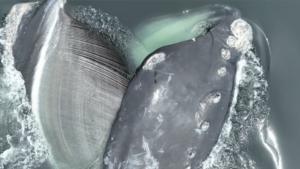
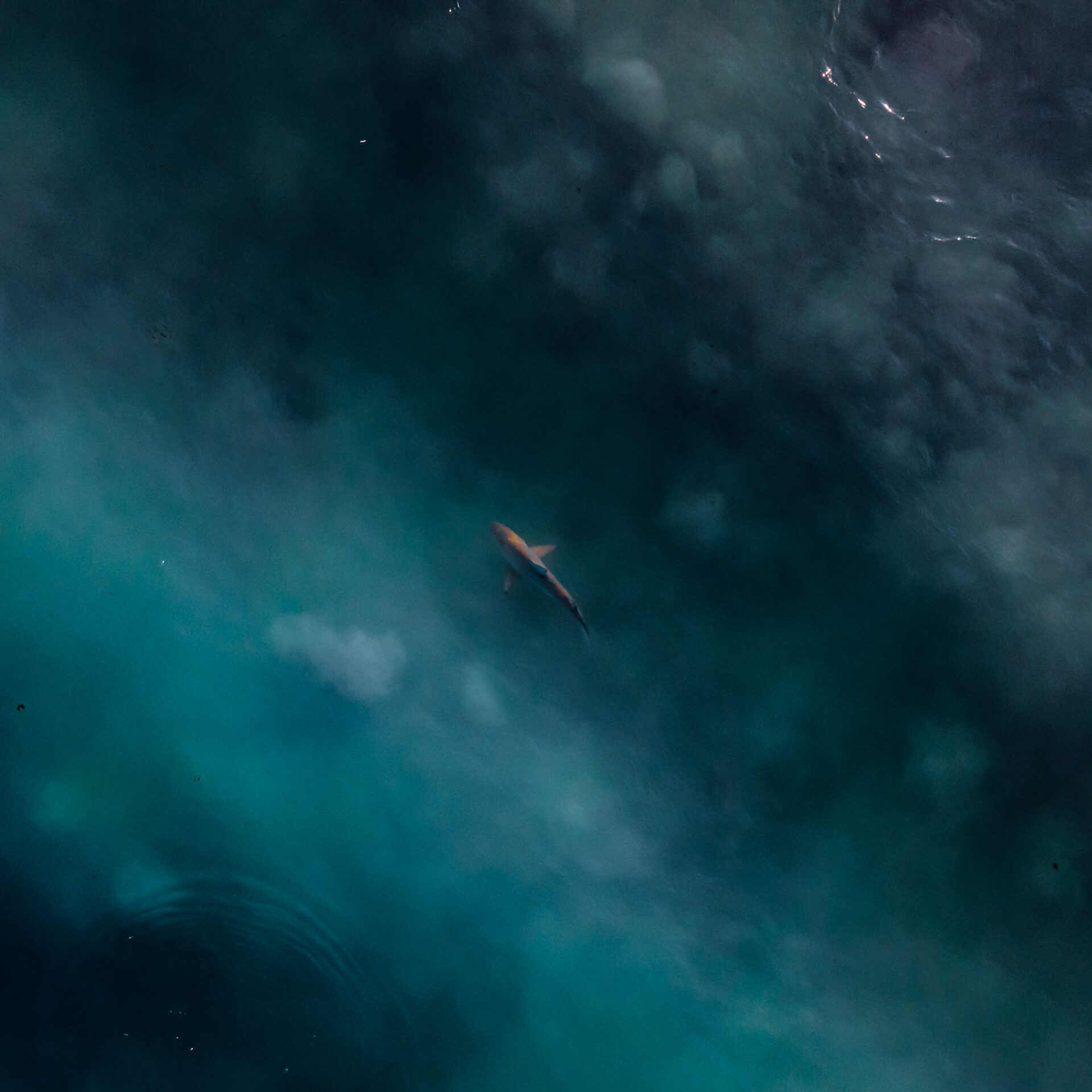
Threatened and protected species continue to survive in the Dogger Bank, despite its poor condition. For instance the Dogger Bank is known as a breeding and feeding area for harbour porpoises, minke whales, grey seals, gannets, puffins, guillemots, razorbills and other protected seabirds.
EU legislation requires that nature in Natura 2000 areas, such as the Dogger Bank, must be protected from destructive human activities in order to recover.
The United Kingdom closed its part of the Dogger Bank to bottom trawling four years ago based on the same legislation. In Germany, a similar legal case is underway to protect its section of the Dogger Bank from bottom trawling.
These environmental NGOs argue that the Dutch government must follow its own rules, which would mean the Dutch section of the Dogger Bank’s protected area must be fully closed to bottom trawling.

In other news
Dr Tom Appleby, Chief Legal Affairs Adviser to Blue Marine Foundation: “The Dogger Bank is the heart of the North Sea and is meant to have the same levels of protection in the UK, Germany and the Netherlands. Yet the UK has closed nearly all of its portion to bottom trawling, Germany more than half and the Netherlands just over a quarter.”
The Netherlands has previously committed to international targets requiring that 30 per cent of the sea be effectively managed in protected areas by 2030.
The Director of Doggerland Emilie Reuchlin has said: “Where the government has a duty to protect and restore nature in this area, we instead see continued decline. After ten years of wrangling over its use, this must end. We now demand clarity for both nature and the fishing sector.”
Programme Lead North Sea at ARK Rewilding Nederland Karel van den Wijngaard said: “The new government wants to implement the Nature Restoration Law and is seeking opportunities for large-scale recovery. We say: Start with the Dogger Bank, an area already legally protected. Provide the peace and space befitting a nursery ground and put an end to bottom trawling here.”
He added: “Nature is incredibly resilient and can recover under the right conditions. But that will never happen if trawl nets keep scraping the seabed.”


"*" indicates required fields
Printed editions
Current issue
Back issues

Enjoy so much more from Oceanographic Magazine by becoming a subscriber.
A range of subscription options are available.
