Polar bears survival critical to wider arctic ecosystem
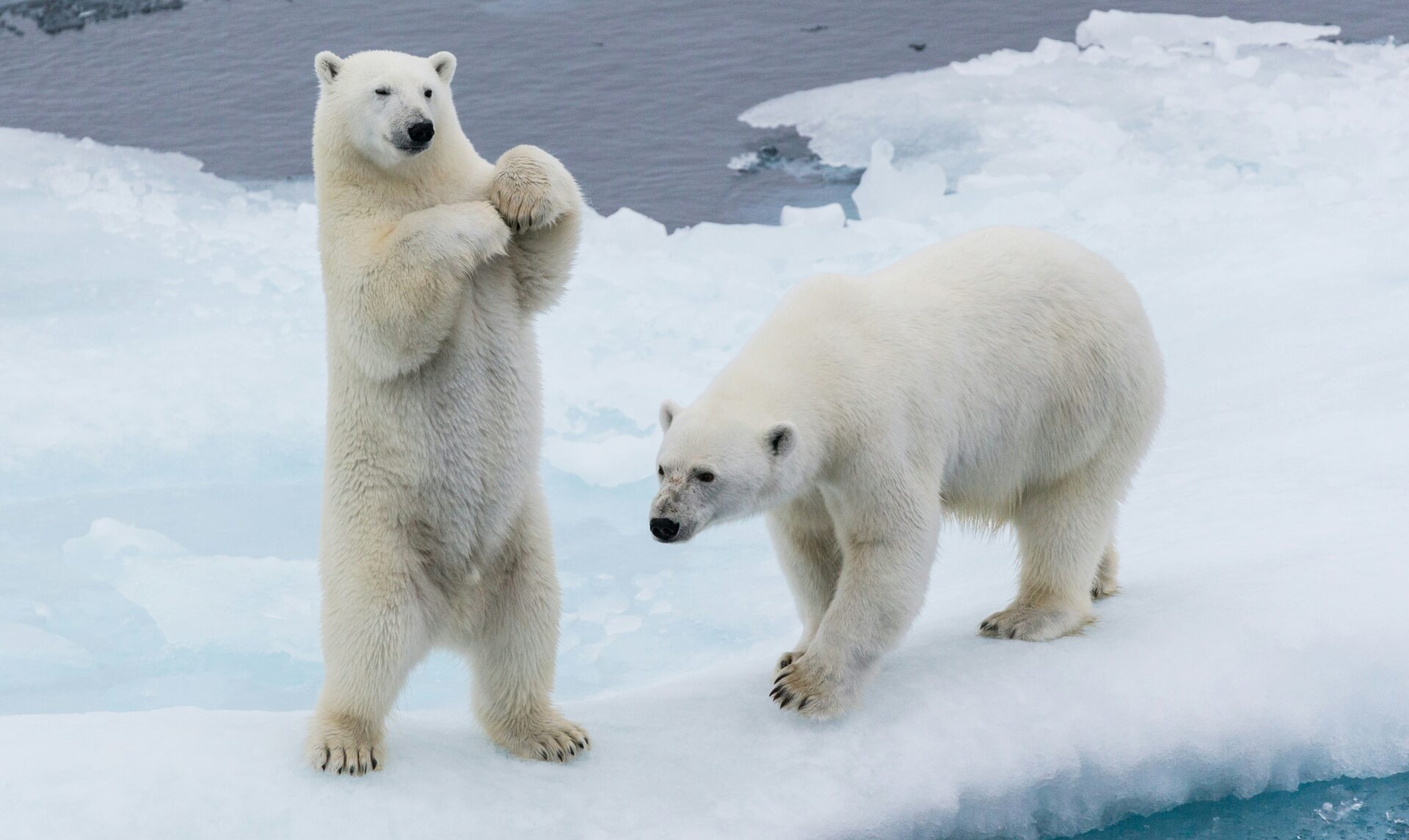
The apex predators redistribute marine-ecosystem nutrients onto land, and the carcasses of their prey provide food for arctic scavengers, demonstrating the crucial link these bears make between land and sea ecosystems.
Polar bears play a critical role in creating a vital food source for arctic scavenger species, according to a new study published in the scientific journal Oikos.
The apex predators leave behind approximately 7.6 million kilograms of their prey annually, according to estimates from researchers at the University of Manitoba and San Diego Zoo Wildlife Alliance, Environment and Climate Change Canada, and the University of Alberta.
This carrion benefits at least 11 vertebrate species, including species like Arctic foxes and ravens.
This research also demonstrates the crucial link these bears make between land and sea ecosystems. By hunting seals and abandoning the remains, polar bears transfer a substantial amount of energy to the ice surface and make it accessible to other animals.
“The sea ice acts as a platform for many species to access scavenging resources provided by polar bears, and ultimately, declines in sea ice will reduce access to this energy source,” said Dr Pilfold, Scientist in Population Sustainability at San Diego Zoo Wildlife Alliance.
Past research has emphasised how global warming would affect polar bears as a species, but this new research highlights the wider consequences their decline would have on the entire Arctic ecosystem.

In other news




Dr Pilford said that documented declines in polar bear abundance in two subpopulations have already resulted in the loss of more than 300 tonnes of food resources for scavengers annually.
“Our findings quantify for the first time, the sheer scale of polar bears as a food provider to other species and the interconnectedness of their ecosystem,” says Holly Gamblin, lead author of the study and PhD candidate at the University of Manitoba.
“What is apparent from this review is that there is no other species that adequately replaces how a polar bear hunts, in which they drag their prey from the water to the sea ice and leave substantial remains for other species to access,” she added.
Researchers have said their findings underscores the urgency of conservation efforts to protect them, not only for their own sake but for the species that rely on them.


"*" indicates required fields
Printed editions
Current issue
Back issues

Enjoy so much more from Oceanographic Magazine by becoming a subscriber.
A range of subscription options are available.
