Porpoise by-catch recording accidentally captured by researchers
It’s thought to be the first recording to capture a by-catch event, informing future evidence-based bycatch solutions.
The first in-detail recording of a bycatch event has been captured incidentally by researchers, whose monitoring system picked up communications between two porpoises as one became entangled in gill nets off the coast of Cornwall.
Acoustic and movement data from the devices showed two harbour porpoises foraging near a static net for several minutes, before one porpoise became entangled.
Both porpoises were wary of the nets and seemingly avoided it while foraging, but researchers have speculated that a momentary lapse in concentration, potentially while chasing prey, led to the porpoise’s entanglement. During the incident, the porpoises exchanged different call types, including sequences of rapid clicks, which were likely distress signals.
Bycatch – entanglement in fishing gear – is the biggest direct human-induced cause of death in dolphins and porpoises worldwide. In the UK, around 1,000 porpoises are lost every year after becoming trapped in static nets.
However, so far collecting detailed ‘real-time’ data on the event has been difficult: there are millions of kilometres of fishing nets and gear, and deploying monitoring equipment across this vast area would be financially difficult and resource heavy.

In other news


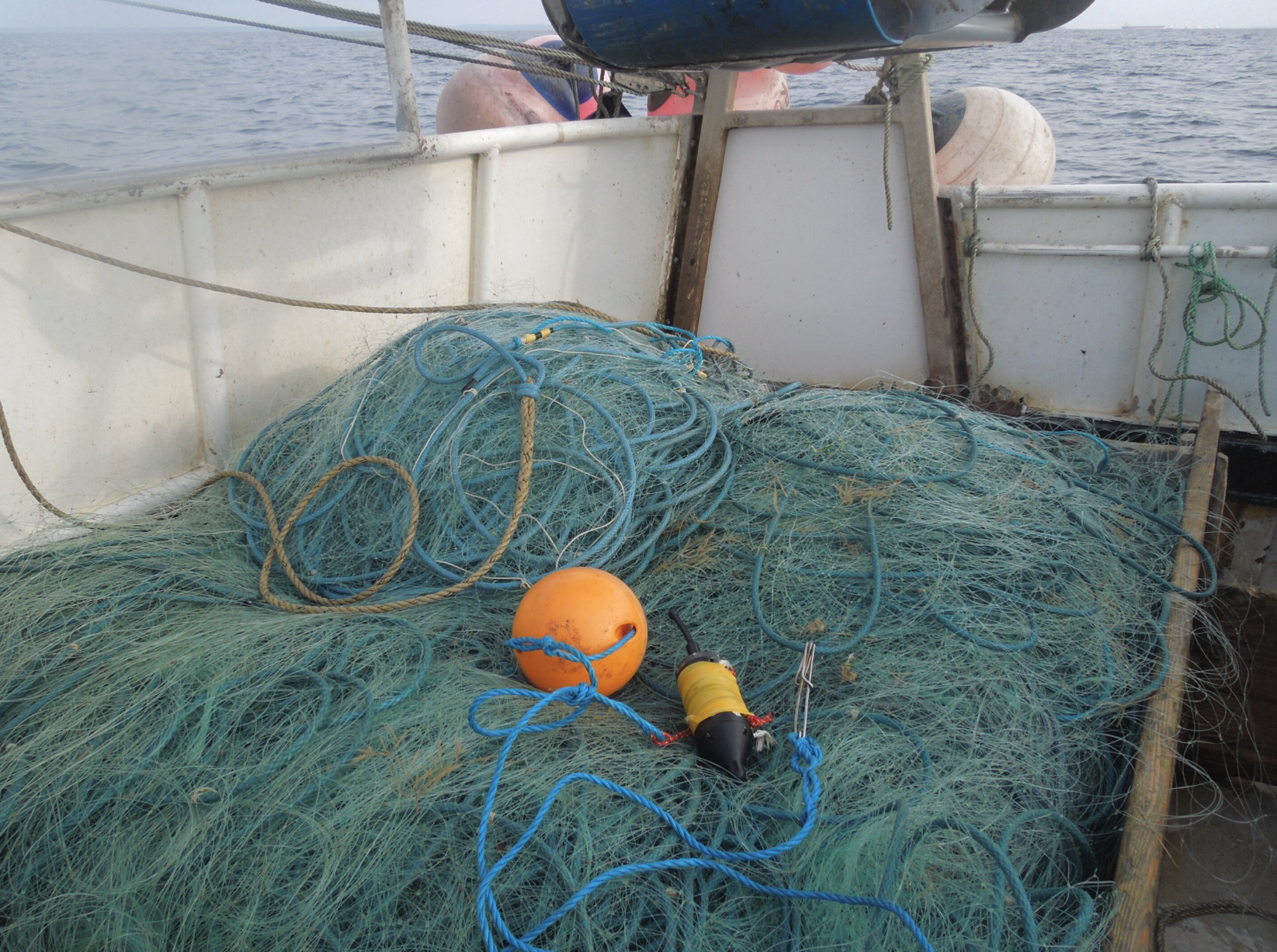
Researchers from the Sea Mammal Research Unit and Scottish Oceans Institute at St Andrews discovered they had inadvertently recorded the bycatch incident while using a SoundTrap device on a static net to monitor how many dolphins and porpoises were in the surrounding area. Their findings were published in Royal Society Open Science today.
Lead author Dr Jamie Macaulay, senior research fellow at the School of Biology and Scottish Oceans Institute, said: “Observing an event in such detail obviously brings home the harsh realities of the bycatch problem, but this is a problem that the fishing industry and conservationists all want to solve.”
Some solutions involve changing fishing practices entirely whereas others integrate the use of acoustic deterrents, like adding acoustic deterrents which, according to a WWF report, can lower porpoise capture rates by up to 80% to 100%.
Dr Macaulay recognised that static nets are an important part of the fishing industry, and this unintentional recording will improve scientific understanding of why bycatch happens, and importantly inform evidence-based solutions to reduce it.
Click here for more from the Oceanographic Newsroom


"*" indicates required fields
Printed editions
Current issue
Back issues



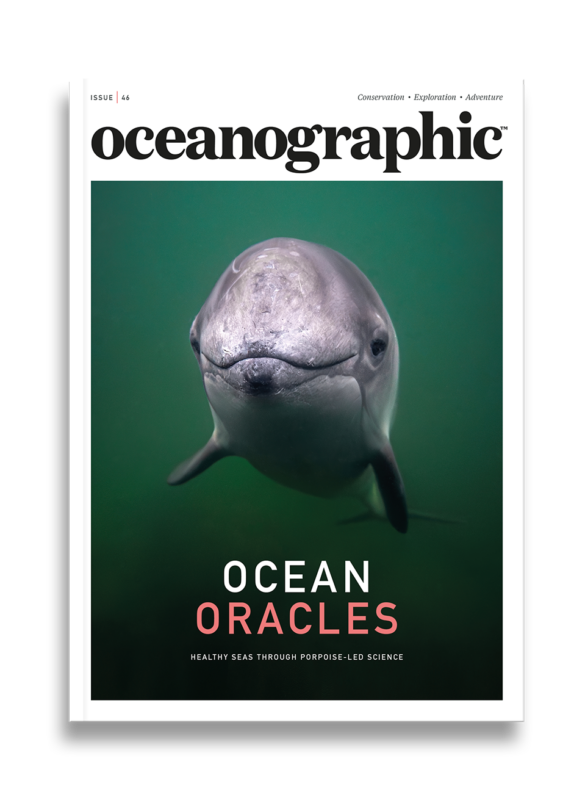
Enjoy so much more from Oceanographic Magazine by becoming a subscriber.
A range of subscription options are available.
