Namibia greenlights controversial deep-sea phosphate mine project
The company Namibian Marine Phosphate has secured initial environmental clearance for the offshore Sandpiper Project, it would be the world’s first commercial deep-sea phosphate mine
Namibia has issued a key environmental clearance certificate for a marine phosphate mining operation, triggering pushback from scientists and the nation’s fishing industry over potential ecological impact.
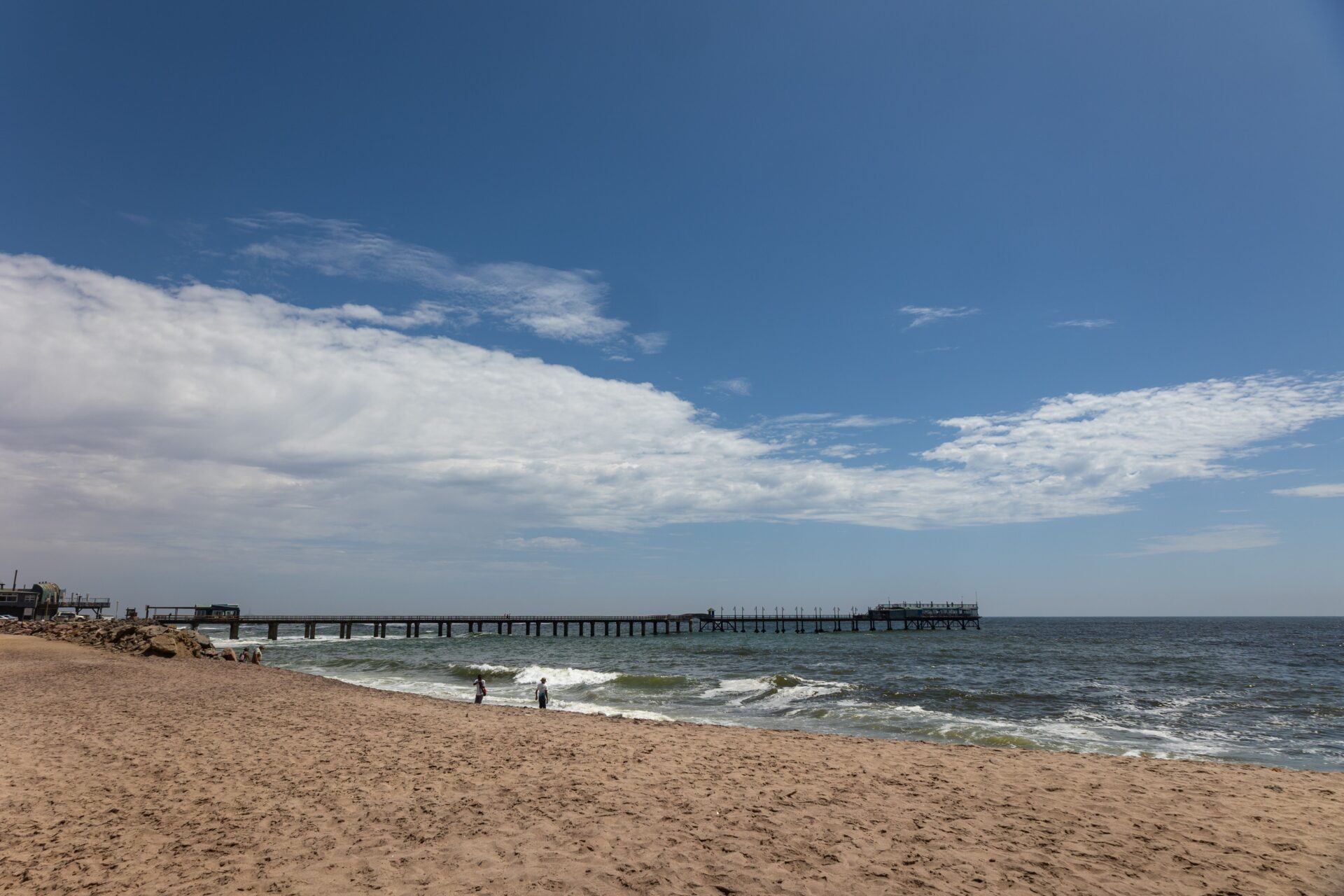
The decision clears a path for Namibian Marine Phosphate (NMP) to advance their Sandpiper Project. Located approximately 75 miles, 120 kilometres, off the coast of Walvis Bay, the project would dredge the seafloor to produce three million tonnes of phosphate concentrate over a 20-year period. Phosphate is used heavily in global fertiliser production. Scientists warn that seabed excavation carries severe environmental risks. Underwater dredging creates massive sediment plumes that can disperse heavy metals and buried toxins throughout the water column.
If NMP were able to obtain the additional necessary permitting and land-based infrastructure approvals, the site would be the world’s first commercial deep-sea phosphate mine. Proposed phosphate mines and expansion permits have been turned down across several continents due to the severe ecological impacts posed by operations. The New Zealand Environmental Protection Authority (EPA) refused marine consent for Chatham Rock Phosphate Ltd’s deepwater extraction plans, and the Mexican government rejected an environmental permit for Exploraciones Oceánicas (a subsidiary of Odyssey Marine Exploration) to dredge phosphate from the seabed of the Ulloa Gulf.
NMP is 85% owned by an Oman-based mining company. Company officials have defended the ecological impact of mining, highlighting that the total mining zone represents 0.002% of Namibia’s seabed. The company were previously granted a licence in 2011, but operations halted in 2013 due to widespread concerns about marine ecosystem impacts.
This latest update has re-ignited strong resistance, with the Confederation of Namibian Fishing Associations reportedly preparing to challenge the certificate’s validity.

In other news
“This would liberate very toxic elements from the seabed,” marine scientist Bronwen Currie told French outlet AFP, cautioning that released heavy metals could contaminate the marine food chain and jeopardise commercial fish stocks. Currie added that because phosphate is a low-value commodity, enormous amounts would need to be excavated to make the project financially viable.
Environmental specialist Peter Cunningham echoed these concerns to AFP, emphasising that sediment plumes threaten rocky shoreline habitats, crayfish spawning grounds and coastal water dynamics. Cunningham pointed to nations like New Zealand, which rejected similar offshore phosphate proposals after deeming them environmentally and financially unviable.
Local advocacy groups have also voiced alarm. Ocean Conservation Namibia called on authorities to halt the venture, telling AFP the project “threatens to turn Namibia’s marine ecosystem into an untested experimental zone” and warning against making the region “a global guinea pig.”


"*" indicates required fields
Printed editions
Current issue
Back issues


Enjoy so much more from Oceanographic Magazine by becoming a subscriber.
A range of subscription options are available.
