Protecting 30% of ocean will take until 2289 at current rate, Greenpeace warns
As delegates assemble in Armenia for UN biodiversity talks at CBD COP17, a new report argues for a network of High Seas MPAs to create migratory safe passages for vulnerable species like leatherback turtles.
Protecting 30% of the ocean will take another 265 years if governments do not accelerate their commitments toward the biodiversity target, a new Greenpeace report has found.
The finding comes as a critical UN biodiversity conference (CBD COP17) begins in Armenia, where world powers will assess progress on global biodiversity protections.
The target to protect 30% of the ocean by 2030 was adopted at COP15 in 2022. While approximately 10% of the ocean is currently protected, only roughly 3.3% is fully or highly protected, according to the Marine Conservation Institute’s MPAtlas. This means commercial fishing, seabed mining, and other destructive extraction methods can still operate across those zones.
“Progress could be made,” said Lukas Meus, Ocean Campaigner at Greenpeace International, “in creating new MPAs in the High Seas, beyond the jurisdiction of national borders.“
“If they don’t, there might not be any animals left to protect,” Meus added.
Leatherback turtles, for instance, are one of the most threatened marine vertebrates on the planet and are classified as vulnerable on the IUCN Red List. Their migratory passages in the high seas are exceptionally vulnerable to industrial fishing, yet no MPAs are designated in the Atlantic High Seas.
The new report therefore identifies 17 sites that should be fully protected ocean sanctuaries under the Global Ocean Treaty. This would increase the overall area under protection and safeguard locations where migrating species face the greatest threats.

In other news
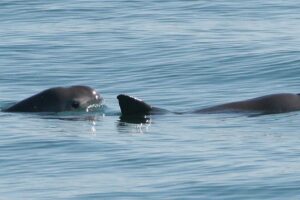
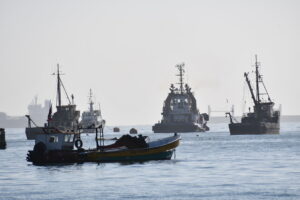
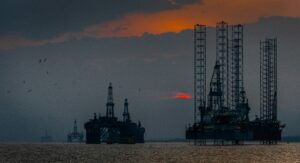

These sites include upgrading existing MPAs to full protection alongside a number of new designations. The resulting network would ensure 31% of the Atlantic High Seas are designated as marine sanctuaries.
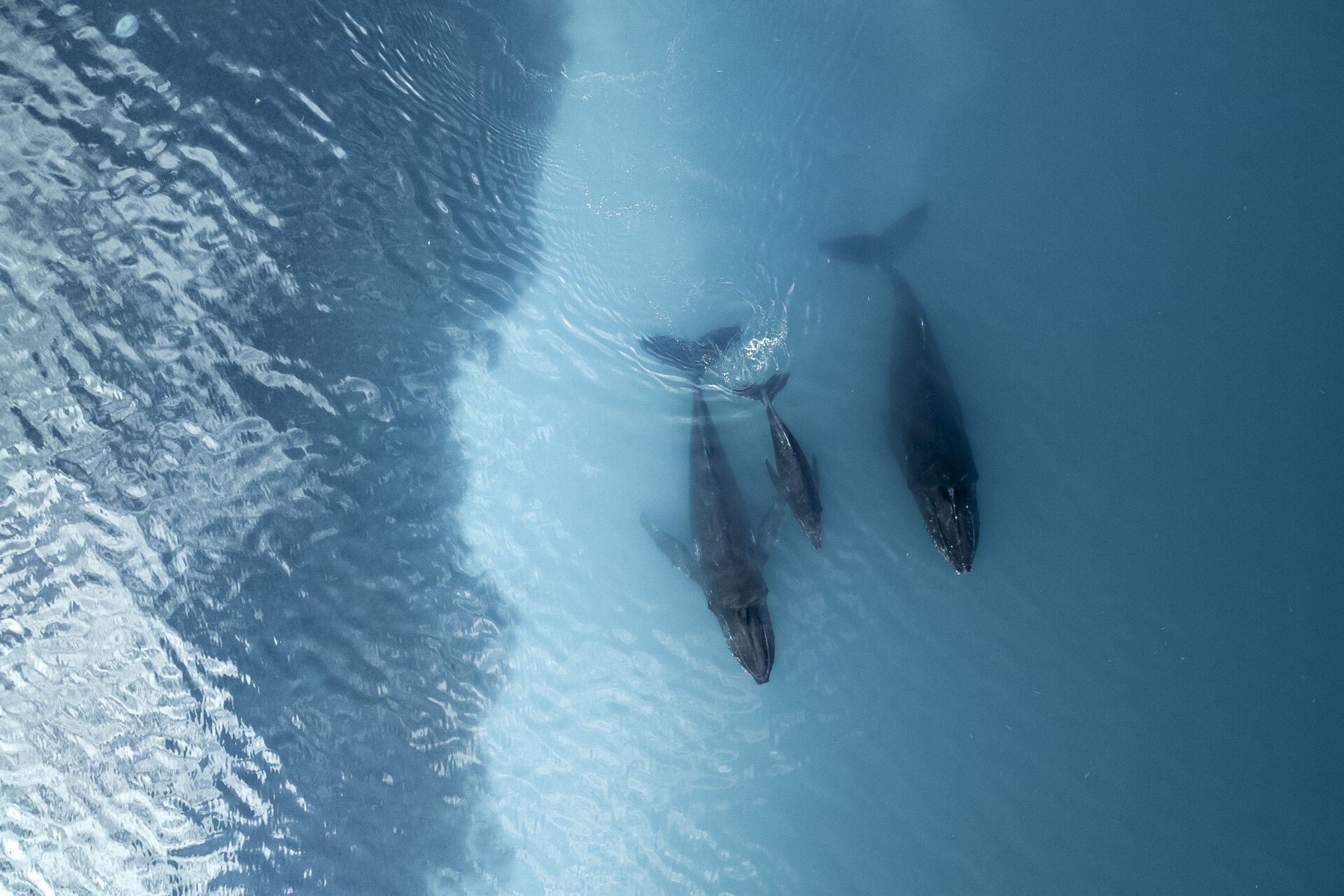
Creating protected migratory corridors would also allow humpback whales to travel safely with less threat of being struck by industrial fishing boats or cargo ships.
“Delegates meeting in Armenia need to agree on big, bold solutions to put them back on track. Our proposed network of sanctuaries is exactly the sort of solution governments urgently need to implement to have any hope of meeting biodiversity targets,” Meus said.


"*" indicates required fields
Printed editions
Current issue
Back issues
Enjoy so much more from Oceanographic Magazine by becoming a subscriber.
A range of subscription options are available.