BP oil spill continues to decimate marine life off Gulf of Mexico 16 years on
Toxins from the 134-million-gallon spill were absorbed into marine animals’ eggs – and are still weakening deep-sea offspring today.
The number of marine animals plummeted by about 60% in the years following the 2010 Deepwater Horizon explosion, a new study has found.
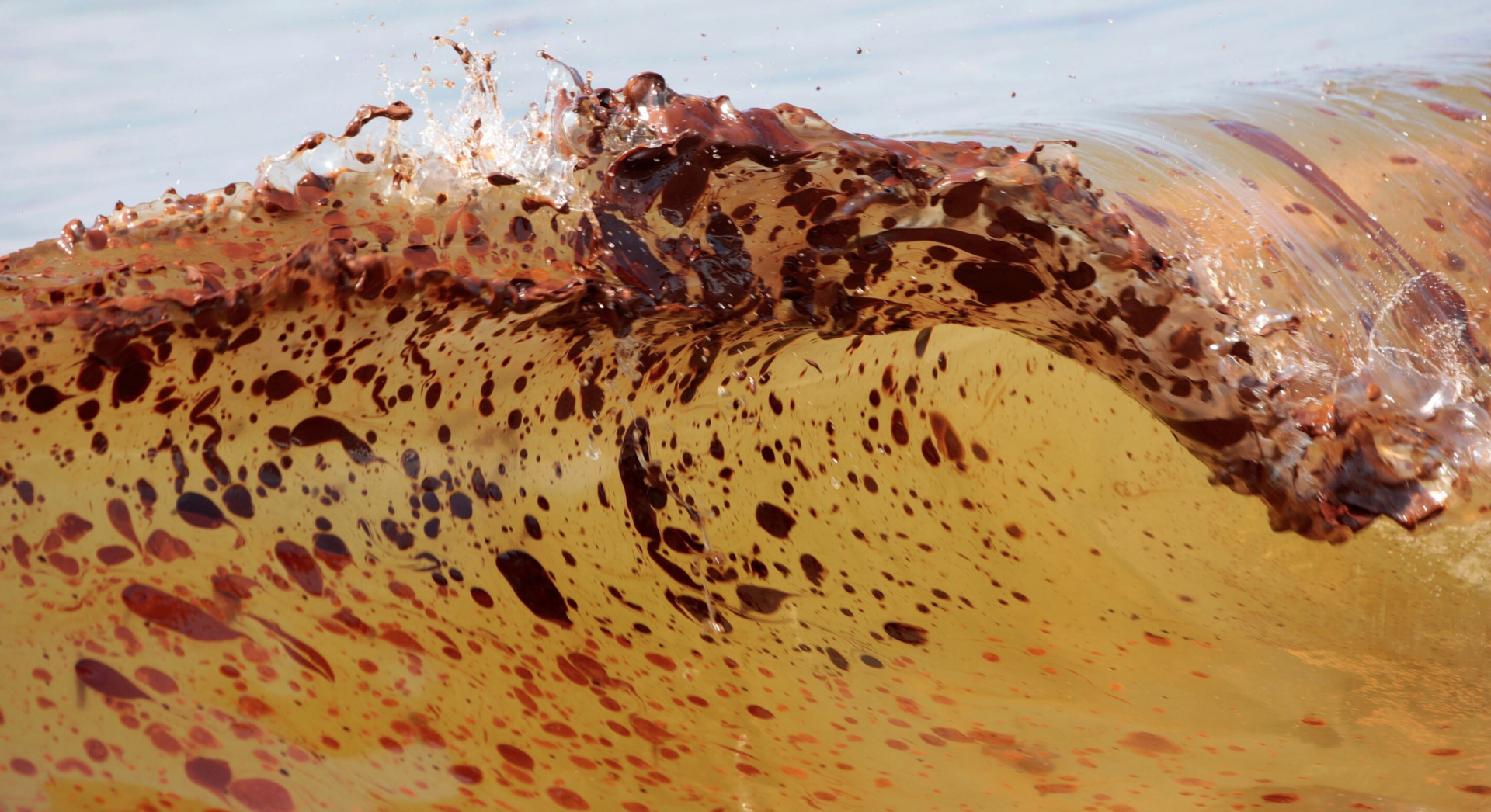
In 2010, a BP-operated oil well failed, dumping 134 million gallons of oil into the Gulf of Mexico.
Between 2011 and 2015, the research found that the number of fish dropped by 63.5% between 2011 and 2015, crustaceans like shrimp and krill – key food for whales – dropped by 62%, and larger animals like squid and octopuses fell by 59.7%.
The findings, published in the journal PNAS, concluded that these populations are not close to recovering fully.
Researchers focused on the ocean’s “twilight zone” – the layer between the deep ocean and surface waters where a huge range of marine life, including whales and dolphins, feeds on smaller creatures.
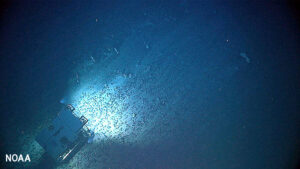
Prior to the 2010 disaster, little was known about this ecosystem. Researchers surveyed the area post-spill using six sets of nets at varying depths, along with acoustic sonar, to assess sea life between the surface and 5,000 feet deep.
Three and a half years later, returning to the identical location with the same equipment, scientists discovered that marine life had dropped to between one-third and one-quarter of its 2011 levels.
“We saw this big decline,” said study lead author Tracey Sutton, a biological oceanographer at Nova Southeastern University. “The question was then why? So we looked at all of the natural variables we thought could account for it, namely temperature, oxygen supply, and food. None of those vary with the decline. The event that did was the oil spill. So we think that’s the most likely cause.”
The spill, which killed 11 workers, also caused a huge swathe of marine life to die instantly and over the following five months as nearby waters were continuously exposed to leaking oil and gas.
The impact, however, was generational. Researchers who continued to sample the area through 2023 found that populations have struggled to recover. A slight rise in 2022 and 2023 was neither statistically significant nor lasting, Sutton said.
Oil and gas pollutants were absorbed into the eggs of survivors, leaving subsequent offspring increasingly weak, Sutton explained.
Krill populations dropped by 72%, while lanternfish numbers fell to a third of their former levels. The deep-sea dragonfish – distinguished by sharp teeth, light organs, and a head lure – also suffered major losses.
“These are foundational species,” Sutton said. “They’re the things most things eat. So it’s no wonder that we had wholesale changes across the community.”

In other news
BP spokesperson Paul Takahashi said the accident “forever changed” the company, adding: “We have made many changes intended to help prevent an event like this from ever happening again.”
The crude oil and chemical dispersants used in the cleanup harmed marine life in two distinct ways: crude oil posed a direct toxic threat, while chemical dispersants broke the oil into tiny droplets, driving it deeper into the water column and increasing exposure for mid-water organisms.
Rita Colwell, an environmental microbiologist at the University of Maryland who led a 10-year, $500 million BP-funded research program, noted that future cleanup efforts should avoid synthetic chemical dispersants in favor of agents that promote oil-degrading microbes.
One unexpected upshot of the study was how vividly it illustrated the connection between the ocean’s depth layers.
“One of our biggest findings is how connected the whole oceanic Gulf is from top to bottom because the animals move up and down,” Sutton said. “There are predators at the top that dive deep, and lots of species in the deep that ascend at night. The system operates as one very large pulsing ecosystem, rather than the isolated, layered system people previously assumed.”


"*" indicates required fields
Printed editions
Current issue
Back issues
Enjoy so much more from Oceanographic Magazine by becoming a subscriber.
A range of subscription options are available.