Research uncovers secrets of Antarctica’s underwater tsunamis
An international team of researchers, led by British Antarctic Survey (BAS), is setting out to discover how glacier calving around Antarctica can trigger powerful underwater tsunamis.
An international team of researchers is setting out to discover how glacier carving around Antarctica can trigger powerful underwater tsunamis, a natural ocean phenomena that can produce powerful bursts of ocean mixing, an essential part in the process of heat distribution across the ocean.
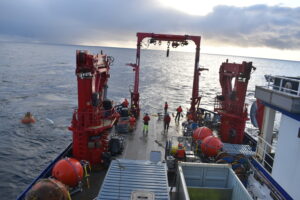
The team – led by British Antarctic Survey (BAS) – are both stationed at the Antarctic’s Rothera Research Station and on the UK’s polar research ship RRS Sir David Attenborough to learn more about the newly discovered phenomenon.
When icebergs break off glacier fronts and fall into the ocean, in a process known as calving, they create powerful underwater tsunamis. These hidden waves can be several metres in height, and they cause powerful bursts of ocean mixing – where different layers of water get churned up together.
This is a process which essentially distributes heat, oxygen and nutrients to different depths.
The phenomenon is critical for marine life and climate regulation in the region. However, researchers are also concerned increased ocean mixing could draw more water up from deeper parts of the ocean, speeding up the melting of the Antarctic Ice Sheet.
It can also change how nutrients are distributed in the ocean, which would affect the growth of phytoplankton, with consequences for the rest of the ocean food chain.

In other news
Researchers first observed the phenomenon by chance when researchers aboard BAS’ previous research ship, RRS James Clark Ross, were collecting data on ocean calving.
Now researchers want to build a clearer picture of how these underwater tsunamis work and, importantly, what impact the warming climate could have on their frequency and impact.
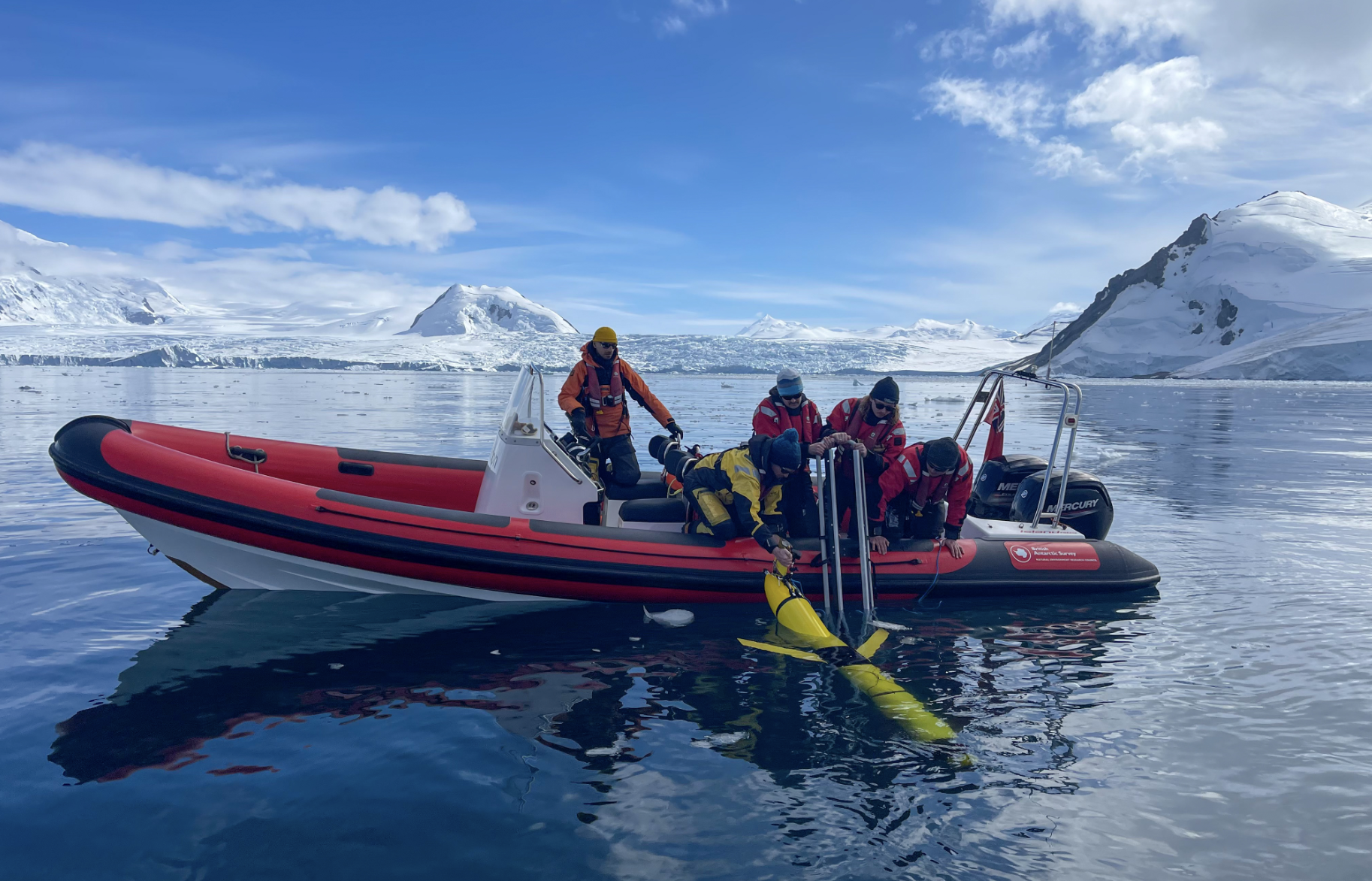
The team will use remote cameras and underwater microphones to keep a look out for the event. Underwater unmanned vehicles, moored instruments and regular water sample collections using small boat trips will measure generated tsunamis and the impacts they may have on the local chemistry and biology.
These techniques will allow researchers to gather data from locations too risky for the researchers to do.
Chemical oceanographer at BAS, Professor Kate Hendry, said: “Antarctica remains one of the most mysterious places on Earth, and we’re constantly discovering previously unknown processes that are shaping our planet.”
“What makes this research so important is that everything in Antarctica is connected – ice, ocean and atmosphere – and those connections reach all the way back to our doorsteps. Rising sea levels, shifting weather patterns, these are Antarctic processes playing out in our lives,” she added.


"*" indicates required fields
Printed editions
Current issue
Back issues
Enjoy so much more from Oceanographic Magazine by becoming a subscriber.
A range of subscription options are available.
