Silenced voices: The battle over Faroese whaling
Campaigners are calling for an end to Faroese whaling after a rare animal cruelty case temporarily halted the mass killing of dolphins and whales. Activists highlight the hunts’ unnecessary suffering and push for local and international pressure to spark change.

Campaigners seeking to end the Faroe Islands’ grindadráp say the mass killing of dolphins and whales is facing renewed local scrutiny, after a rare animal cruelty case temporarily halted the hunts.
According to Valentina Crast, a Danish animal rights activist who has worked for more than a decade on ending the Faroese grind – in which large numbers of pilot whales and white-sided dolphins are slaughtered – says the case represents a rare moment of momentum in a campaign long marked by political sensitivity, local intimidation, and international misunderstanding.
“This kind of legal action has never happened before,” Crast said. “It was unexpected – and it has opened a conversation that the Faroese society has for too long struggled to have publicly.”
Each year, an average of around 1,000 pilot whales and dolphins are killed in the Faroe Islands, an autonomous territory within the Kingdom of Denmark. The hunts are defended locally as a cultural tradition, though critics argue they are unnecessary in a wealthy modern society with no reliance on whale meat for food security.
Despite widespread international awareness, Crast says the issue remains largely unspoken in Denmark itself, where it is a “domestic hot potato.”
“Anything Denmark says about the Faroes risks reopening old wounds tied to history, exploitation, and independence,” explained Crast. “So the topic just falls between the cracks.”
While international pressure has often focused on condemning the hunts, Crast argues the most significant barrier to change lies within the Faroe Islands themselves, where public opposition is frequently suppressed.
“There are Faroese people who are against the grind – many of them. But it’s not safe for them to speak,” she said, describing cases of harassment, bullying, and intimidation directed at critics, including activists forced to leave the islands, sabotage attempt made upon outspoken politicians, and doxxing campaigns targeting individuals accused of opposing whaling.
“In a small island society, that kind of pressure is incredibly effective,” said Crast. “Most people decide it’s not worth the risk.”
As a result, Sea Shepherd, with whom Crast works as Campaign Director for the Faroe Islands and a particular focus on the grind, continues to keep the issue in the public eye, despite believing the movement must ultimately be led by Faroese voices.
“For as long as they are not allowed to have a democratic conversation themselves, we’ll keep the conversation alive,” Crast said.
In other news

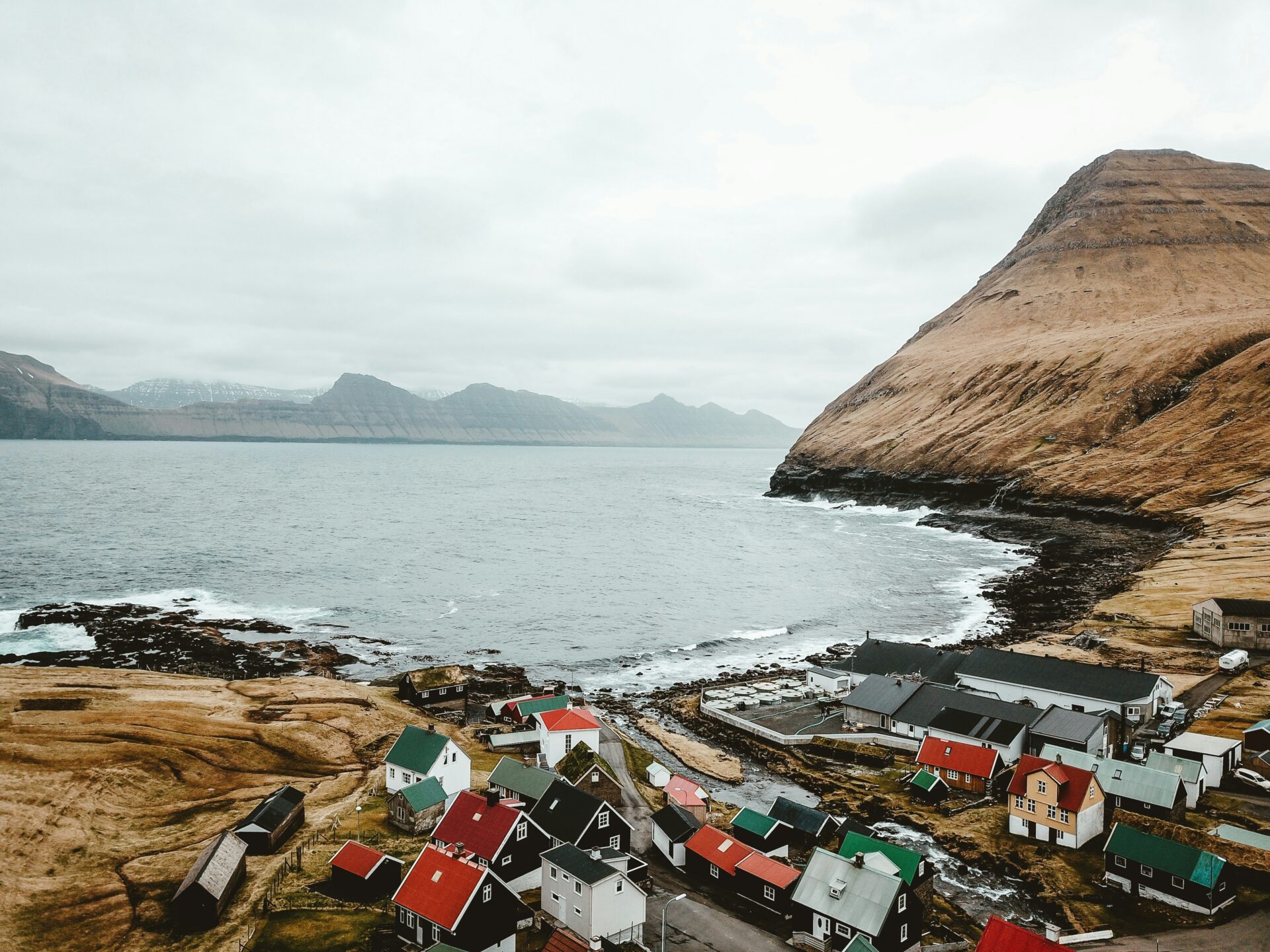
The current pause in whaling stems from a police report filed after a 2023 hunt that campaigners describe as exceptionally cruel.
According to Crast, a large pod of pilot whales was held in a fjord for six hours while hunters attended a nearby festival. When the killing began, several whales were slaughtered before the hunt was abruptly abandoned, leaving around 90 surviving animals trapped in shallow waters for 27 hours.
“These animals are highly intelligent, highly social,” she said. “Imagine watching your entire family being killed in front of you, then being left traumatised and disoriented.”
The incident allegedly violated Faroese grind law, prompting authorities to charge several men with animal cruelty – a move that has triggered debate over whether whales should be protected under animal welfare legislation.
In response, whalers have suspended hunts in the North Atlantic until legal clarity is provided, a move Crast describes as “a win – but one done in spite.”


"*" indicates required fields
Printed editions
Current issue
Back issues
Back Issues
Issue 43 Sir David Attenborough’s ‘Ocean’
Enjoy so much more from Oceanographic Magazine by becoming a subscriber.
A range of subscription options are available.
