Sweden to ban bottom trawling in marine protected areas
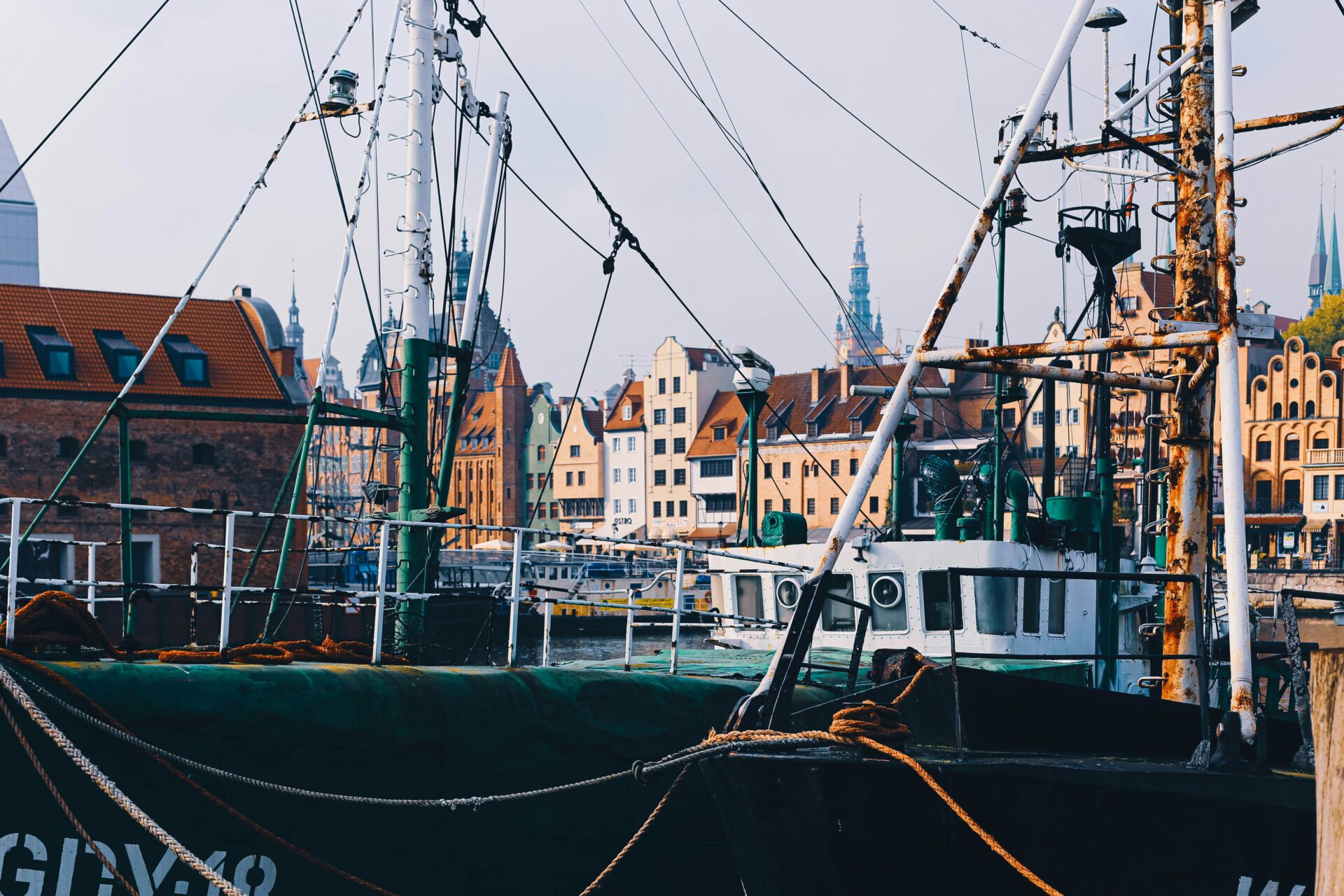
An amendment to its Fisheries Ordinance, the general ban in marine protected areas within the trawl limit will come into force on July 1st, 2026, covering its national marine parks, nature reserves, biotope protection areas and Natura 2000 areas.

Sweden is to implement a general ban on bottom trawling in its marine protected areas, a move it hopes signifies an important step “towards long-term sustainable fishing for generations to come.”
Having introduced the amendments to its Fisheries Ordinance, the general ban on bottom trawling in marine protected areas within the trawl limit will come into force on July 1st, 2026. The ban will cover Sweden’s national marine parks, nature reserves, biotope protection areas and Natura 2000 areas.
The ban will apply in those areas of the sea where only Swedish vessels are allowed to fish, meaning it will apply within the country’s trawl limit. Nevertheless, the move is being hailed by the Swedish government as a ‘strong measure’ towards making its seas healthier.
“Protection of sensitive seas is important to the government, and bottom trawling can affect the marine environment in several ways,” said Sweden’s Minister of Rural Affairs, Peter Kullgren.
The effect of bottom-trawling on seabed habitats was exposed to the general public for the first time in the recent cinematic release, Ocean with David Attenborough – a feature length documentary on the vital need to protect the ocean from human impact to have the best chance of restoring balance and tackling a runaway changing climate.
For the first time on natural history storytelling, audiences were shown footage of the impact of bottom-trawling – the destructive fishing practice by which fishing gear is dragged along the bottom of the seabed, churning up sediment to release stored carbon, while indiscriminately scooping up the marine life living there.
“Strong measures are needed to make our seas healthier. With a general ban on bottom trawling in marine protected areas, Sweden is showing leadership in the EU and internationally. It is an important step towards long-term sustainable fishing for generations to come,” said EU Minister, Jessica Rosencratz.
In other news
Banning bottom-trawl fishing from marine protected areas has been the focus of the Blue Marine Foundation campaign, the Bottom Line since the release of the film Ocean with David Attenborough in May this year. With public momentum behind it, the messaging of the campaign was delivered in force at the United Nations Ocean Conference in Nice, France this June where the UK government announced that it will ban bottom trawling from 41 marine protected areas in English waters.
The move is now in its consultation phase where it awaits to be passed into law and implemented later this year. The announcement was joined by that of host nation, France who declared it would place a limit on bottom trawling in its MPAs with little detail offered on the extent of the ban or the possible exemptions it will offer.
In Sweden, the Swedish Marine and Water Management Authority will be allowed to issue regulations on exemptions from the ban. The authority will be able to decide on exemptions from the ban in individual cases but may only be made if there are scientific or other special reasons for it.
Sweden’s climate and environment minister, Romina Pourmokhtari, said: “Vibrant seas are valuable seas. This improvement in the conditions for marine protected areas is crucial to ensure future generations can also experience a healthy marine environment where they can still get a bit when fishing.”


"*" indicates required fields
Printed editions
Current issue
Back issues
Back Issues
Issue 43 Sir David Attenborough’s ‘Ocean’


Back Issues
Issue 41 Holdfast to the canopy
Enjoy so much more from Oceanographic Magazine by becoming a subscriber.
A range of subscription options are available.
